


The first half of the 20th century was a period of vibrant musical innovation in Great Britain. New genres were emerging, and the public eagerly followed the popular musicians and performers of the day. British musical tastes were shaped not only by the dynamic global scene but also by the profound impact of war and the subsequent social shifts. For many, music became more than just entertainment; it influenced individual perspectives, public consciousness, and the national mood. We invite you to learn about a celebrated composer from Birmingham whose name is firmly etched into the history of British music. Find out more at birmingham-trend.
Biographical Facts
Albert Ketèlbey was born in Birmingham in 1875. While his father was a jeweller, all five of his children pursued music. Each child chose an instrument, and Albert selected the piano. From a very young age, he showed a keen interest not just in playing but in composing his own pieces.
At the age of 11, he enrolled at the Birmingham School of Music, now known as the Royal Birmingham Conservatoire. His studies there helped him discover his true calling. He realised that, in addition to the piano, he wanted to explore singing and master the art of conducting, among other skills.
The Royal Birmingham Conservatoire was founded in 1886, and within its first few decades, many of its graduates went on to become popular musicians. Albert Ketèlbey was one of them. During his time at the school, he was invited to perform in concerts in London and other cities. After graduating, he continued his education at a college in London.
Albert Ketèlbey is remembered as an outstanding composer who was also a conductor, an instrumentalist, and was involved in various other creative pursuits. He also had a significant connection to the world of cinema. From the late 19th century, when Ketèlbey began his career, until the 1920s, silent films were prevalent in England. The Birmingham composer began writing light, evocative music that was perfectly suited to accompany these films.
The Start of His Musical Career
At 21, after completing his studies, Ketèlbey took a job as a conductor for an opera company. A few years later, he was offered the position of director at a popular London theatre. Despite his youth and lack of experience, Albert Ketèlbey accepted the offer and proved to be a successful leader.
Alongside his main job, the Birmingham native dedicated his time to writing his own works, both vocal and instrumental. It was during this period that his music became popular with silent film creators, making his name widely recognised. Ketèlbey also composed music for an opera. Leading British music publishers, such as A. Hammond & Co and Chappell & Co, offered him work. The composer accepted these commissions but never stopped writing his own compositions, which included organ music, piano works, songs, and plays. Thanks to his diligence and perseverance, by the early 20th century, his music could be heard in numerous theatres and cinemas.
Fame and Achievements
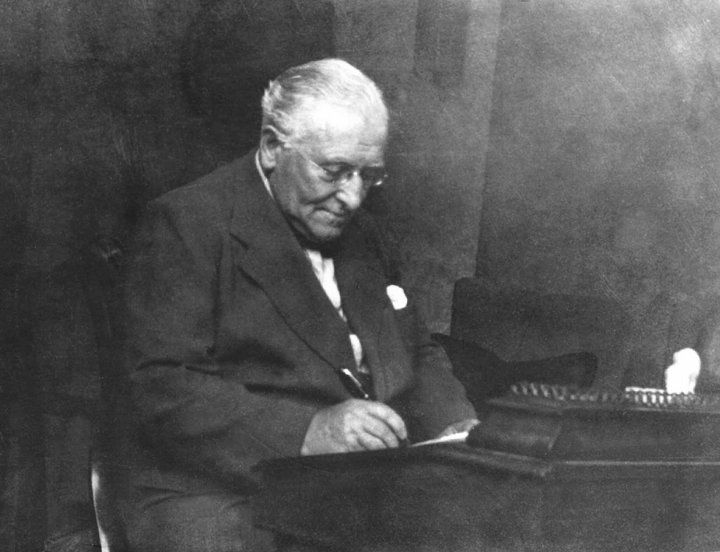
One of Ketèlbey’s most notable achievements was winning several competitions. One such contest was launched by the Dutch composer of the world-famous piece “The Broken Melody,” who was searching for a talented musician to complement his composition. Albert Ketèlbey managed to win over the renowned composer and, subsequently, audiences worldwide. The Birmingham musician also secured several victories in competitions run by the British newspaper “The Evening News.” These wins brought him not only cash prizes but also public fame and recognition.
In 1915, Albert Ketèlbey released “In a Monastery Garden,” a musical piece entirely of his own creation. This piano work became famous among classical music enthusiasts across the globe. Within five years, over a million copies of the sheet music were sold in various countries.
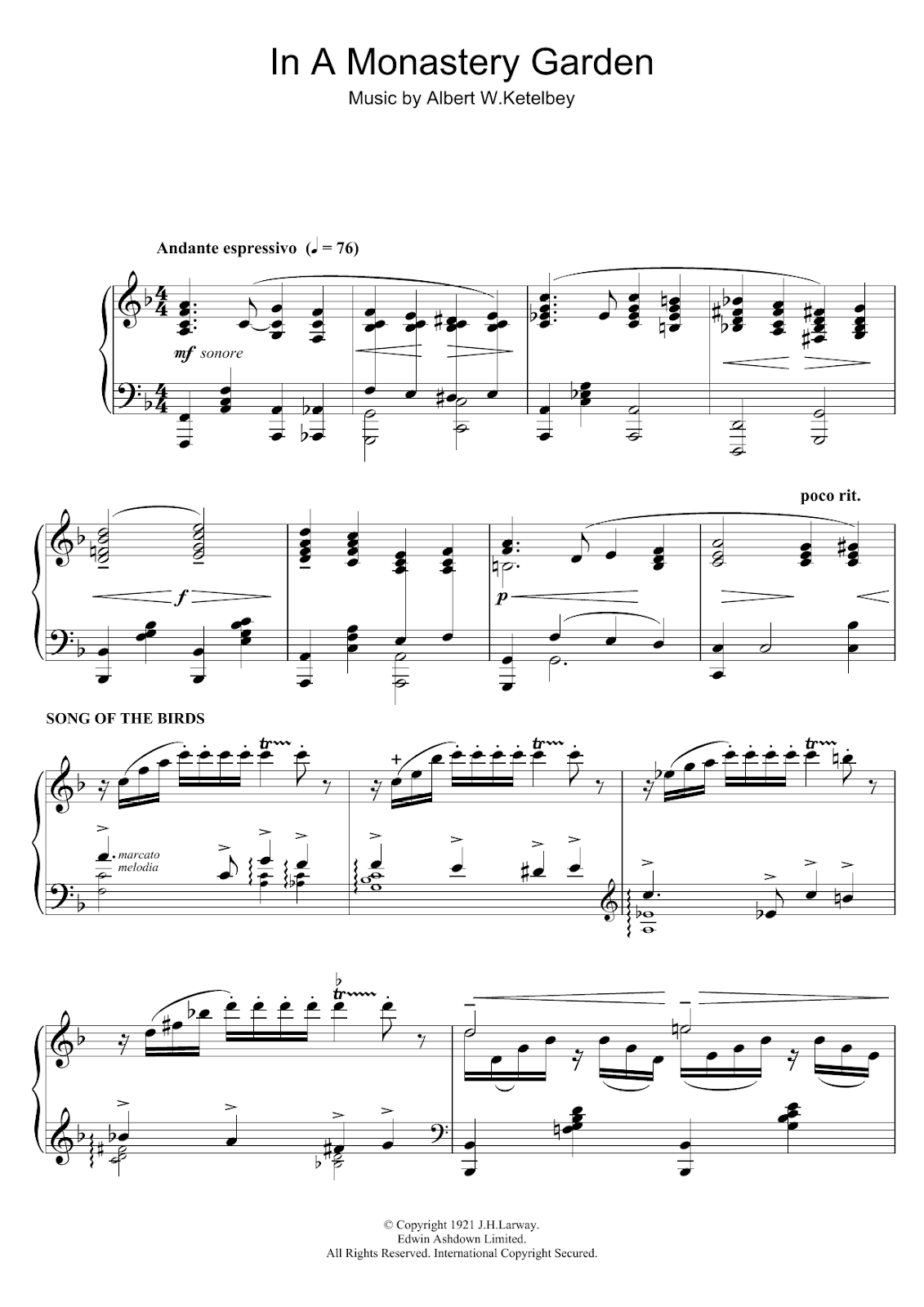
From 1915 onwards, Albert Ketèlbey composed dozens more pieces. During those years, the British composer’s name was well-known to music lovers in many countries, and each new work was met with great enthusiasm. Ketèlbey’s compositions could be heard in restaurants, cinemas, and other venues in major cities across Great Britain.
The composer’s popularity began to wane in the 1930s with the arrival of “talkies,” which replaced silent films. He continued to release new compositions, but sales of his sheet music declined. Nevertheless, Albert Ketèlbey did not stop working. Every year, he toured coastal towns, with his concerts always featuring a mix of the iconic pieces that had brought him fame and his newer works. Even during the Second World War, his tours continued, albeit on a more limited scale.
Albert Ketèlbey passed away at the age of 84. In the world of classical music, the name of this Birmingham-born composer remains recognised to this day.