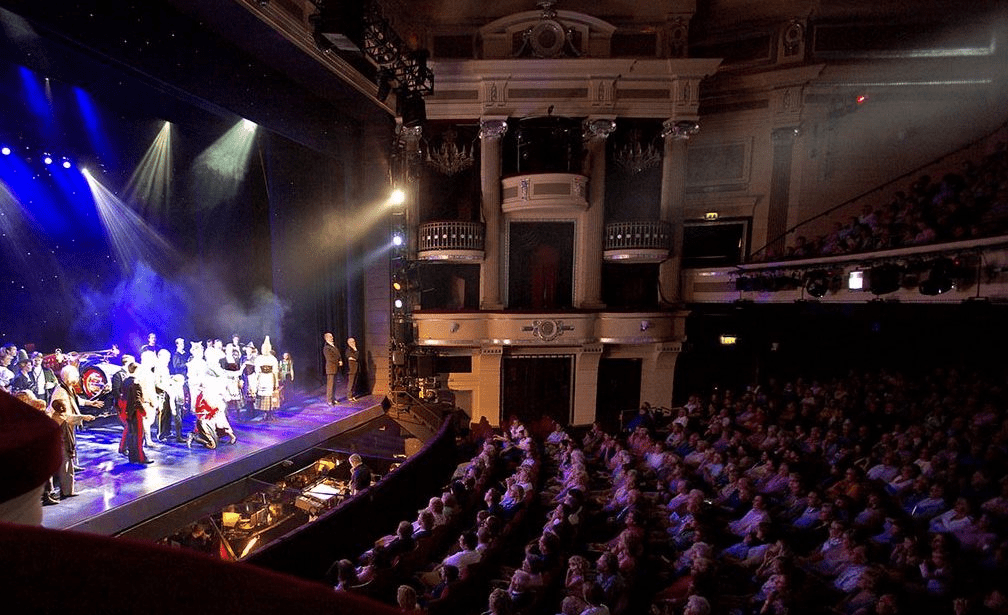
Theatre has been a traditional form of art for thousands of years. Watching performances, we join the culture, develop intelligence, learn to control our emotions and be ourselves. Visiting theatres, we switch from our usual routine environment to a spiritually elevated world of beauty, goodness and justice. The actors and the audience experience various feelings, from hatred to love, and thus join the events unfolding on the stage. Learn more at birmingham-trend.
The exterior and interior of a venue are important for theatrical performances. Over time, the building of the Birmingham Hippodrome has been globally changed four times, while the interior decoration has been renewed almost every decade. The goal of those renovations was to improve and expand the space so that it could host more art fans and present grand shows.
The name of the Hippodrome theatre is related to the ancient Roman tradition of holding spectacles, such as sports competitions and public entertainment events, in arenas. In the modern world, Hippodrome theatres usually have a large stage and are designed for a significant number of spectators. They are ideal for opera and ballet performances, as well as musicals and dramatic productions. A special feature of the Birmingham Hippodrome is the pantomime performances. Usually, they are shown in less grandiose places.
The Birmingham Hippodrome Theatre was opened in 1899. It has been attracting audiences for over a century. Throughout its history, tickets to its show could be purchased only in advance.
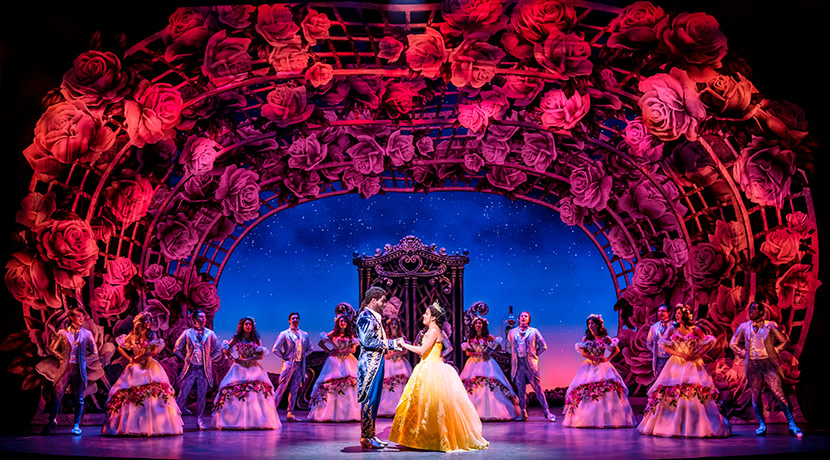
THE ONION-SHAPED TOWER, CIRCUS SHOWS AND MUSIC HALL
At the end of the 19th century, brothers Henry and James Draysey decided to open an arena for spectacles. They commissioned the Birmingham architect F.W. Lloyd to manage the project. That was how the Tower of Varieties and Circus with the onion-shaped top appeared. The tower was lit up in the evening, which greatly attracted the attention of the city’s residents. Despite the fact that the theatre was located in the city, on Hurst Street, people should go through a passage more than 30 metres long to get to the premises. The inside arena could be filled with water, as the floor was covered with a special coating instead of ordinary sawdust.
The theatre’s first performance was made by Alfred Clark, a famous juggler at the beginning of the 20th century. His shows always amazed the audience. Another popular performance was the circus spectacle of crocodile wrestling. Some categories of visitors liked to tickle their nerves and thus it started to bring in profits. In addition to animal entertainment, the place held concerts and theatrical performances.
As time passed, the needs of the audience also changed. In 1900, the theatre was bought by impresario Thomas Barrasford, who owned a number of successful theatres, including those in Leeds. He called it the Tivoli Theatre. The interior was completely renovated and the circus arena was turned into a music hall. The seats were upholstered in crimson fabric, while the walls and ceiling were coloured with golden paint. In 1903, the theatre was named the Birmingham Hippodrome and became the first music hall in the city. It is worth noting that a music hall was a purely British type of theatrical entertainment, which was a result of the bar culture development. It held concerts of popular singers, comedian performances, operas, ballet and many more. The theatre showed two plays every evening. After the invention of the cinema, the first screenings in the city took place at the Birmingham Hippodrome.
NEW OWNERS, POP STARS, ICE SHOW AND THE FIRST MUSICAL
During 1910-1919, the management and interior of the theatre changed again.
In 1924, it was sold to Moss Empires, which owned 27 theatres in different cities. First of all, the theatre was overhauled for £40,000. The territory of the theatre was expanded, as the new owner bought the adjacent premises and made them part of the Birmingham Hippodrome. In addition, the venue acquired new stages for balls, showing movies and big band performances. The interior of the theatre was decorated in the Art Deco style, which was very modern for that time. The premises were often rented out for private events. Thus, the Birmingham Hippodrome has become a multifunctional cultural institution.
Moss Empires spared no expense and invited the most famous performers and theatre companies. Thus, Fred Karno’s troupe, which included Charlie Chaplin, performed in the theatre in 1910. Fred Karno became famous all over the world for throwing a cream cake in the face. This humorous trick became classic and was used frequently in comedy shows and movies for decades to come. In 1926, Betty Fox entertained the audience of the Birmingham Hippodrome too. Her performances greatly influenced the development of pantomime as an art form. In 1937, the audience was presented with the first Christmas ice show, which was sold out for four weeks. In 1939, the first full-length London musical Me and My Girl was shown here. This play is about a young man who needs to quickly master the manners of a gentleman to receive an inheritance and an earldom. It brought theatrical skill to a new level and its musical compositions became hits for many years not only in England but also overseas.
THE SECOND WORLD WAR AND REVIVAL
During the Second World War, the Birmingham Hippodrome continued to entertain its visitors to keep their spirits up during troubled times. It invited the best stage and film stars. Once, people almost started a fight to get tickets to comedians Stan Laurel and Oliver Hardy. The Birmingham Hippodrome continued operation even during enemy raids, although it didn’t avoid damage. The theatre had a mission to bring people joy and give them an opportunity to distract from the terrible reality, even for a short time. The artists offered to dive into the atmosphere of jokes and romantic stories, enjoying the magic of art.
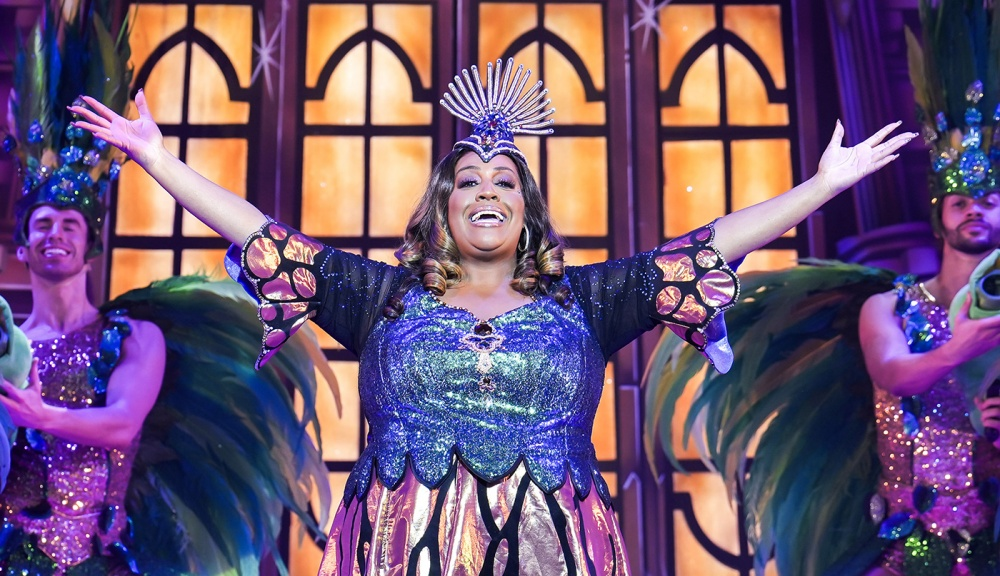
In the 1950s, significant changes took place in the theatre repertoire. Evening music hall programmes became irrelevant, instead, new musicals, performances by rock and roll stars, pop music and pantomimes gained popularity. During the decade, Birmingham Hippodrome’s most popular performances were the musical Carousel, the pantomime Jack and the Beanstalk and performances by Frank Sinatra. In 1956, the jazz concerts of the British performer Tony Crombie were sold out here too.
THEATRICAL EVENTS OF THE SECOND HALF OF THE 20TH CENTURY
In 1963, the front facade was completely renovated, new ticket offices and a bar were built and the Moorish-style onion-shaped tower, which had been a symbol of the theatre for more than half a century, was demolished due to its state of disrepair. The main body of the theatre was rebuilt so much that they even wanted to change its name. However, later, owners abandoned such an idea because the Birmingham Hippodrome became an integral part of the city’s cultural history.
In order to attract a young audience, the theatre often invited singers who topped the radio and TV music charts. In 1964, Shakespeare’s Twelfth Night was staged here. It was included in the main repertoire for a long time.
In 1971, the Welsh National Opera presented its premiere, and in 1977, opened its residence in the theatre.
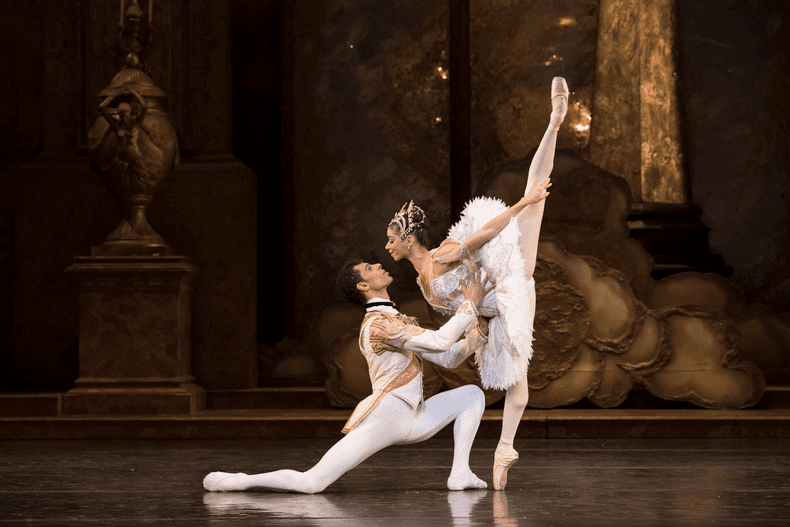
In 1979, the Birmingham Hippodrome became municipal property. Then large-scale changes in its programme, stage appearance, orchestra pit, auditorium, heating and ventilation systems began. The repertoire of the theatre was distinguished by its variety, as it hosted nudist shows and staged Wagner operas. In the 1980s, a £2 million restoration project began. The theatre has been technically upgraded to show the biggest and best world-class shows. In 1894, the building was covered with coloured fibreglass material. After the renovation, it staged the Song and Dance musical by Andrew Lloyd Webber. In the 1990s, the theatre became a centre of excellence, holding regular opera and ballet seasons intended for family audiences. Therefore, The Nutcracker ballet appeared in its Christmas repertoire in 1990.
In 1994, Andrew Lloyd Webber presented the play Joseph and the Amazing Technicolor Dreamcoat. In a few months, its sales exceeded the Birmingham Hippodrome’s annual receipts. Marking the centenary of the theatre’s founding, it hosted the Royal Variety Performance, which performed for the first time outside of London. It was personally attended by Queen Elizabeth II.
The Birmingham Hippodrome always creates an involving atmosphere for its audience. It is an important cultural centre and a place where art touches everyone.