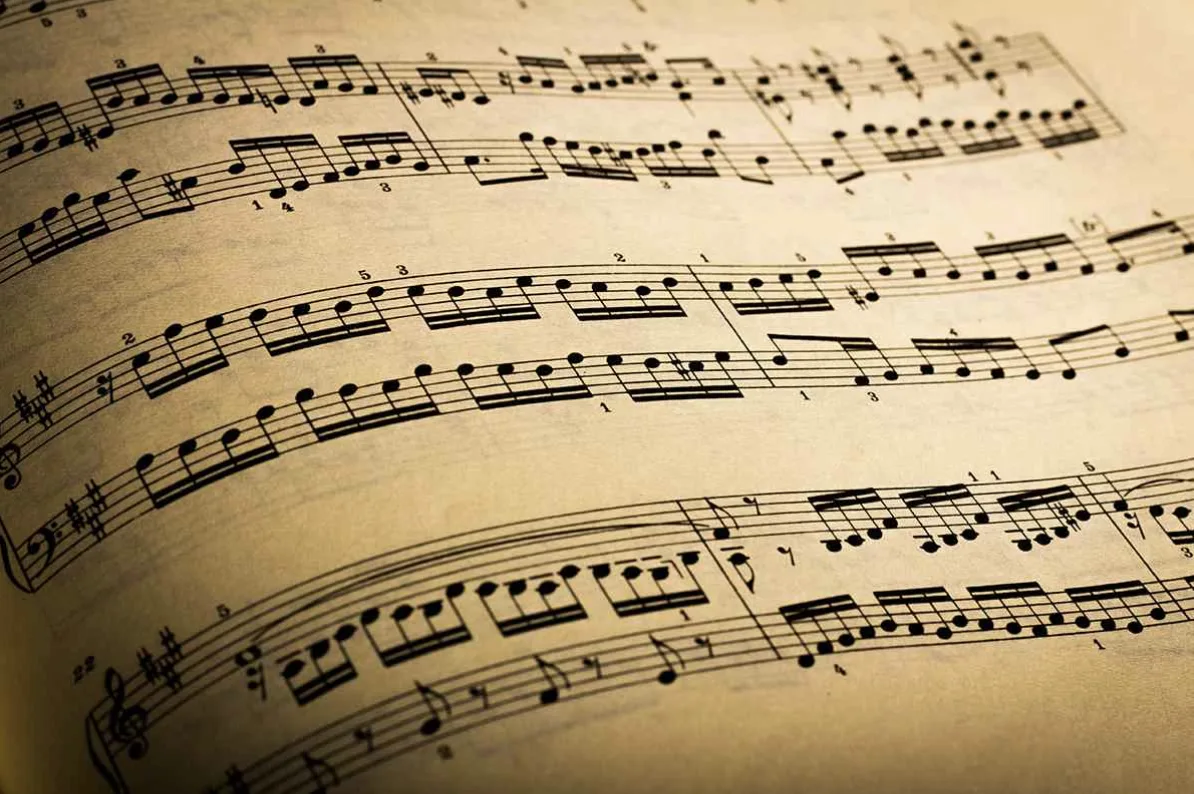
The history of music in Birmingham is both fascinating and diverse. The city's industrial past attracted residents from other regions and even other countries, making Birmingham renowned for its cultural diversity and multicultural environment. Today, it continues to draw students from all over the world and is considered a major educational hub. It also welcomes many tourists eager to explore its local culture. Learn more at birmingham-trend.
Music has always held a special place in the lives of Brummies. Thanks to its cultural diversity, the city has always been home to fans of vastly different musical genres, from classical to hard rock. Join us for a brief journey through the captivating musical history of Birmingham.
The Medieval Period
Historians identify two main musical trends that were popular in Birmingham during the Middle Ages, much like in other major British cities. The first was church music. Initially, monophonic genres, featuring a single vocal line, were common. However, towards the 15th century, new polyphonic styles emerged. A prime example of church music from this era is the antiphon—a short chant with lyrics taken from the Holy Scriptures.
The second popular musical trend in medieval Birmingham was secular or folk music. The Church's influence was so strong at the time that these songs were often criticised, yet they remained widespread among the common people. One of the most famous examples is “Sumer is icumen in.” A manuscript of this piece is preserved in the British Library, accompanied by explanatory text that has allowed historians to decipher it. This and other discoveries show that folk music was firmly embedded in the lives of medieval Brummies and was not overshadowed by church music.
The Renaissance Era
The Renaissance era spurred the development of secular arts, a trend that continued for centuries. By the 19th century, England was experiencing its own Musical Renaissance—a movement to revive and preserve national folk traditions, supported by local cultural figures. This period was home to composers and musicians who would later gain worldwide fame. One of them was Albert Ketèlbey, who became a renowned musician, conductor, and pianist. The vibrant growth of Birmingham's music scene is also linked to names such as:
- Francis Edward Bache. A Birmingham native who became a famous British composer and organist. Bache died of tuberculosis at the age of 25, but despite his short life, he left behind a valuable creative legacy of published pieces and many other works.
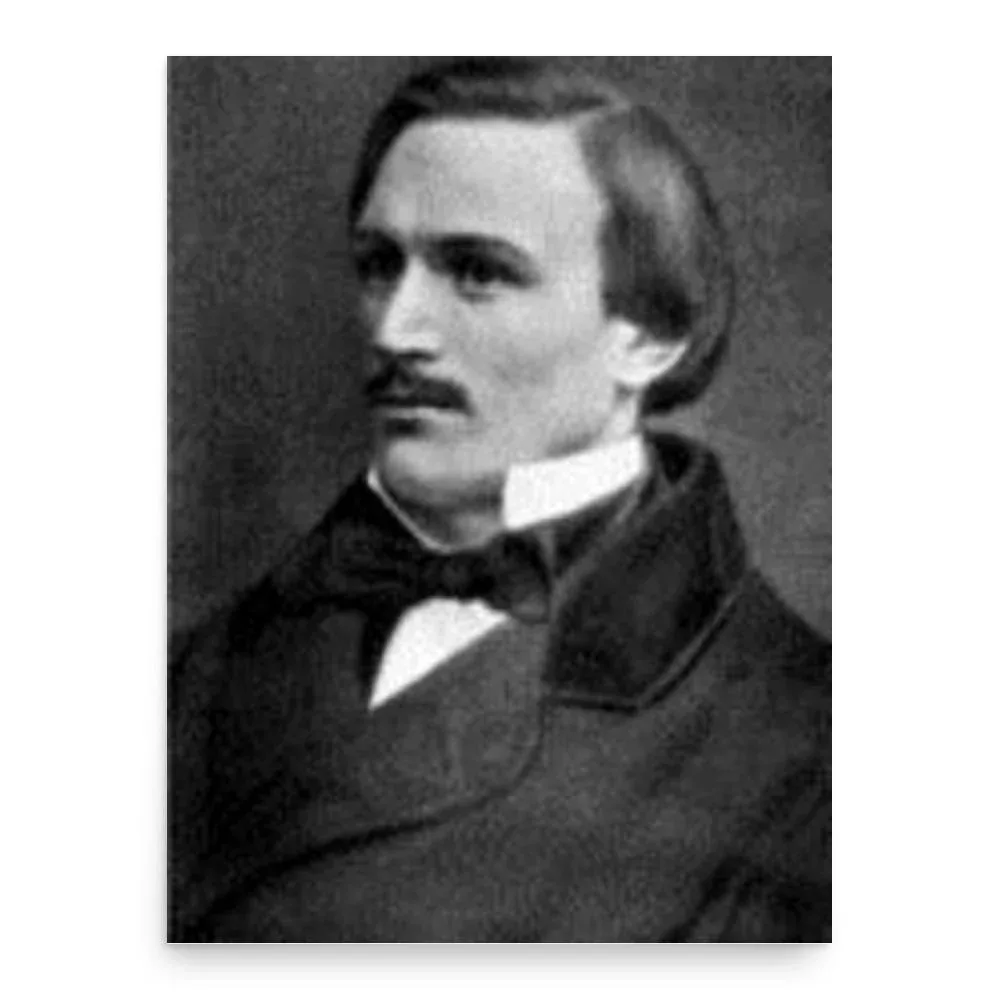
- Charles Swinnerton Heap. A popular Birmingham-based conductor and pianist who taught at the Royal College of Music. He was involved in organising and running the annual Birmingham Triennial Music Festival.
- John Joubert. A composer who lived in a suburb of Birmingham. He held a position as a music academic at the University of Birmingham, balancing his work with his composing. Joubert's entire family was also distinguished in music: his wife was a pianist, his son a violinist, and his daughter a cellist.
The work of these and other musicians in the 19th and early 20th centuries drove the development of music and the emergence of new genres.
Music in the 20th Century
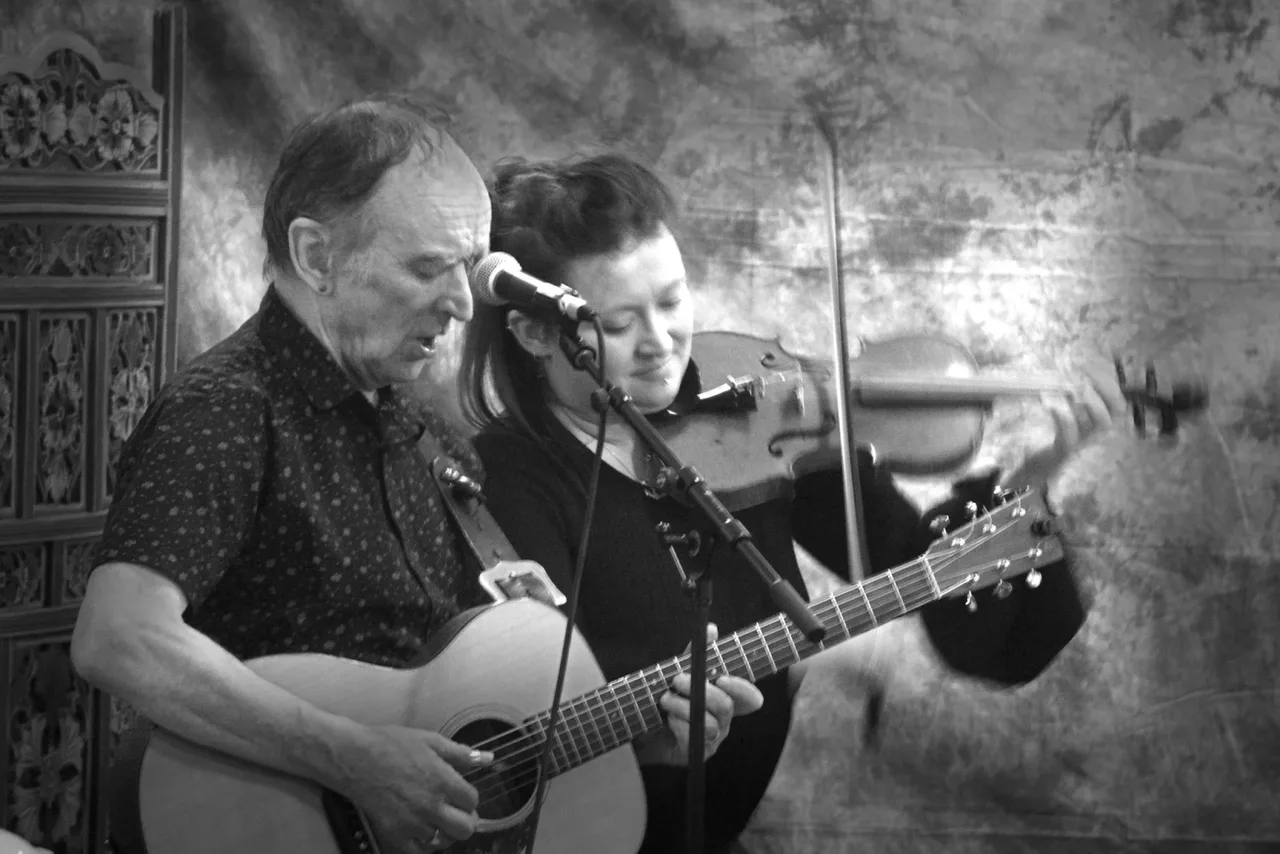
In the early 20th century, Birmingham was a large, dynamically growing city. Known as England's industrial heartland, it continued to attract workers from other countries. This mix of cultures, combined with a large youth population, created an atmosphere ripe for musical experimentation.
The 1920s heralded the Jazz Age on Birmingham's music scene. Jazz communities brought music lovers together and served as a unifying social force. Many visiting African American musicians performed in the city's pubs, clubs, and other venues, bringing with them an energetic and expressive style. Local musicians quickly adopted this new sound and delighted audiences with their own performances.
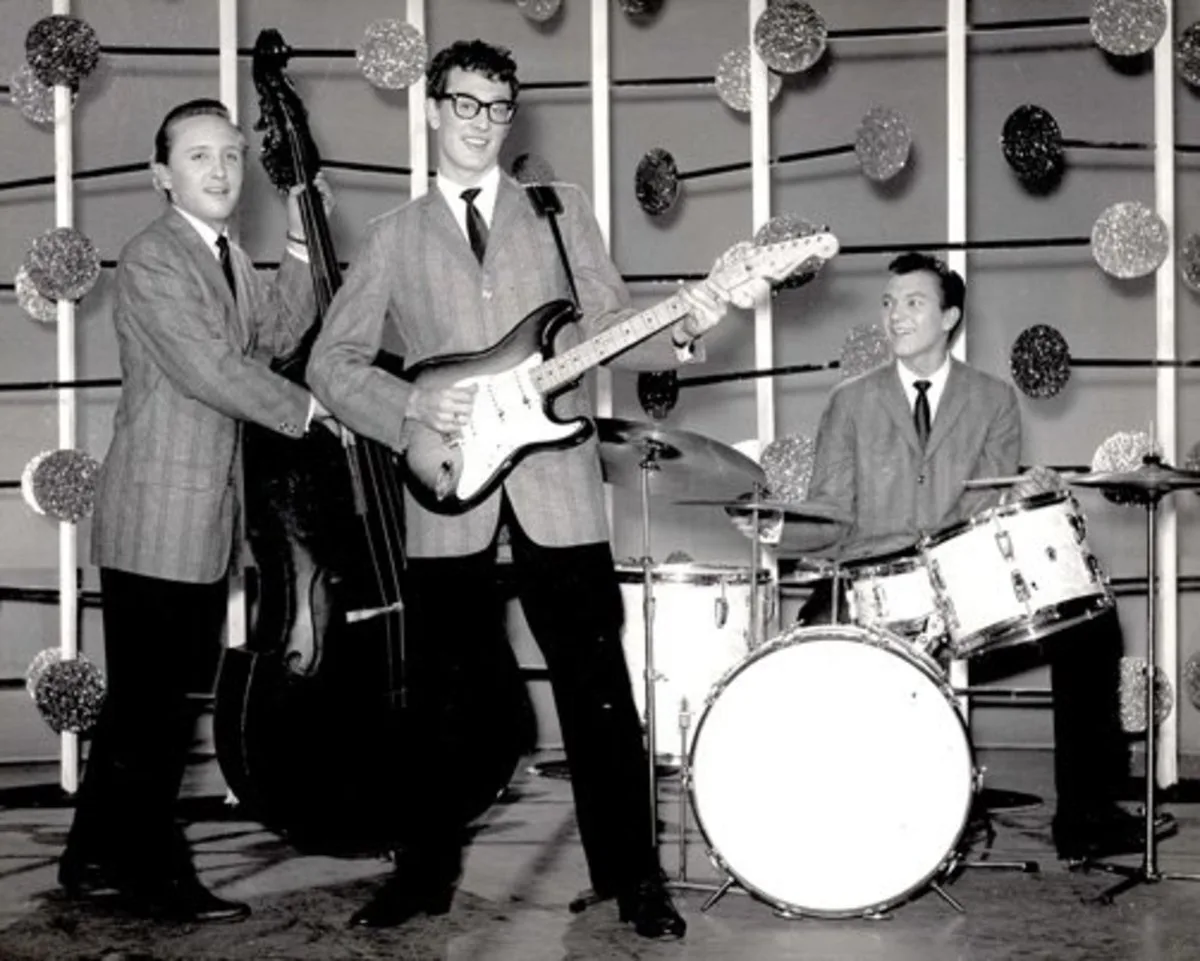
By the mid-20th century, Birmingham was considered a hub of musical life in Great Britain. However, the Jazz Age gave way to the era of rock and roll. The city's musicians formed bands, many of which achieved success not only locally but on the global music stage. By the 1970s, rock and roll's dominance began to fade, and other styles like rock, synth-pop, Britpop, and country gained popularity in Birmingham.
Birmingham: The Birthplace of Heavy Metal
One musical style popular in Birmingham in the 1970s deserves special mention: heavy metal, a genre of rock music. Birmingham is called the birthplace of this movement, as it was here that the band Black Sabbath formed and laid the foundations for its sound. Heavy metal developed simultaneously in the UK and the US, and by the 1980s, it had spawned numerous subgenres and gained worldwide popularity.
Brummies embraced heavy metal for the sheer energy of its compositions. However, the genre was about more than just a powerful sound; it was also combined with philosophical themes in its lyrics. Black Sabbath amazed fans with the wide range of feelings and emotions their music evoked. Their songs conveyed a yearning for independence and freedom, blending lyrical motifs with a powerful, heavy sound.
Music Today
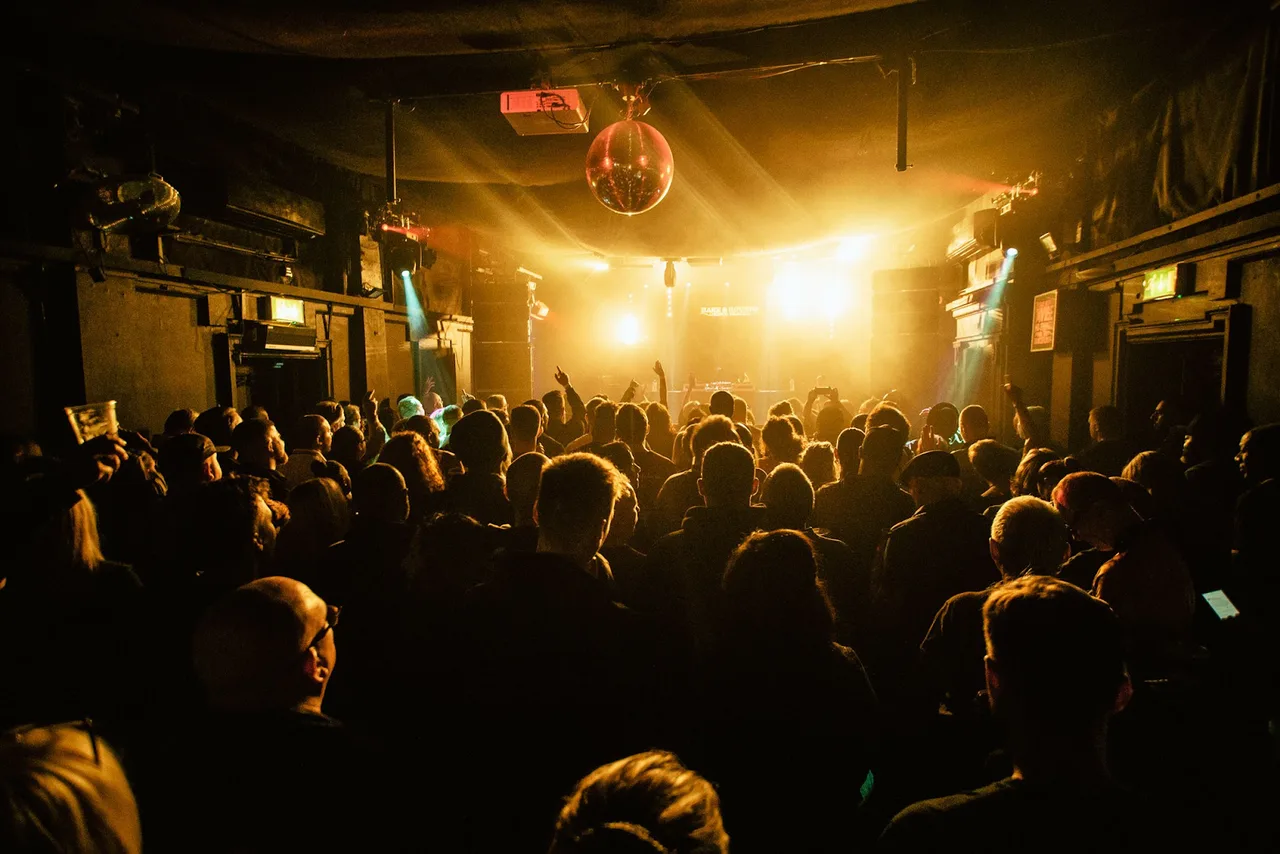
Birmingham's music scene continues to thrive today. The city hosts annual festivals where you can discover the work of local talents, and visiting musicians also organise performances. Music is always playing in Birmingham's restaurants, cafes, and other establishments—often live. It’s rare to see locals leave home without their headphones. Music has become an integral part of daily life for the city's residents.
Here are a few events held in Birmingham that are popular with locals and tourists alike:
- "Supersonic Festival". A popular festival held in Birmingham since 2003. It's known as a uniquely experimental event because it combines music, film, and other art forms. The festival also blends several musical genres, and its performers are not afraid to experiment.
- "Leftfoot". This event began as a jazz night and was especially popular in the 1990s. Although interest in jazz later waned, Leftfoot continued to be held at large pubs and other venues. Today, the event still attracts jazz aficionados, including many tourists.
- "Party in the Park". These are music concerts organised in Birmingham's largest parks. They have a fun, relaxed atmosphere and are run by local radio stations and music communities. The concerts are also supported by the local council, which views them as family-friendly events. Entry to most of these park concerts is free.
Music has played a significant role in shaping Birmingham's culture. Its vibrant and ever-evolving music scene continues to attract tourists today. The city has transformed from an industrial powerhouse into a major cultural and youth hub.