


Cinema appeared in England at the end of the 19th century, when inventors experimented with moving images, showing short films in fairground pavilions and mini-theaters. The first silent films caused a real sensation. Audiences gathered in large groups to watch moving scenes that created the illusion of real life. English cities quickly adopted this new form of entertainment, and Birmingham, as an industrial and cultural center, could not be left behind.
At the beginning of the 20th century, specialized venues for showing films began to appear here, where visitors could immerse themselves in the world of adventure, comedy, and drama. These early screenings were the first steps towards the formation of a film-viewing culture in the city. Read about the first cinemas in Birmingham, their design, and worldview features at birmingham-trend.com.
The emergence of cinemas in Birmingham
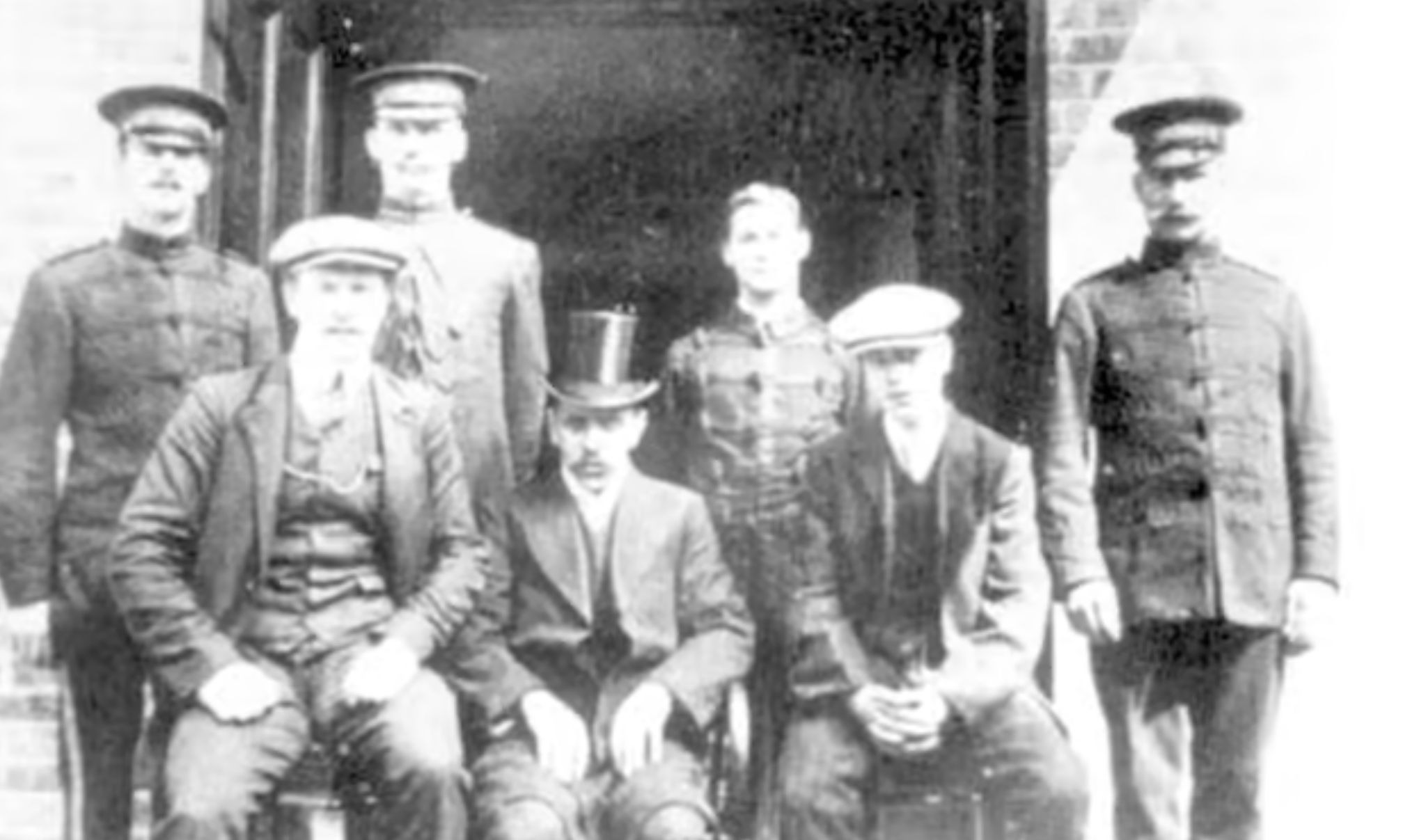
The first cinemas in Birmingham showed silent films, of course, accompanying the screenings with live music performed by a pianist or a small orchestra. One of the first local cinemas was the Electric Cinema. It opened in December 1909.
It was the first full-fledged cinema in the city, with a large screen and comfortable rows of seats designed to accommodate hundreds of viewers. The cinema immediately became the center of cultural life, attracting various social groups to its screenings, from workers to intellectuals.
Subsequently, other cinemas appeared, such as ABC New Street, which initially functioned as a theater hall and later became a full-fledged cinema. The opening of such establishments fostered competition, thereby stimulating the modernization of equipment and improving comfort for viewers.
It is not surprising that in the 1920s, cinema experienced a real boom. Birmingham cinemas were modernized with the installation of sound equipment. This allowed the first sound films to be shown. This opened up new possibilities, as audiences could now hear music, dialogue, and other sound effects. All this made watching films even more exciting. The advent of sound cinema was a turning point for the entire film industry and led to the rapid expansion of the city’s cinema network.
Features of cinemas: architecture and interior design
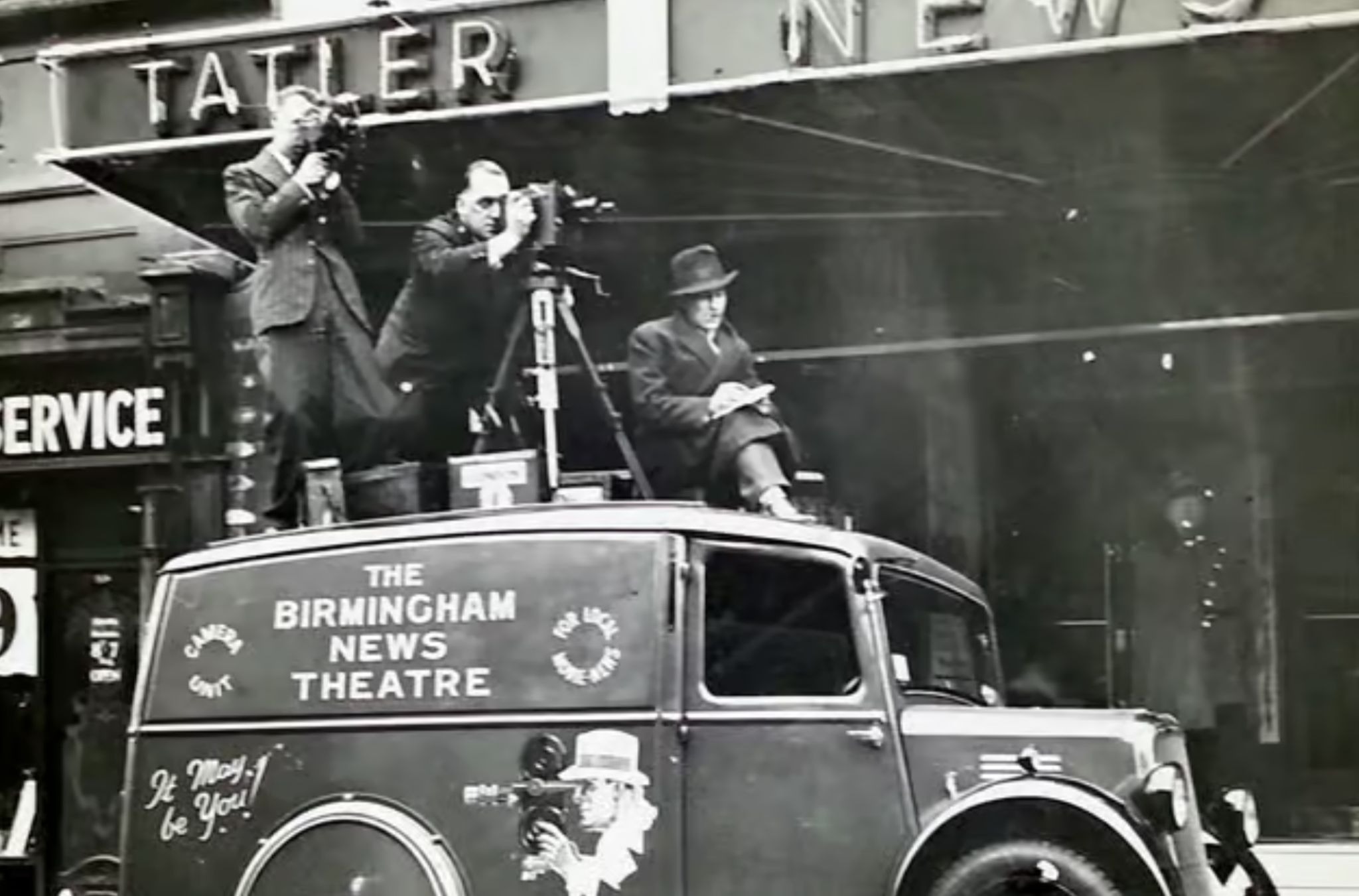
Birmingham cinemas have always been distinguished by their architectural sophistication. For example, The Electric was decorated with Art Deco elements. Here you could see carved details, decorative chandeliers, frescoes, and ceiling paintings. The interiors were carefully thought out, with spacious aisles, acoustically equipped halls, and comfortable armchairs that allowed you to sit comfortably for several hours.
Some of the city’s historic cinemas were designed by renowned architects of their time. The city’s first cinema, The Electric Cinema, was designed by the outstanding theater architect Bertie Crewe, whose plans are kept in the archives of the Birmingham Library. It was he who created the interior and layout for the screening of the first silent films in 1909.
Another important cinema, ABC New Street, was modernized in 1930 under the direction of architect William Riddell Glen, who renovated the old theater building for modern cinema screenings with Art Deco elements.
In addition, during the interwar period in Birmingham, a number of other cinemas were designed by architects associated with the rapid development of cinema architecture. These included Harley Robinson, known for his work on decorative cinema facades in the 1930s, and Harold Seymour Scott, who designed the Art Deco Oak Cinema in Sleaford.
But that was not all. The cinemas of that time were not limited to showing films. Many of them had their cafés, lounge areas, and bars where visitors could relax before or after the screening. In general, the decor created an atmosphere of theatrical luxury. The cinemas had elegant staircases, soft fabrics on the walls, and decorative lighting. Such premises were very different from the usual screening rooms in other cities and turned a visit to the cinema into a real cultural event.
For obvious reasons, special attention was paid to the acoustics of such establishments. The floors and walls were treated with special materials so that the sound would spread evenly throughout the entire hall. This allowed viewers to enjoy not only the images but also the music and dialogue that emphasized the emotions of the film.
Programs and genres—from silent films to arthouse cinema
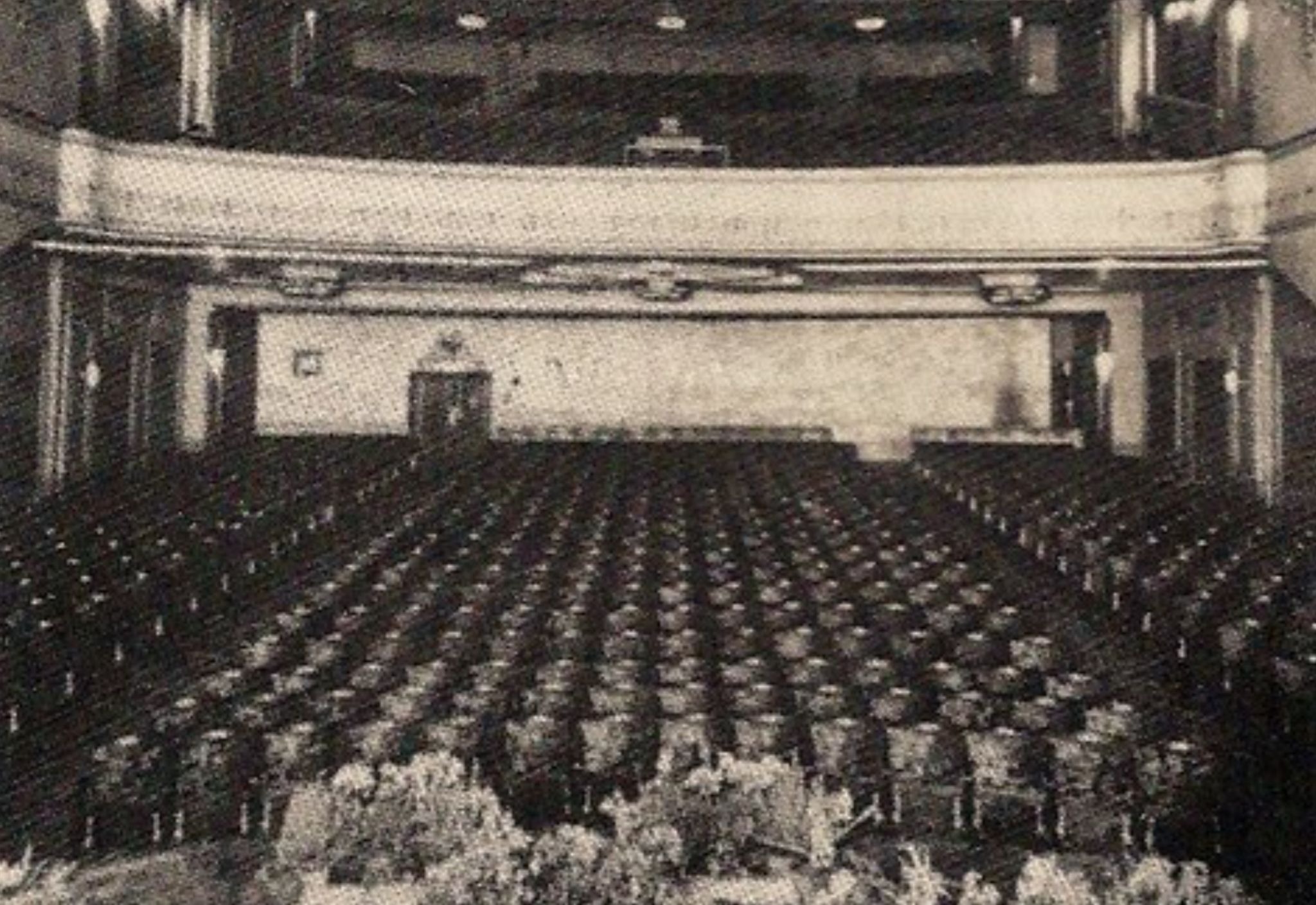
As for the repertoire, at the beginning of the 20th century, audiences watched silent comedies, dramatic stories, and adventure films. Musical accompaniment created an emotional atmosphere, so sometimes even small orchestras were brought in for greater effect. With the advent of sound cinema, cinemas began showing musical films, comedy films, and large-scale adventure films, which attracted a wide audience.
During the Second World War, especially during Operation Blitz in 1940–1941, Birmingham’s cinemas remained an important source of psychological support for the population. Although the city was bombed, cinemas, including The Electric and ABC New Street, continued to operate, showing silent and sound films, newsreels from the front, and patriotic films.
Visitors could temporarily forget about their everyday difficulties, and receive moral support and information about the progress of the war through newsreels. Cinemas were equipped with special shelters and refuges, and screenings were often adjusted according to air raid sirens to ensure the safety of viewers.
After the war, in the second half of the 20th century, some cinemas specialized in arthouse cinema, classic films, and festival screenings. Visitors could see independent films, experimental works, or retrospectives of classics, which turned cinemas into cultural centers. Thus, cinemas entertained and shaped the taste of the public, contributing to the development of film-viewing culture.
The decline of cinemas
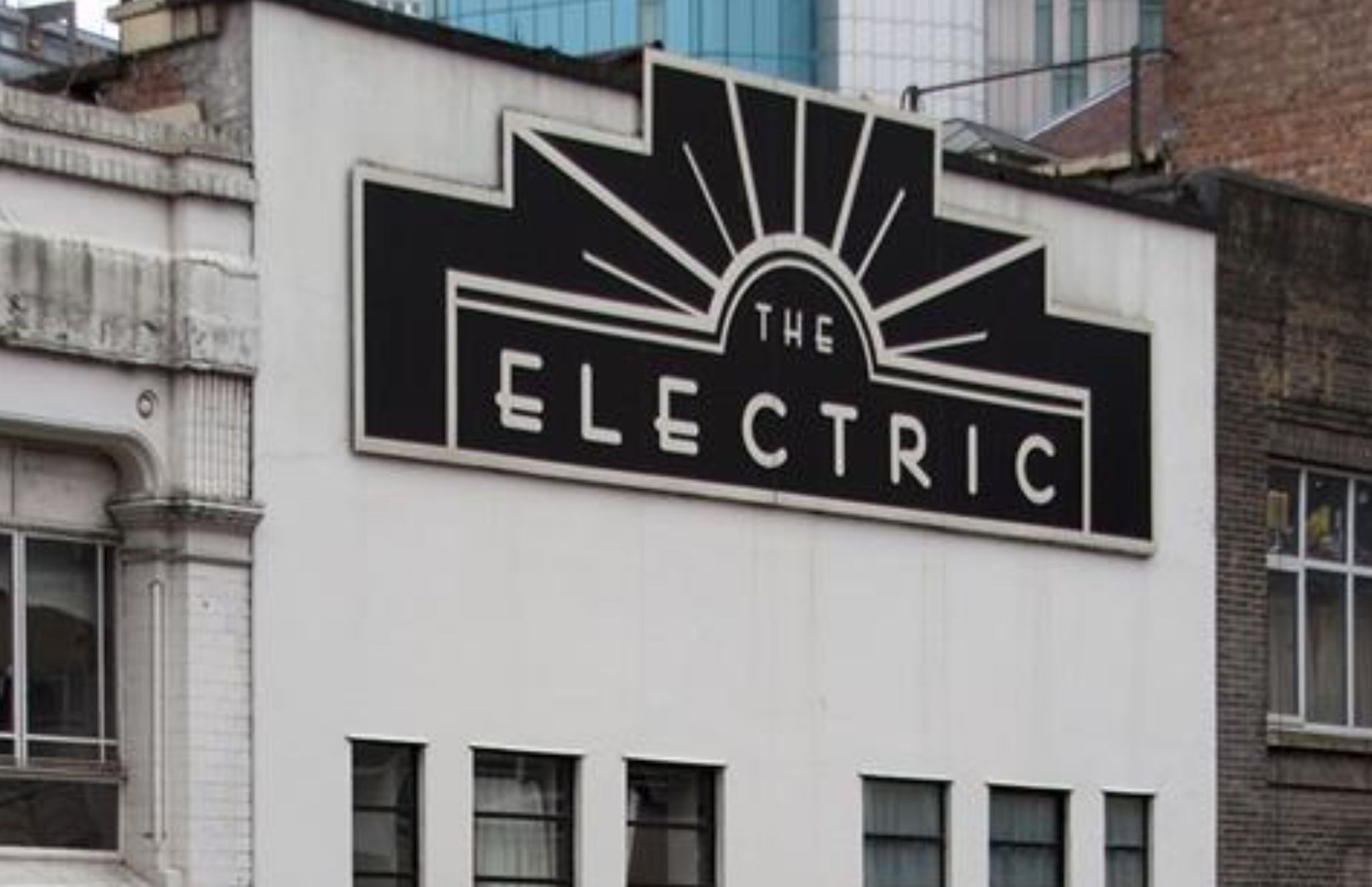
The mid-20th century brought new challenges. Television became widespread, and Birmingham residents began to prefer watching at home. Cinemas lost revenue as the number of visitors declined. As a result, many theaters closed, and the buildings were converted into shops, offices, or residential complexes.
The closure of historic cinemas such as ABC New Street and The Electric became a symbol of change in Birmingham’s cultural life. What once brought the community together and created a festive atmosphere at every screening gradually became a memory in old photographs, posters, and testimonies from visitors.
Today, these cinemas remain part of the city’s history, reminiscent of an era when cinema not only entertained but also brought people together, created a festive atmosphere, and shaped Birmingham’s cultural landscape.
Throughout the 20th century, Birmingham was filled with large-screen venues and local cinemas showing everything from early film screenings to blockbuster hits and arthouse premieres.
Since the mid-20th century, many buildings have been closed or demolished due to economic changes, the growth of television and digital content, as well as urban planning and development. Today, the history of these places lives on not only in archives but also in the memories of people who visited them at different times.
Sources:
- https://www.screendaily.com/news/historic-uk-cinema-the-electric-birmingham-closes/5191160.article
- https://www.business-live.co.uk/opinion-analysis/steven-mccabe-halcyon-days-birmingham-7436849
- https://www.euronews.com/culture/2024/03/01/uks-oldest-working-cinema-the-electric-cinema-in-birmingham-closes-its-doors
- https://www.birminghamworld.uk/whats-on/electric-cinema-birmingham-amazing-heritage-photos-of-the-uks-oldest-working-cinema-3538390