


In the classic Eastern European sense, ‘academic theatre, opera, and ballet’ effectively do not exist in Birmingham. And this is somewhat surprising, as the city is so large and ambitious that it should long since have built one with columns, velvet armchairs, stern old ladies at the cloakroom, and ardent admirers of Modest Mussorgsky. But Birmingham rarely follows the classical path anyway.
Here, it was decided—and this is common practice in England—that ballet is one thing, opera another, and the building where they perform is a matter entirely of its own. Thus, the world-famous Birmingham Royal Ballet and its permanent home—the Birmingham Hippodrome—came to be in the city.
An even more interesting twist has emerged with opera. Instead of waiting for visiting touring companies, the local Birmingham Opera Company decided: if there is no traditional opera house, then the whole city will become the opera house. So don’t be surprised if, in Birmingham, you find yourself listening to Verdi or Wagner not in a velvet-upholstered auditorium but in a derelict factory, a shopping center, or a railway station. You can read more about this unusual theatrical history at birmingham-trend.com.
It used to be the London Ballet, but it has become the Birmingham Ballet
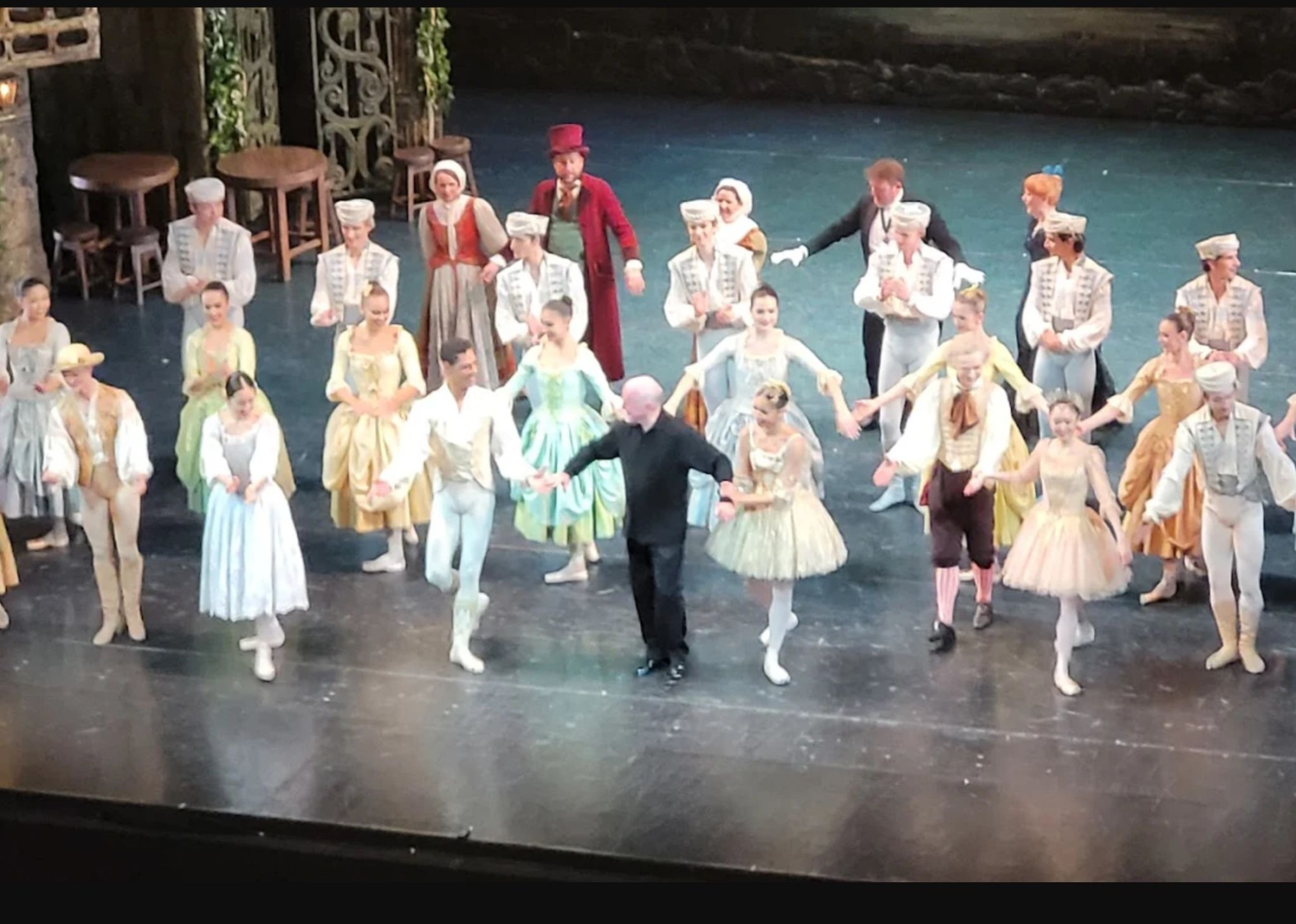
It is said that, at the time, the arrival of its own Royal Ballet came as something of a shock to Birmingham. Until 1990, the Birmingham Royal Ballet was based in London and was considered a typical capital city institution—with grand stages, an academic audience, and the traditional British love of ‘high art.’
But eventually it was decided to move the company to Birmingham, and at the time this decision seemed to many little short of a cultural gamble—why would a harsh industrial city need pointe shoes and tutus? However, the experiment worked so well that the Birmingham Royal Ballet has long since become one of the most famous ballet companies in Great Britain.
A city that for decades was associated solely with steelworks, factories, and the TV series *Peaky Blinders* has ultimately become one of the symbols of British classical dance. Today, the Birmingham company regularly attracts global attention, and one particular, truly extraordinary individual is ‘to blame’ for this. The company’s artistic director is the legendary Carlos Acosta—a global ballet superstar.
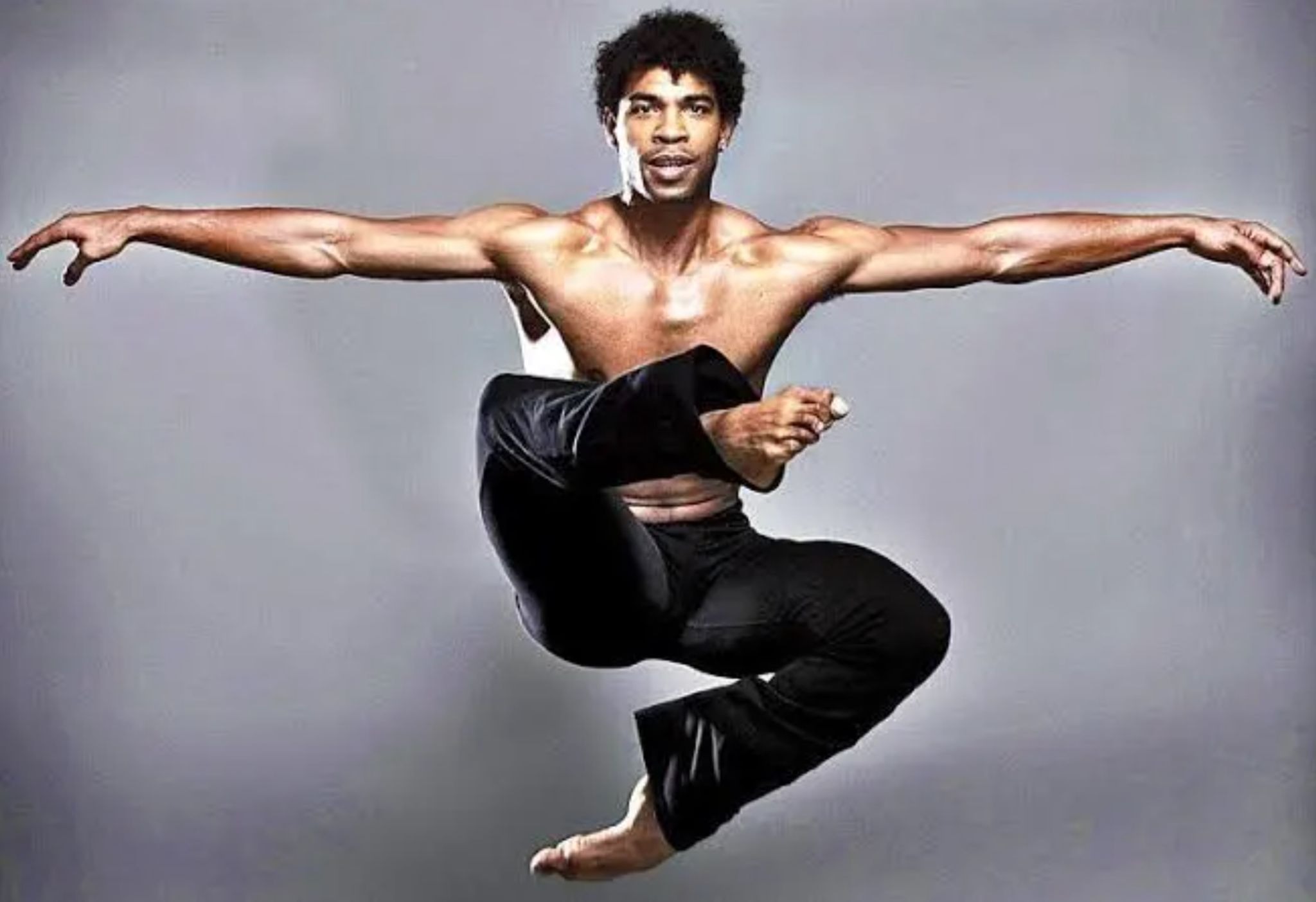
Rather than simply dusting off old classics, Acosta has sparked a veritable cultural revolution in the city. It was under his leadership that one of the most talked-about contemporary productions—Black Sabbath—The Ballet—was born. That’s right, they staged a full-scale Birmingham ballet set to the heavy riffs of a cult local heavy metal band, playing to packed houses.
Whenever Akosti feels like a classic, he stages his signature, expressive version of *Don Quixote*. With these productions, the Birmingham dancers are not staying at home but regularly perform on international stages (from the US to Japan), receiving standing ovations at London’s Royal Opera House.
And the whole story is set at the Birmingham Hippodrome—a theater once associated more with light-hearted variety shows and musicals but which has now become the home of a world-class ballet punk revolution.
Birmingham Hippodrome—everyone is performing!
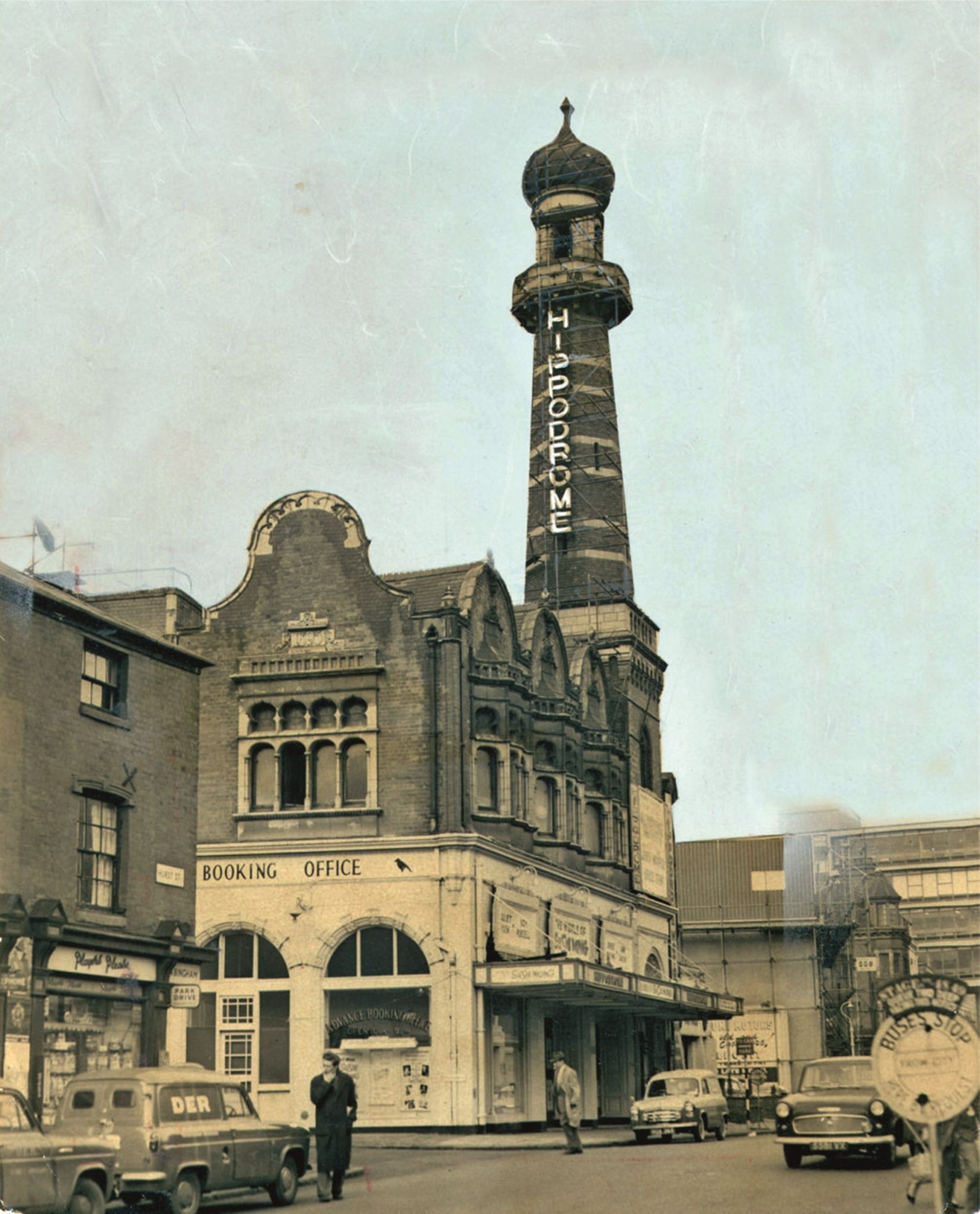
So, the Birmingham Hippodrome—judging by the venue’s name, it was never meant to be about ballet but rather about horses racing against one another. And, most interestingly, the history of this place does nothing to contradict that impression. For the Hippodrome, built in 1899, began precisely as a space for spectacles—loud, mass-scale, and absolutely not ballet-related. Even live elephants performed here, and the stage was flooded with water when needed for sea-themed shows.
Birmingham has never been one for the culture of ‘quiet whispers in the boxes.’ Here, they’ve always been convinced that the roar of emotion should be heard several blocks away. Although, over time, the building has, of course, evolved, having undergone several major facelifts. The first major refurbishment took place in the 1980s, when the stage was finally enlarged so that the ballet company could dance without risk.
Then, at the turn of the millennium, between 1999 and 2001, the theatre closed for a major refurbishment costing £35 million. By then, not a trace remained of the old circus aesthetic: the Hippodrome was given an ultra-modern glass façade, new rehearsal rooms, and state-of-the-art acoustics. Everything was brought into line with the strict rules of ‘high’ art. Yet a sense of a certain theatrical versatility never quite disappeared, even after all the renovations.
Nowadays, the Birmingham Hippodrome is not an exclusive, members-only club but the city’s main cultural hub. Here, high-profile Broadway musicals, large-scale touring operas, exquisite world-class ballet, and an audience that has come ‘simply to see something beautiful after a hard day’s work’ coexist in a remarkable way. And there is a particular honesty in this: no one pretends that this is a sanctuary of the muses.
It is a finely tuned, powerful machine that generates raw emotion without any fuss or pretence. And that is probably why the Royal Ballet has settled in so naturally here. Because the Hippodrome doesn’t try to appear as anything other than what it is—it simply functions as a stage, ready to welcome everyone, from a folk Christmas show with popcorn to a rigorous academic ballet. The latter, incidentally, sometimes seems like a rather unexpected, yet very refined, guest in the city.
Birmingham Opera: when Verdi is sung in a warehouse
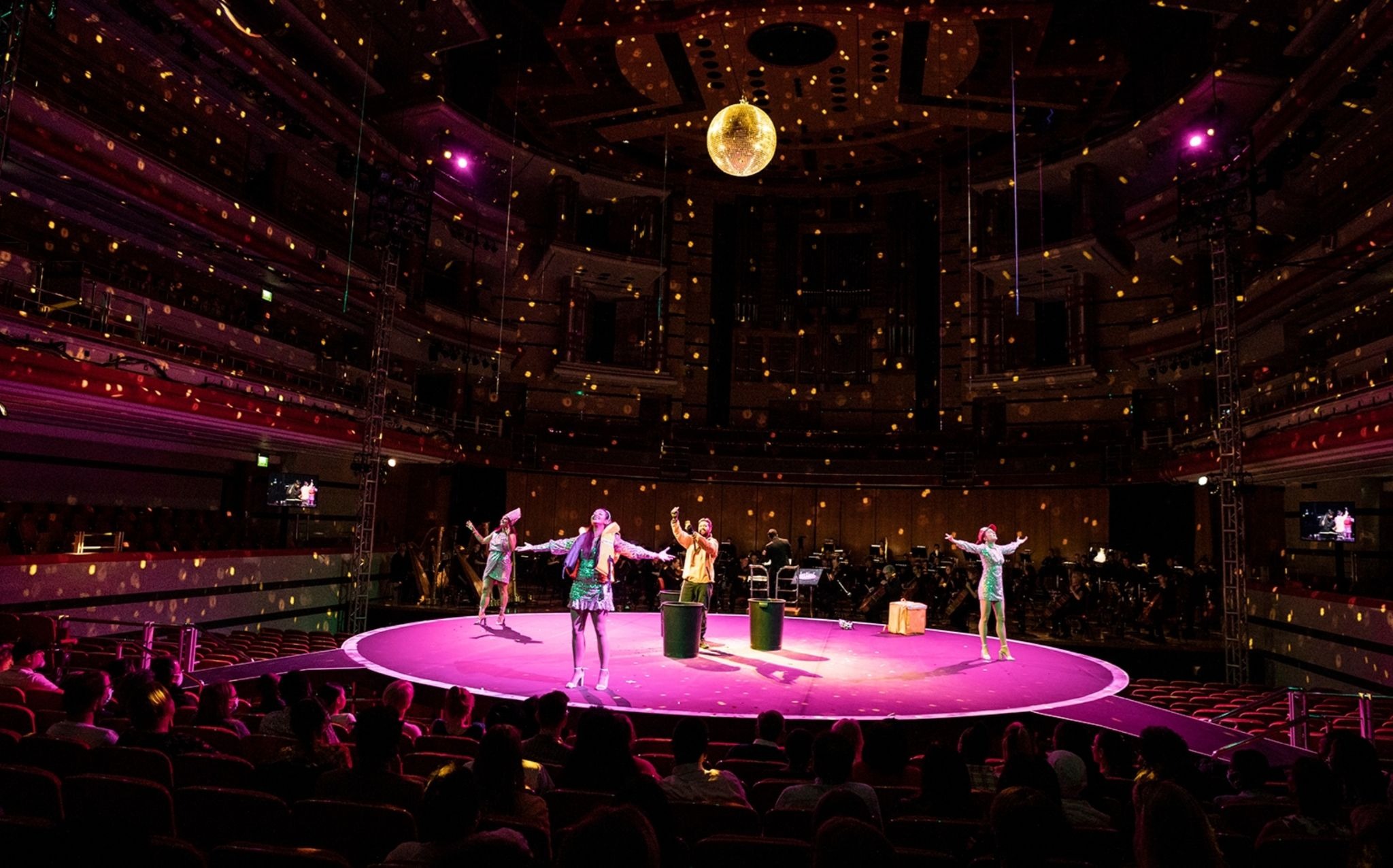
Birmingham’s local opera scene bears no resemblance whatsoever to that ‘proper’ European model, where opera is all about marble, crystal, expensive perfume, and the persistent feeling that you’re not welcome here without a bow tie. Here, everything is far less formal and considerably more… hands-on. We’re talking about the Birmingham Opera Company—a troupe that has long and resolutely refused to conform to the traditional notions of high art.
The main irony is that this company is known throughout the world not for its ‘home stage,’ but precisely for its complete absence. They are not tied to any particular venue, do not sit beneath gilded chandeliers, and generally behave as if the opera house were some sort of anachronism.
So, instead of traditional auditoriums, audiences are taken to derelict factories, former aircraft hangars, drab industrial warehouses in the Digbeth industrial estate, and other austere venues where you’d normally expect to see a rap battle or an illegal rave. But certainly not arias by Verdi or Mozart.
All in all, their productions strike one as a veritable cultural paradox. World-class opera stars perform here side by side with ordinary Birmingham residents, whom the company regularly recruits as extras and choir members straight off the street. But this ‘non-academic’ approach does not prevent the company from winning the world’s top opera awards. Despite its ‘underground’ approach, the company is the winner of the prestigious International Opera Awards. In other words, it is precisely this punk approach that has made them superstars.
Birmingham ballet and opera — art with character
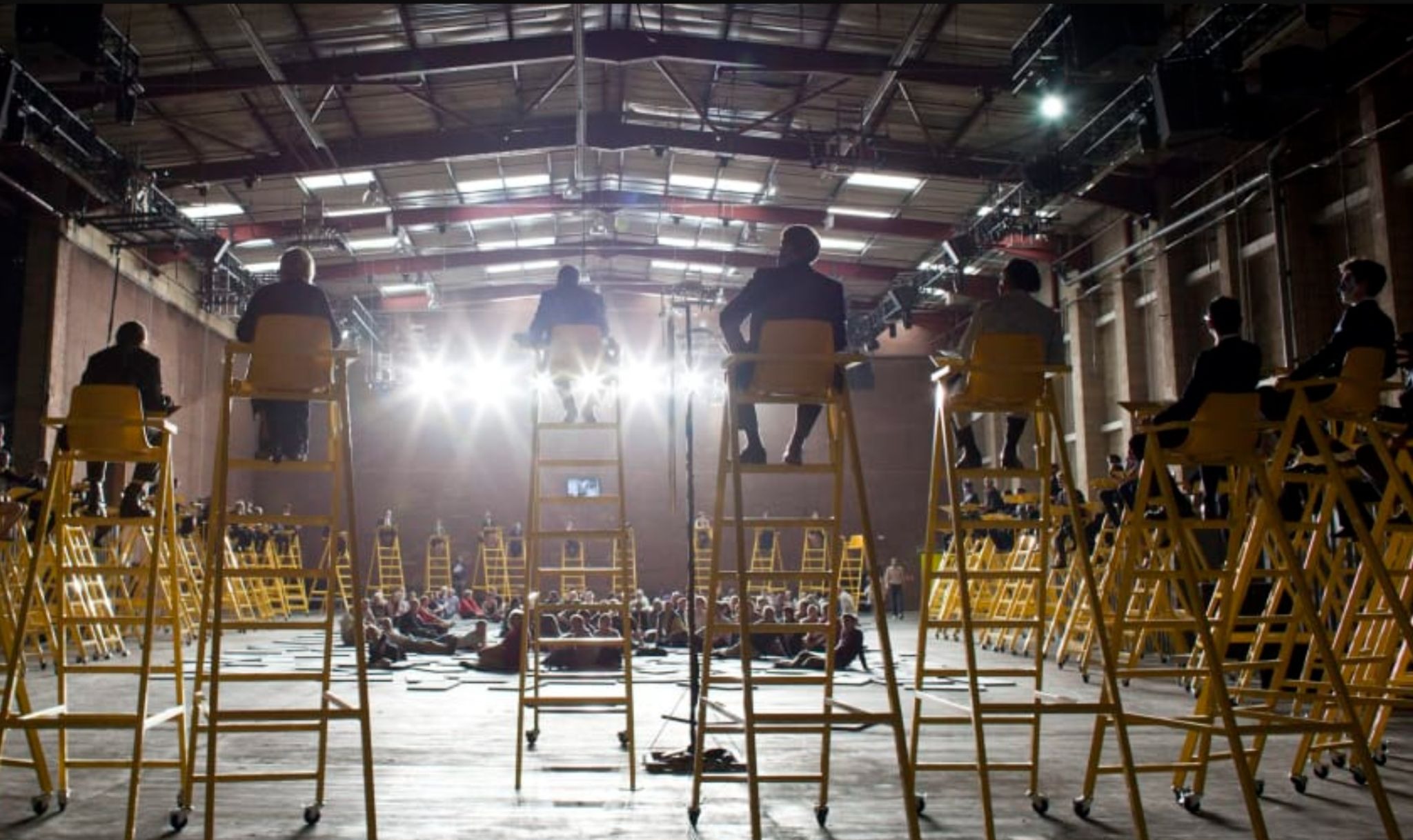
Despite its unconventional, almost ‘non-academic’ path, ballet and opera in Birmingham have managed to establish their own standing and reputation. There was no classical opera house with historic traditions beneath marble ceilings, but that did not prevent the city from creating a world-class stage.
The Birmingham Royal Ballet, the Birmingham Hippodrome, and the Birmingham Opera Company have proven that art can be born not only in the palaces of the capital but also in an industrial city with character. Today, they are recognised not only by local audiences and connoisseurs with a refined sensibility, but also worldwide—as an example of how an unconventional path sometimes leads to the most successful outcome.
Sources:
- https://www.birminghamopera.org.uk/our-house
- https://www.brb.org.uk/stories/birmingham-royal-ballet-and-national-ballet-of-canada-strengthen-international-relationship-with-don-quixote
- https://www.carlosacosta.com/birmingham-royal-ballet/
- https://www.birminghamhippodrome.com/about-us/who-we-work-with/
- https://spectator.com/article/ecstasy-from-birmingham-opera-company-wagners-rhinegold-reviewed/