


In the popular imagination, Birmingham is a city more commonly associated with factory chimneys and the clatter of heavy industrial machinery—in other words, that ‘music’ which is far louder than a symphony orchestra. But the irony is that it was here, amidst the factories, the smoke, and the rapid industrial growth, that one of Britain’s most important musical traditions took shape.
However, this is just the tip of the iceberg; the story is far deeper and more fascinating than it might seem at first glance. You can find out more about Birmingham’s music scene, its festivals, concert halls, and the people who built this tradition at birmingham-trend.com.
After all, Birmingham’s connection with the development of classical music should be viewed through the prism of several key factors. First and foremost, through the early music festivals, which, as early as the 18th century, transformed the industrial city into a venue for the premieres of works of European significance. It was the Birmingham Triennial Music Festival that later became one of Britain’s most prestigious musical forums and, for many composers, a chance to make history.
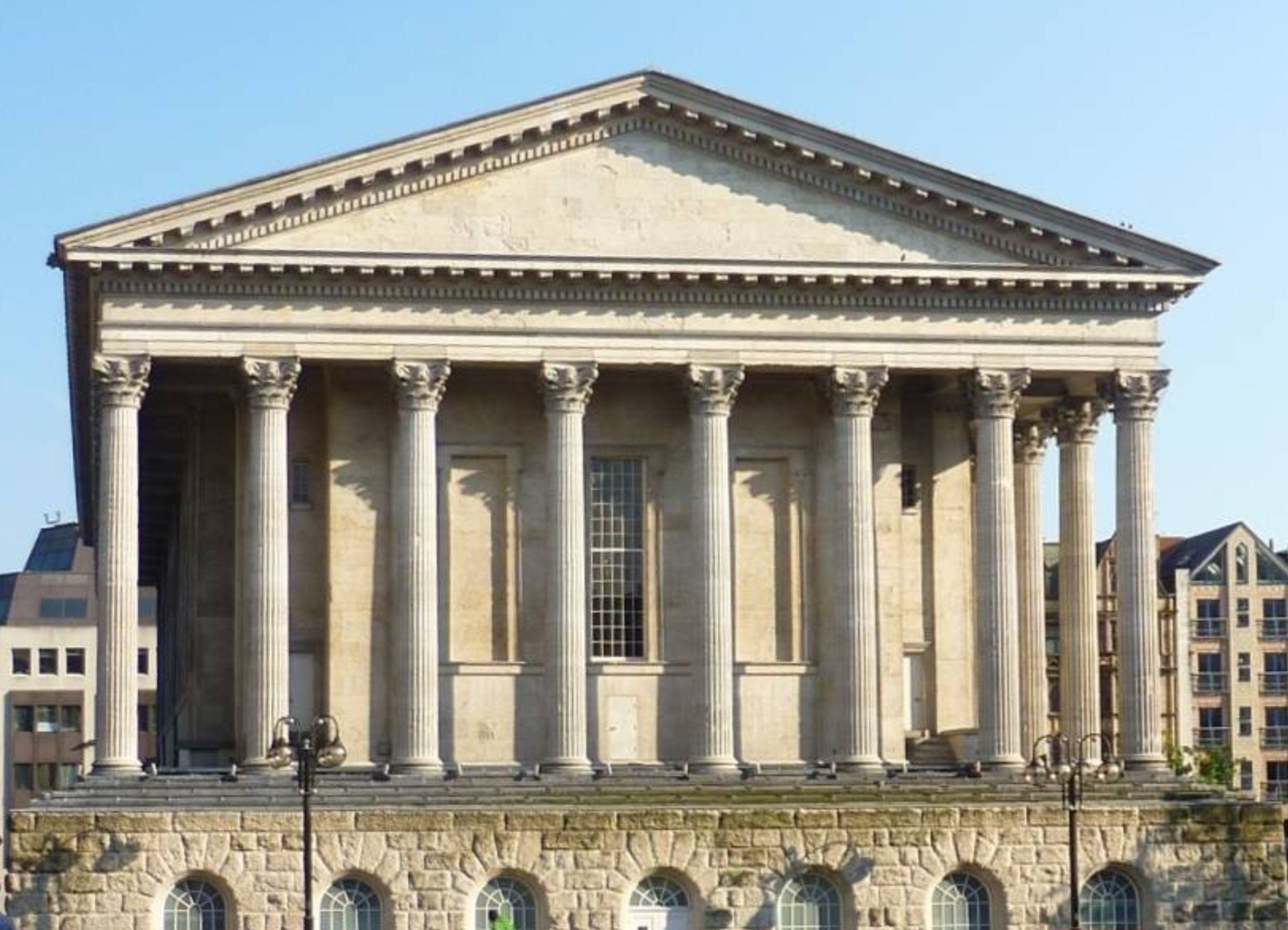
Equally significant was the construction of Birmingham Town Hall—a building which, for the 19th century, stood as a striking demonstration of the city’s cultural ambitions. It was designed not merely as yet another administrative building but effectively as a dedicated temple to music, intended for festivals and major concerts.
The beginning: when the smoke was thicker and the stars were brighter

To be honest, if you were to offer the average tourist a tour of Europe’s musical hotspots today, they would be more likely to choose Vienna with its waltzes or Salzburg with its Mozart heritage. It’s unlikely that anyone in their right mind, dreaming of high culture, would immediately buy a ticket to Birmingham.
But the historical irony is that it was right here, amidst the factory soot and the capitalist fervour of the 18th century, that one of Britain’s most vibrant music scenes was born. Local factory owners were making a fair bit of money, so, having become the city’s elite, they began to think about culture. This is how the Birmingham Triennial Music Festival came about—an event that quickly turned into a sort of ‘parade of stars’ on a pan-European scale.
These weren’t just low-key get-togethers for local connoisseurs. The festival organisers approached the event with typical Birmingham panache: if they were going to bring in stars, they were going to bring in the ones the whole continent was crazy about. In those days, despite the city’s unreliable transport links, the biggest stars of the era still managed to make their way here. Niccolò Paganini came here—a violinist rumoured to have sold his soul to the devil (perhaps so as not to have to see Birmingham’s roads).
The festival stage also welcomed such European celebrities as Antonín Dvořák and the opera diva Jenny Lind, for whom the whole of Europe was crazy. Even Arthur Sullivan, a favourite of the British public, considered it an honour to make an appearance (and present a new manuscript) at this event. The most interesting thing is that they didn’t just play anything in Birmingham. The city acted as a major producer. New works were specially commissioned for the festival, and—lo and behold! — These commissions became the major European ‘hits’ of their time.
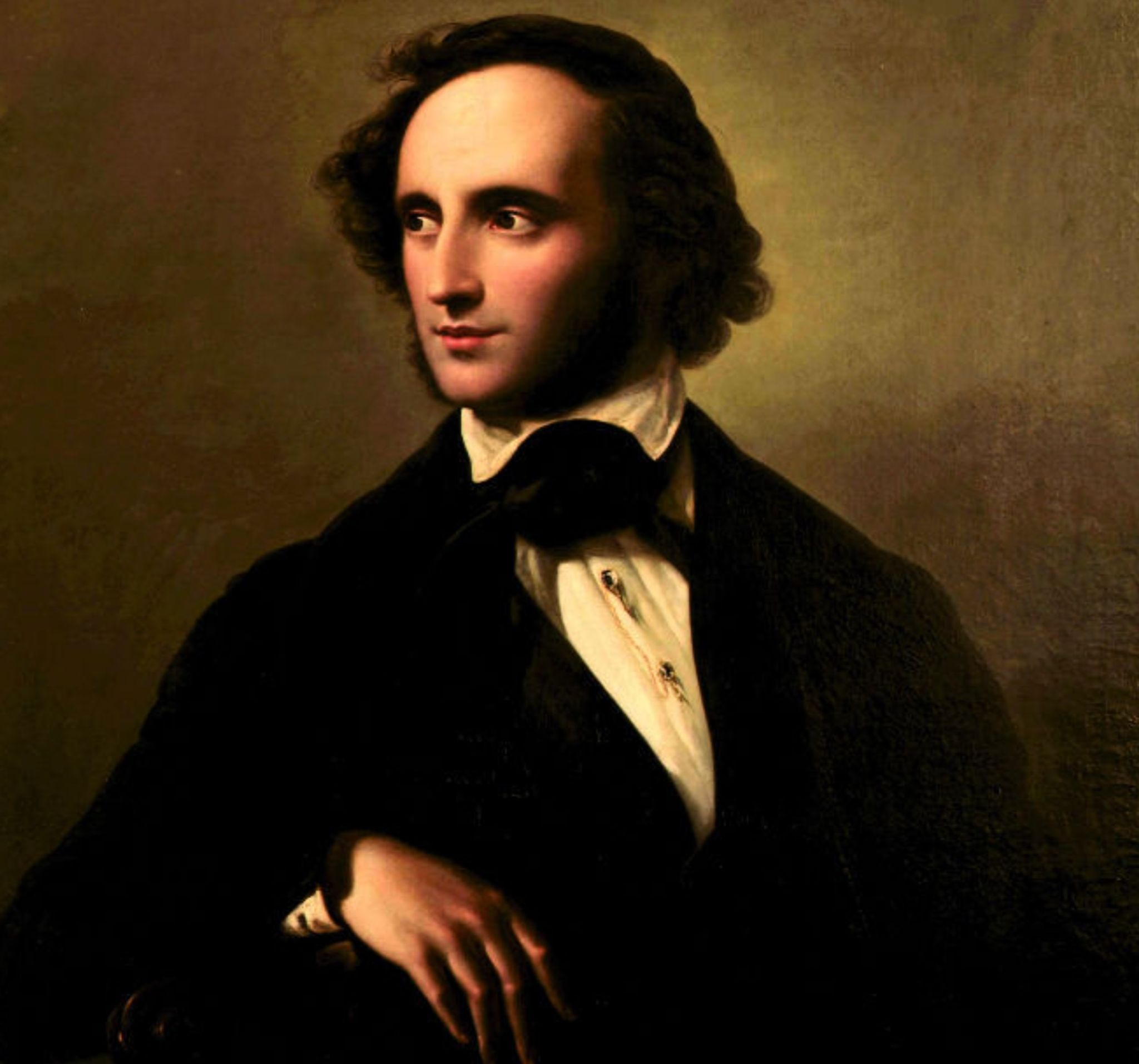
This is precisely what Felix Mendelssohn did when he composed his immortal oratorio *Elijah* for the Birmingham Triennial Music Festival. What is more, the premiere took place on 26 August 1846 under the baton of the composer himself, and the oratorio went on to become one of the greatest hits of the 19th century throughout Europe.
A grand festival deserves a grand stage
A major music festival requires a large stage. That is a given. And whilst Birmingham’s concerts could initially make do with churches or temporary venues, by the early 19th century it had become clear that the city needed a dedicated building capable of hosting large-scale musical events. And not just ‘another town hall,’ but a space that would immediately demonstrate Birmingham’s ambitions.
And so the idea arose to build Birmingham Town Hall—a building designed to combine administrative functions with the role of one of England’s most modern concert halls.
The project was entrusted to architects Joseph Hansom and Edward Welch. They drew inspiration from ancient architecture, in particular the Roman Temple of Castor and Pollux. As a result, the Town Hall acquired a massive classical appearance with Corinthian columns, which to this day looks as though someone had accidentally transported a whole chunk of Ancient Rome to the centre of industrial Birmingham.
Construction officially began in 1832, although the process immediately proved to be more complicated and considerably more expensive than expected. The architects had miscalculated the budget so badly that they managed to go completely bankrupt during the build, and the hall was eventually completed by other people. Incidentally, Joseph Hansom was so disheartened by this that he gave up on architecture and later invented the famous London horse-drawn carriage—the ‘Hansom cab’.
Birmingham Town Hall was one of the first major buildings in England to make extensive use of cast-iron structures—a technology that was quite innovative for its time. Construction was completed in 1834. Its opening turned into a major event for the whole city. The first major music festival in the new hall took place that same year, and the Town Hall almost immediately began to cement its reputation as a concert venue of national standing.
The acoustics were particularly impressive; contemporaries described them as among the best in the country. Paradoxically, a city filled with the clamour of factories suddenly became a place where the proper sound of a symphony orchestra was highly prized. It was the Town Hall that ultimately transformed Birmingham from a city that simply hosted music festivals into one of the main centres of British musical life in the 19th century. And this is perhaps one of the few instances where a town hall has gone down in history not because of politicians, but because of its acoustics.
A breeding ground for talent: from the steelworks to the conservatoire
Music education proved to be no less important a factor in the development of classical music in Birmingham. Birmingham realised quite early on a simple truth: a thriving music scene requires not only concert halls and festivals but also people capable of bringing that scene to life. That is why, as early as the 19th century, the city began actively supporting music schools and choral societies, placing an emphasis on the professional training of performers.
This tradition eventually led to the establishment of the Royal Birmingham Conservatoire—one of the UK’s most prestigious music institutions. The conservatoire became a major centre for training musicians, composers and conductors and helped cement Birmingham’s reputation as a city where classical music is part of its cultural identity, rather than merely a ‘pleasant addition’ to the industrial landscape. Ironically, the city of factories eventually learned to produce not only metal goods but also to nurture musical talent.
From Mendelssohn to Ozzy Osbourne
The history of Birmingham and classical music has proved to be far more enduring than the stereotypical image of a stark industrial giant would suggest. From its early festivals and the magnificent Town Hall to the modern conservatoire and its formidable symphony orchestras, the city has, over the decades, steadfastly and skilfully forged its own cultural tradition.
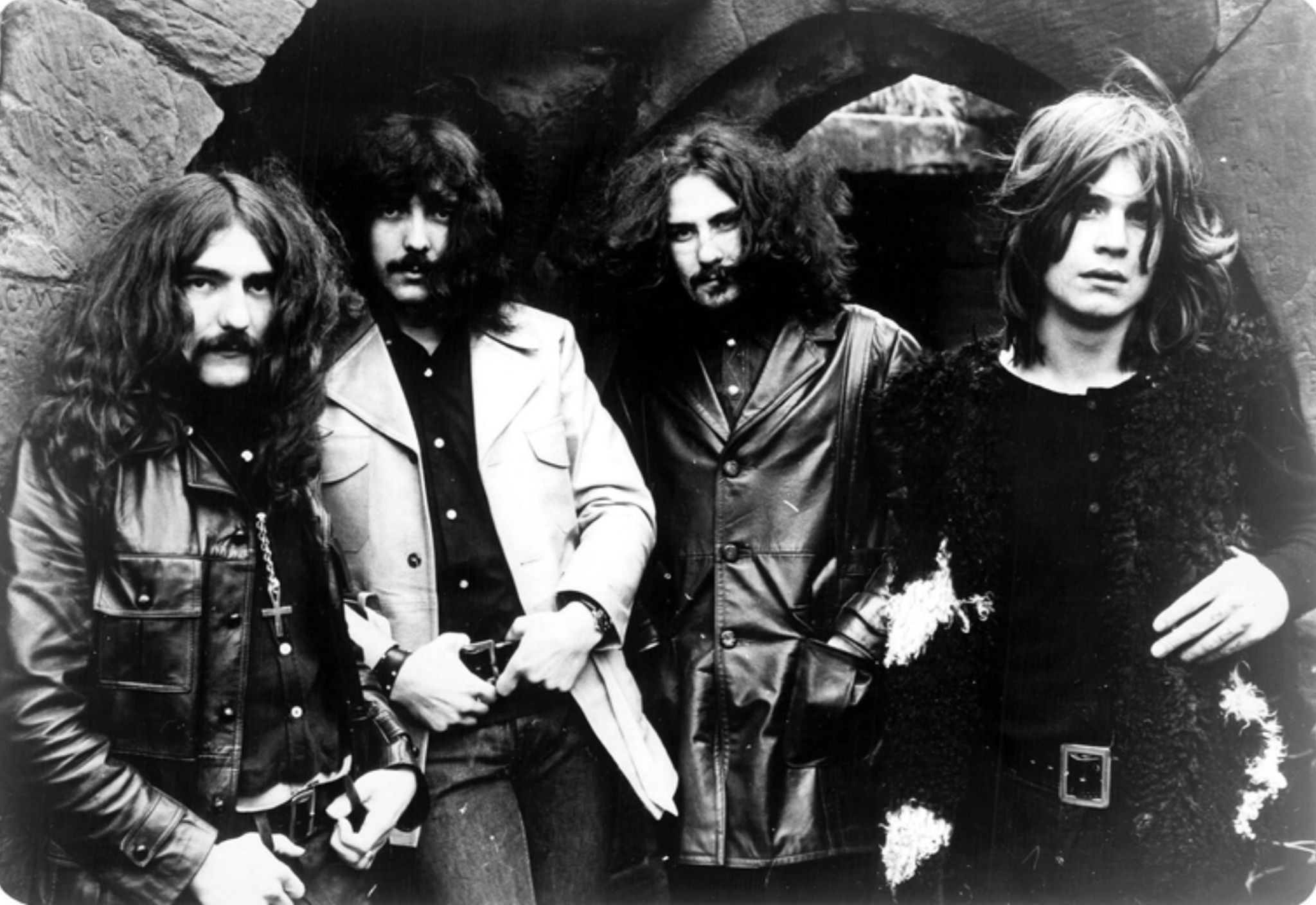
So, when you think about it, the emergence within these very walls at the end of the 20th century of such heavy metal icons as Black Sabbath was hardly a mere coincidence. The lads simply carried on the Birmingham tradition of making a big splash, on a grand scale, and for the whole world to see. But that’s a completely different story.
Sources:
- https://www.planethugill.com/2020/04/in-search-of-elijah-exploration-of.html
- https://bmusic.co.uk/what-we-do/who-we-are/history-1
- https://www.building.co.uk/focus/the-many-lives-of-joseph-aloysius-hansom/3162635.article
- https://www.theguardian.com/music/2007/oct/26/classicalmusicandopera1
- https://www.birmingham.gov.uk/info/50137/music_and_performance/1465/edward_elgar_and_the_dream_of_gerontius/2