


It may seem a little strange to some that a discussion of Birmingham’s musical genres has to begin not with a talk of concerts, clubs, or vinyl records, but with a reminder of factories, machine tools, and the Industrial Revolution. But there’s nothing to be done about it: Birmingham is precisely the case where the clamor of the factories simply took hold at a certain point and influenced the musical styles popular here. And, to be honest, the result was quite convincing.
And when it comes to alternative music, there’s no denying that the city’s industrial past has played a part. It’s hardly surprising that it was here that genres which were far from suited to cosy acoustic evenings by the fireside first took root and flourished. Do the maths yourself: industrial metal, grindcore, post-punk, industrial, hard-hitting Birmingham techno, and other sonic ways of reminding humanity that the factory district, too, has a right to art.
For more details on Birmingham’s alternative music genres, their history, and the people who transformed the clamor of an industrial city into a distinct cultural aesthetic, visit birmingham-trend.com.
When the underground became a culture
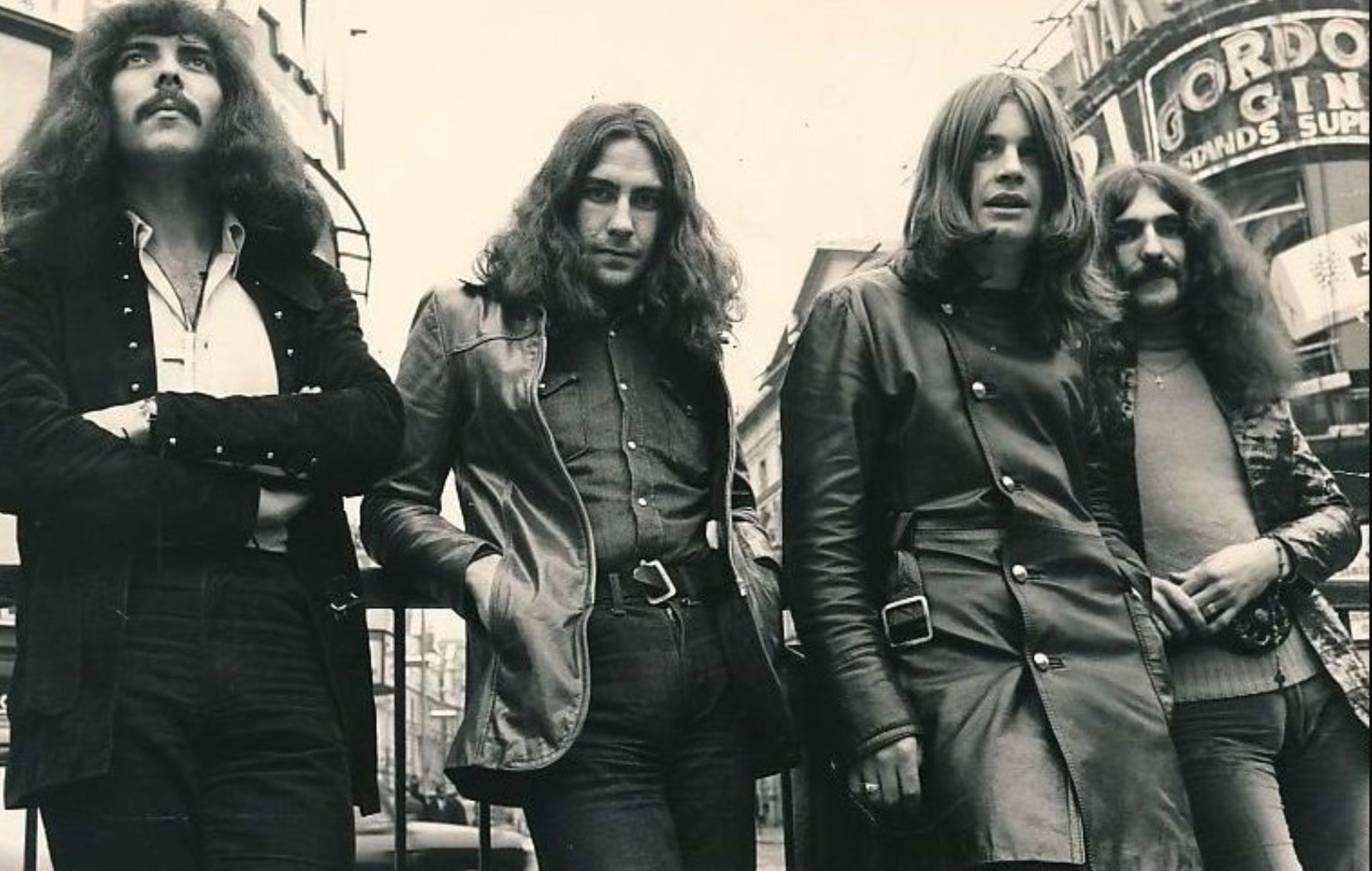
If you hear music that sounds as though a metal press has had a falling-out with an electric guitar, you should know that this is ‘alternative music.’ These days, the word ‘alternative’ is used to describe almost anything that doesn’t resemble yet another radio hit about complicated relationships set to three chords and a neat beat for the supermarket.
Let’s try to understand what alternative music actually is. It emerged as a form of cultural opposition to the mainstream. In the 1970s and particularly the 1980s, movements began to take shape in the UK and the US, whose representatives were not particularly pleased with the direction popular music had taken.
Some musicians thought it was too commercial, some thought it was too ‘glossy,’ and some simply wanted to play something that would make their neighbours stop saying hello in the stairwell. No doubt there were those too. This is precisely how punk, post-punk, industrial, noise rock, grunge, gothic rock, and other genres gradually emerged, later united under the broad and somewhat chaotic term ‘alternative.’
Interestingly, the alternative scene was almost never centred around large concert halls or expensive studios. Its natural habitat came to be basements, pubs, small clubs, student radio stations, and independent labels. In other words, places where no one particularly asked whether a band had commercial potential.
The UK became one of the main hubs for the development of alternative music. It was here that punk evolved not merely into a genre, but almost into a social response to economic crises, unemployment, and society’s general weariness with the ‘proper’ cultural order. After punk came post-punk—darker, more experimental, and, at times, so atmospheric that listening to it in the rain became almost a cultural tradition. Later on, industrial, gothic rock, shoegaze, and countless other genres emerged from this scene.
Ultimately, the influence of alternative music on global culture turned out to be far greater than it might initially have seemed. What once existed somewhere on the fringes of the music scene gradually began to seep into the mainstream. Nirvana made grunge a global phenomenon, industrial music influenced electronic and metal genres post-punk has effectively undergone several ‘rebirths.’ Elements of alternative rock can now be found even in thoroughly mainstream artists who would once, no doubt, have been frightened by the very word ‘underground’.’.
And this is where Birmingham comes into the story, no longer merely as a random extra. For a city that had spent decades surrounded by factories, smoke, and industrial noise turned out to be almost the perfect setting for music that refused to be ‘convenient’.
Birmingham and music that refused to be conventional
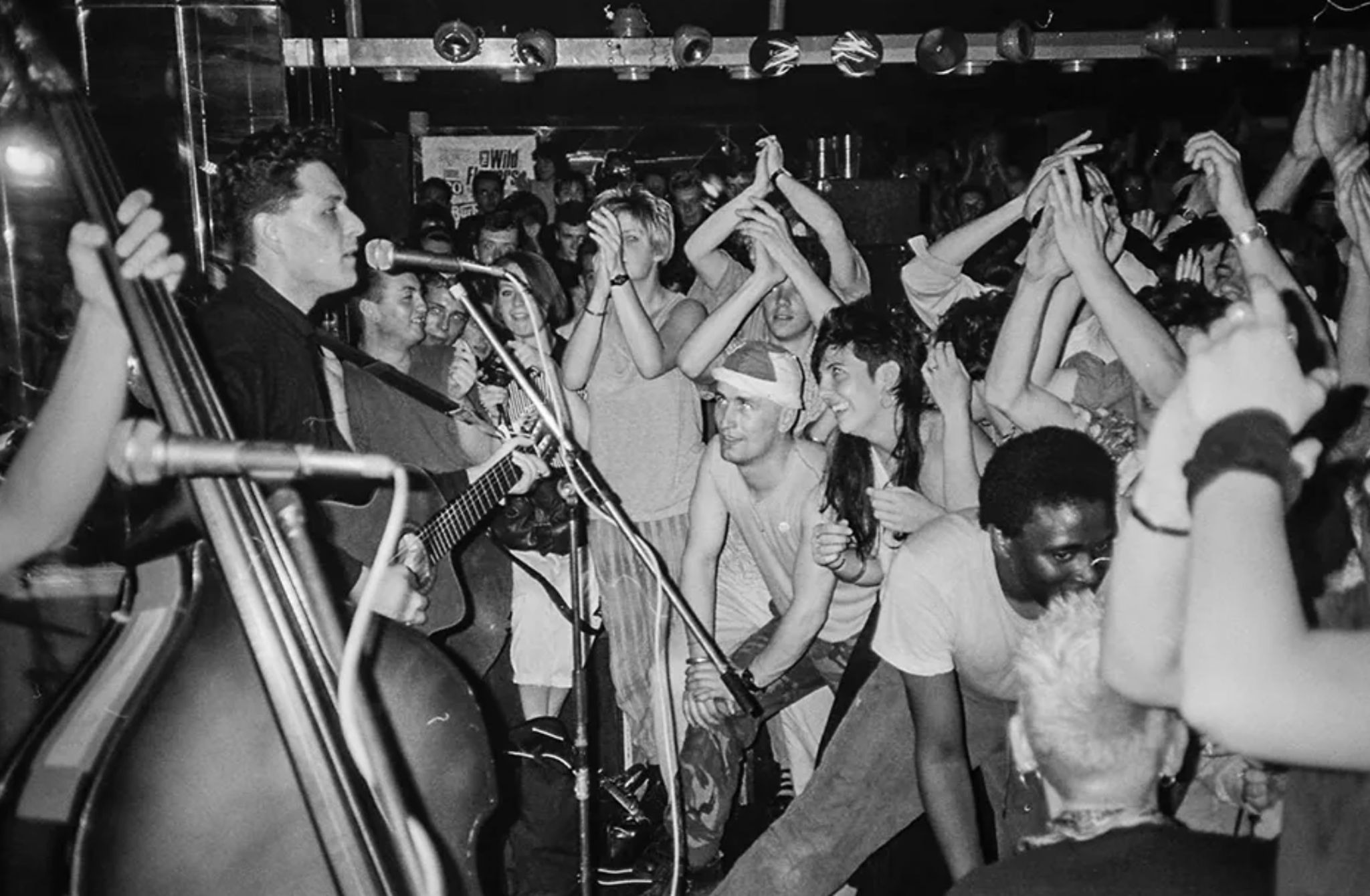
When it comes to Birmingham’s contribution to alternative music, the city behaves much like someone who modestly says, ‘Oh, I’m just a bit into music.’ Only to turn out to be the founder of half the genres in the heavy music scene. And we’re not just talking about classic heavy metal—Birmingham takes that seriously enough as it is. What’s far more interesting is what the city has done for alternative and extreme music.
It’s worth starting with the fact that Birmingham has effectively become one of the main hubs for industrial metal—a genre in which it was decided that the usual ‘heaviness’ of metal was no longer enough, so mechanical noise, cold electronics, and the atmosphere of a post-apocalyptic factory floor had to be added to the mix.
And the main architects of this sound were Godflesh. The band formed in Birmingham in the late 1980s and very quickly began to sound as though the musicians were playing on a factory press. Their album Streetcleaner is considered one of the most influential industrial metal releases of all time. It was Godflesh who, in many ways, shaped the sound of the genre, which later went on to influence even more mainstream projects such as Nine Inch Nails or Fear Factory.
Another musical ‘gift’ from Birmingham to the world is the grindcore genre. And here, you simply can’t do without Napalm Death. In short, grindcore is what happens when punk and metal fall out so badly that they accidentally create a new genre. Napalm Death effectively laid its foundations in the late 1980s: ultra-short tracks, breakneck speed, an aggressive sound, and a complete refusal to make music ‘accessible’ to the listener.
Their album *Scum* has long enjoyed cult status, and the band itself has become one of the most influential extreme metal acts in the world. Yet it all began on the local DIY scene in Birmingham, in pubs and at gigs for people who couldn’t stand a moment’s silence.
The Birmingham techno scene: cold, minimalist, austere
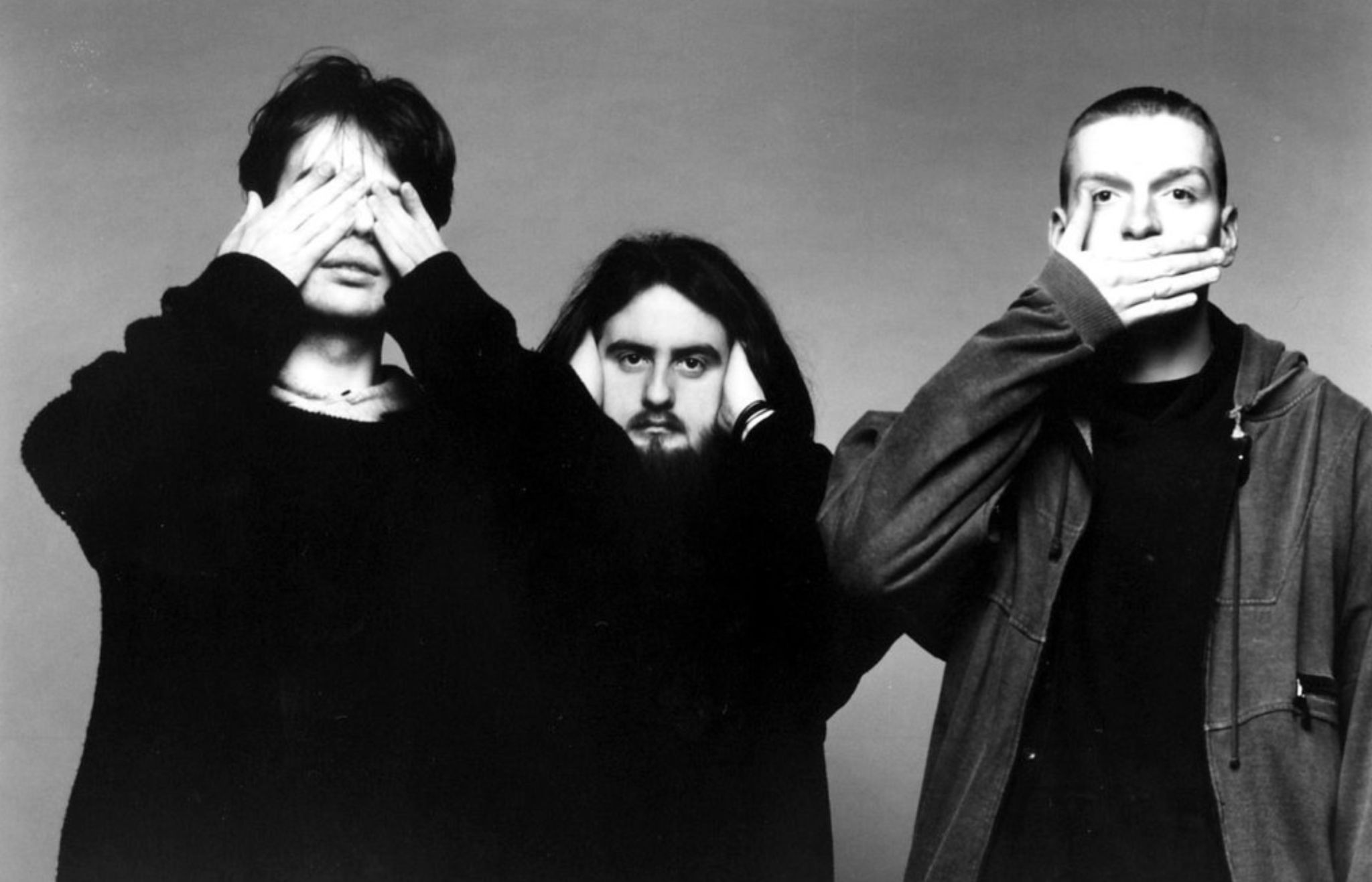
The Birmingham techno scene of the 1990s deserves special mention; it is now often referred to simply as the ‘Birmingham sound.’ Unlike the more ‘danceable’ house or classic club techno, the local sound was cold, minimalist, and so austere that it seemed as though it had been recorded specifically for people who were tired of emotions.
Producers such as Regis and Surgeon pioneered a style that had a profound influence on European electronic music, particularly the Berlin scene. The irony is that music born in a city of factories and old industrial estates ended up providing the soundtrack for Europe’s trendiest techno clubs.
And, of course, Birmingham wouldn’t be Birmingham if it weren’t constantly experimenting with music. Projects emerged here that blended industrial, noise rock, dub, ambient, and metal in such proportions that music journalists sometimes spent more time trying to come up with a genre than describing the music itself. For example, Scorn combined heavy metal with dub and ambient elements, creating an almost hypnotic sound.
Birmingham’s Music: Industrial Chaos as Art
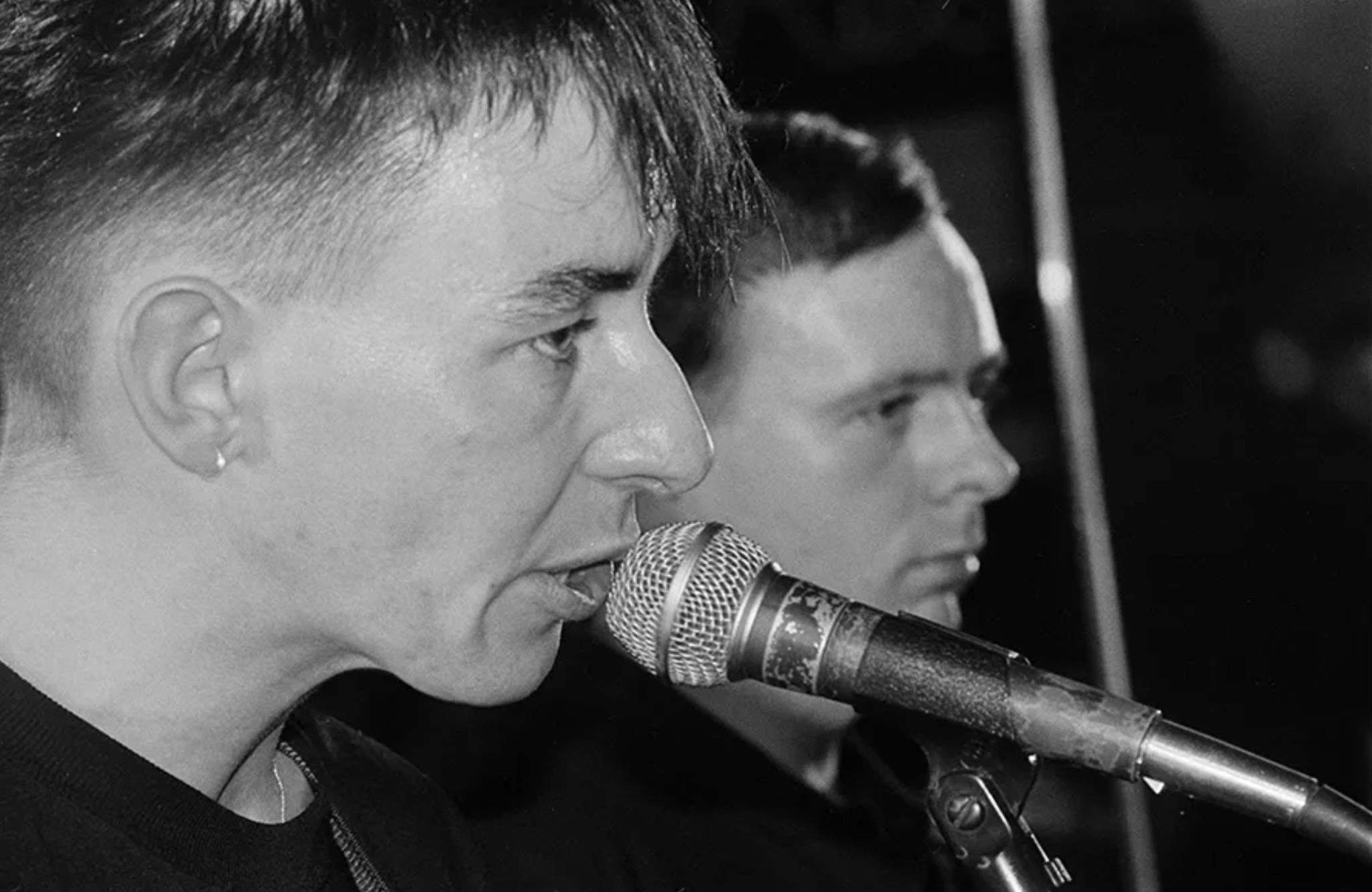
And the most interesting thing here is not even the number of genres, but the extent to which the Birmingham scene has influenced global music. Without it, modern industrial metal, extreme metal, parts of the electronic music scene, and even some forms of experimental music would sound completely different today.
Whatever way you look at it, the city has long been one of the most musically influential in the UK. And not just thanks to ‘classic’ genres, but also because of the alternative scene that grew here, so to speak, naturally. And it appears that the city’s industrial status played a significant role in this. Factories, working-class neighborhoods, noise, harsh urbanism, and the atmosphere of a major industrial centre ultimately gave the world a kind of music that learned to transform this chaos into a distinct aesthetic.
Sources:
- https://daily.bandcamp.com/scene-report/birmingham-dark-techno-album-guide
- https://metaloda.com/in-the-pursuit-of-heavy-metal-the-birmingham-chronicles-part-1/
- https://www.birminghammuseums.org.uk/stories/photographing-the-birmingham-music-scene
- https://birminghameastside.com/the-west-midlands-gave-birth-to-heavy-metal-but-50-years-on-how-metal-is-the-region-now/