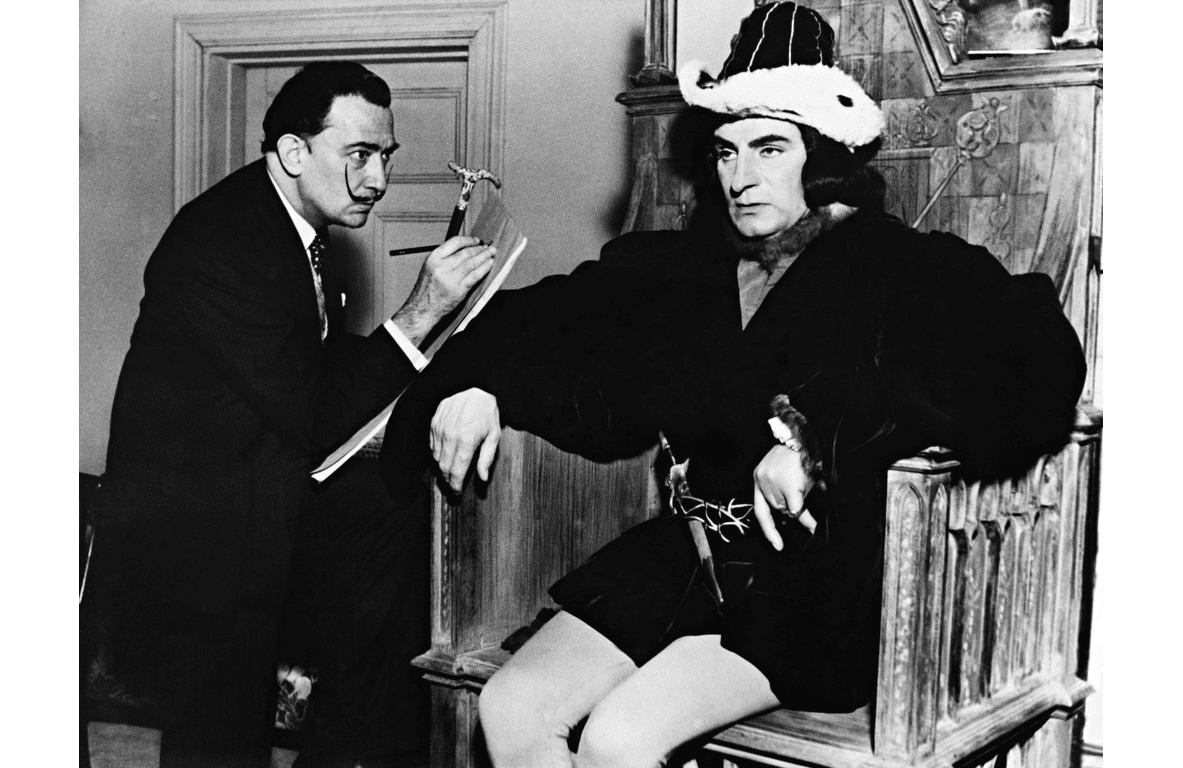
Laurence Olivier was one of the greatest actors of the 20th century. He demonstrated a brilliant on-stage and on-screen performance. His legacy is so diverse that he can be rightly called the master of transformations. He perfectly played kings and thieves, heroes and villains. The actor was convincing in any emotion, from love and joy to hatred and despair. His unparalleled creative activity in the theatre of Birmingham, which forever changed the theatrical life of the city, remains a little-known fact from the actor’s biography. Learn more at birmingham-trend.
FORMATION AS AN ACTOR
Laurence Olivier was born in Surrey in 1907. His father, Gerard Olivier, was a priest of the Anglican High Church, which respected the formality and splendour of worship. He liked to be addressed as Father Olivier. Thus, he spoiled relations with other Anglican communities, which didn’t support such an excessive pomp. Therefore, the family often moved in search of a community worthy of his father. Before becoming a pastor, Gerard Olivier thought about a career as an actor. He had a certain charisma, which was manifested in his dramatic sermons. Laurence mentioned that he most likely inherited his acting skills from his father. Gerard perfectly mastered the art of transformation. He spoke loudly about the torments of Hell and quietly about the Holy Spirit. He even managed to insert a joke or show sentimentality. Despite the difficult relationship with his father, Laurence was amazed by his acting talent.
In 1916, Laurence was accepted into the choir school at All Saints Church in London. He liked to watch the somewhat theatrical services of the High Church and to complement the masses with singing. At the age of ten, Laurence made his debut in the school play Julius Caesar as Brutus. The audience noticed a talented boy from his first performance. It was attended by such famous British actresses as Helen Maud Holt and Ellen Terry. Young Laurence also played female roles, in particular in Twelfth Night and The Taming of the Shrew. During 1921-1924, he studied at St Edward’s School in Oxford. There, the young man demonstrated an impressive performance in the play A Midsummer Night’s Dream. In 1924, Laurence’s older brother went to India and he missed him very much. He once asked his father if he could go there too. The answer was,
“Don’t be such a fool, you’re not going to India, you’re going on the stage.”
THE FLOURISHING OF ACTIVITY
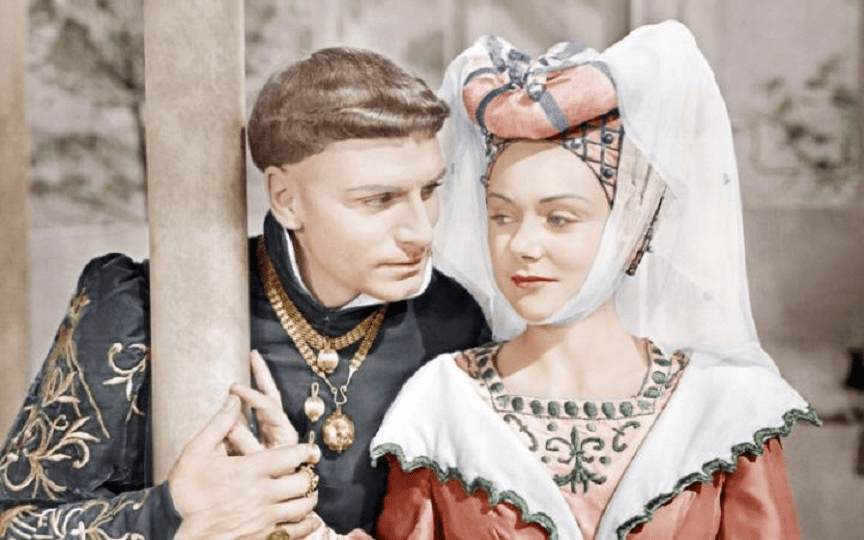
In 1924, Gerard Olivier decided that his son should study acting. However, he had to get a scholarship, since the cost of education was prohibitive for the family. Laurence managed to pass his exams successfully and continued his education at the Central School of Speech Training and Dramatic Art in London. In 1925, Laurence participated in the tour. Later, the famous actor Lewis Casson suggested he become a bit-part player. Thus, Laurence Olivier became an understudy of the London troupe and an assistant stage manager. In 1926, he was invited to the Birmingham Repertory Theatre, where he got the opportunity to reveal his talent to the fullest. In 1927, Laurence brilliantly played diverse roles, including the shy Tony in She Stoops to Conquer, the main role in Uncle Vanya, the aristocratic Parolles in All’s Well That Ends Well and many others. In Birmingham, Laurence found new acquaintances, in particular Ralph Richardson, who became his best friend. Some critics argue that they played an exceptional role in the development of British theatre. In 1928, Laurence Olivier made a full-fledged appearance on the stage of the Royalty Theatre in London. Many actors could only dream of it.
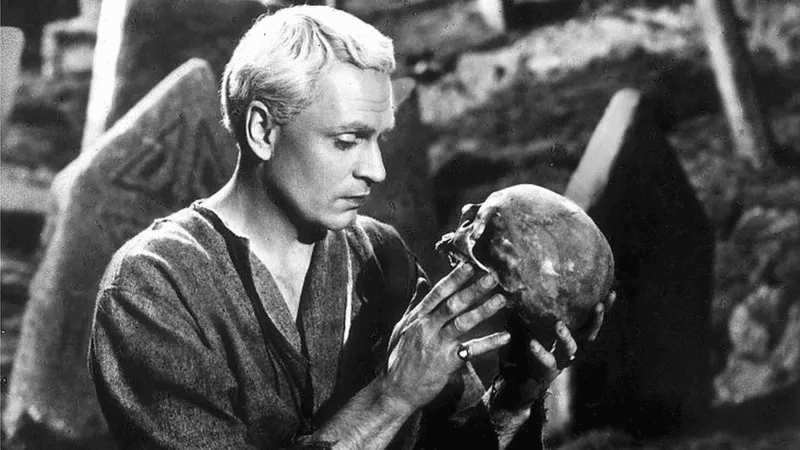
In the following years, Laurence became the most sought-after on-stage and on-screen actor. He also proved himself as a director, staging 38 plays and shooting six films. He played more than 100 roles in the theatre and 60 in the cinema.
Laurence Olivier died in 1989 and was buried in Westminster Abbey. After his death, he appeared on the screen in 2004 in the film Sky Captain and the World of Tomorrow thanks to the latest computer graphics. Thus, he proved that his acting skills could be manifested even after his death.
The name of Laurence Olivier is forever etched in the history of art. He was one of those who made the world a better place, at least for a while. His legacy continues to inspire and amaze people all over the world.