


As of 2022, Birmingham City University had approximately 10,000 students from 100 countries around the world. The university also has an acting school. Acting students study at Ruskin Hall in Bornville and at the Royal College of Digbeth, located in Birmingham’s creative quarter. It should be noted that students also have access to teaching facilities on the extended campus in the city centre, including the Royal Birmingham Conservatoire, the Curzon and Parkside buildings. For more details about the educational institution and the nuances of studying there for future stars of the stage and cinema, visit birmingham-trend.com.
Raskin-Gol in Borneville
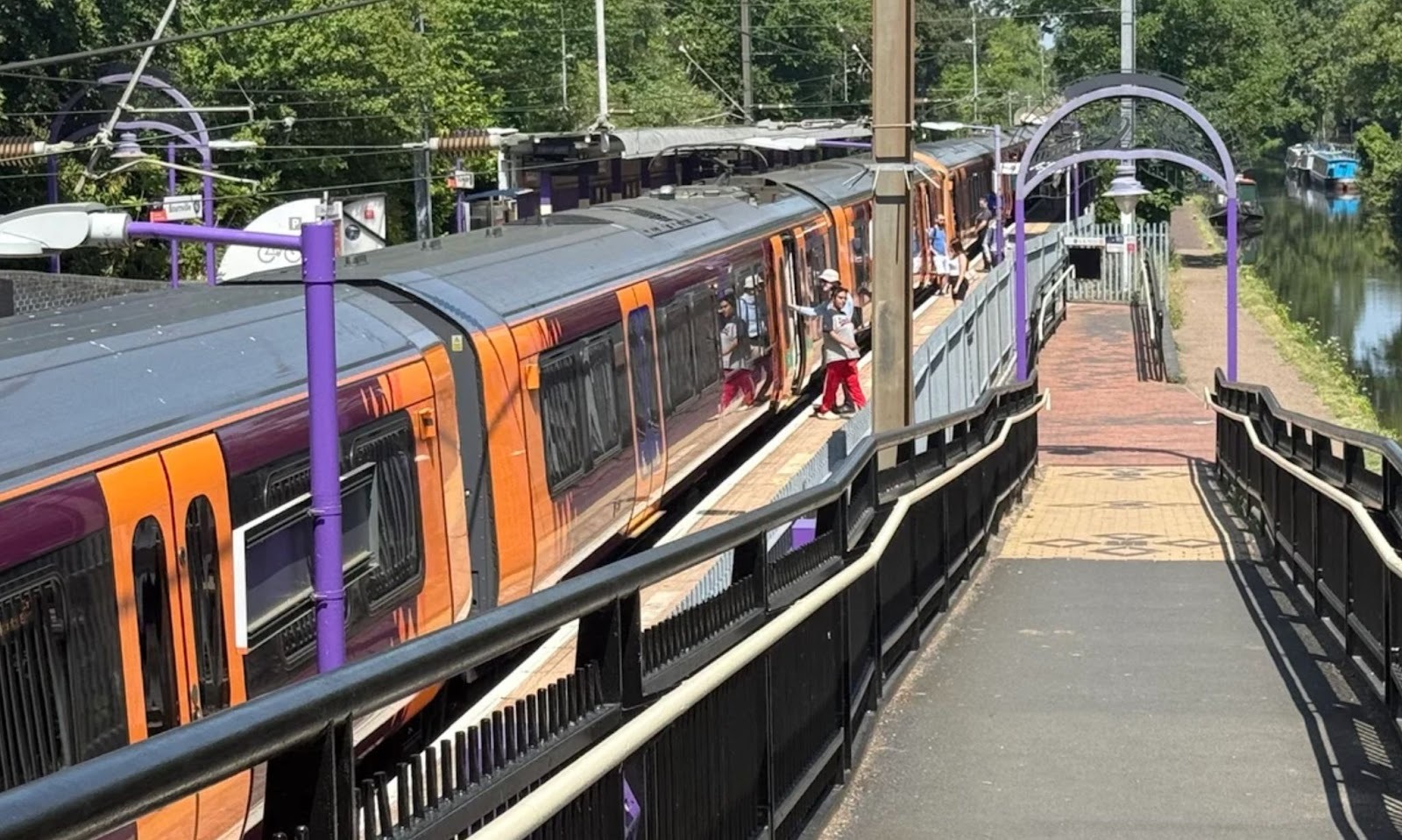
Bornville is the perfect place for walks that combine the enchanting sections of Birmingham’s famous waterways with parks and city streets. It is also clear from this description that it is an ideal place for learning in general, and especially for creative professions such as acting.
To give a more complete picture of what it’s like to study at an acting school, let’s start with a description of the place where the classes are held. So, a few words about Bornville, where Ruskin Hall is located. You can get there by train. When you arrive at the purple station, you will discover a small village that was once built by a chocolate manufacturer known in these parts, as well as throughout the world. Once you arrive, you will be able to see everything that this green, history-steeped area of Birmingham has to offer.
Of course, a guide to Bornville would be incomplete without mentioning Cadbury World. It is known that the Cadbury brothers first moved here in 1879, and since then their chocolate brand has been constantly developing and growing. In Bornville, you can learn how chocolate is made, see the factory in action and enjoy a few free gifts. But if that’s not enough, it’s also home to the world’s largest Cadbury store, where you can buy treats at the lowest prices. It’s good to know this in advance.
After exploring the Cadbury chocolate empire, you can visit Attic Brew Co. Wait a minute, this is the winner of the “Best Pub in the West Midlands” competition at the National Pub and Bar Awards in 2023. Here you can enjoy several varieties of beer, knowing that they are brewed right here on the premises. In addition, this pub regularly hosts comedy nights, so it will immediately become your favourite. Add to that craft markets filled with local designers, artists, and artisans.
The Rowheath Pavilion building is a Grade II listed building and has been a landmark in the area since ancient times. That’s why coming here for such a wonderful event as a street food festival will be twice as enjoyable. Since its construction in the late 1920s, the pavilion has been home to local sports clubs and community organisations. In recent years, it has become famous for its seasonal markets, open-air film screenings, and Friday street food events, where you can find a variety of delicious treats every week.
And if you feel like letting off some steam after your workout, there is a huge playground nearby where both adults and children can play. With trampolines covering an area of about 300 square feet, dodgeball courts, huge foam pits, and giant obstacle courses, it’s easy to take your mind off your studies.
It’s just as easy to take a stroll through Bornville Park, a peaceful corner in the heart of the village. The park has played a central role in community life since 1906, when the Rural Fund first agreed to allocate space on both sides of Bornville Creek for its creation.
History of the establishment
Birmingham College of Art has its roots in the autumn of 1843. It was then, in October, that the Birmingham Society of Artists opened the Birmingham Public School of Design. That’s how it all began. By 1884, the school had become Birmingham College of Art and moved to a beautiful, purpose-built Venetian Gothic-style building on Margaret Street. Incidentally, it was designed by the renowned local architect John Chamberlain. Today, Margaret Street, where the Faculty of Arts is still located, is a Grade I listed building.
As for the Bournville College of Art itself, it was founded in the early 1900s and later merged with the Faculty of Art and Design in 1988 to form the Birmingham Institute of Art and Design. In 2014, it became part of the Faculty of Arts, Design, and Media.
Another landmark event took place in 2007 when the university changed its name to Birmingham City University and received a new logo derived from Birmingham College of Commerce, one of the founders of the Polytechnic.
School of Acting

The acting school is based in Raskin Hall, which is located near the Bornville railway station and local bus stops. This makes travelling easy and affordable. If you get hungry, there are several cafés and shops located directly opposite the building in the centre of the village. There is also a green area where students can always socialise and enjoy the scenery.
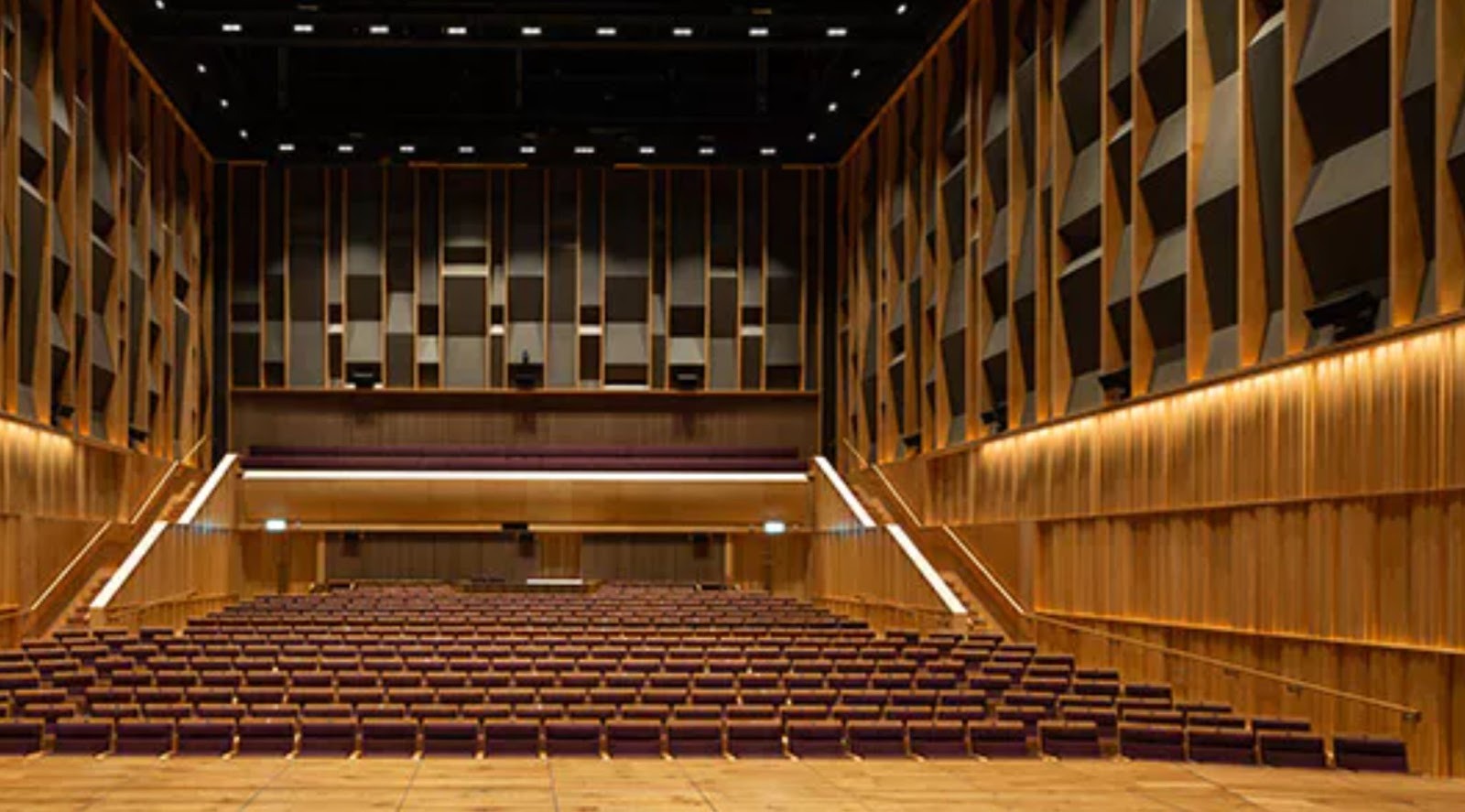
Students of acting and applied theatre courses have access to a dedicated space in the thriving Digbeth area, which is just a few minutes’ walk from New Street Station and the city centre campus. It is important to note that RBC Digbeth has a range of acoustic studios and performance spaces, including a black box studio, making it the perfect place for rehearsals and training, all located in the heart of the city.
Students also have access to modern studios and equipment throughout the campus. Parkside has four large television studios, including Europe’s largest green screen studio and a radio studio. Three of the studios offer live broadcasts from multiple cameras, and all television and radio studios can be interconnected.
Two floors of books
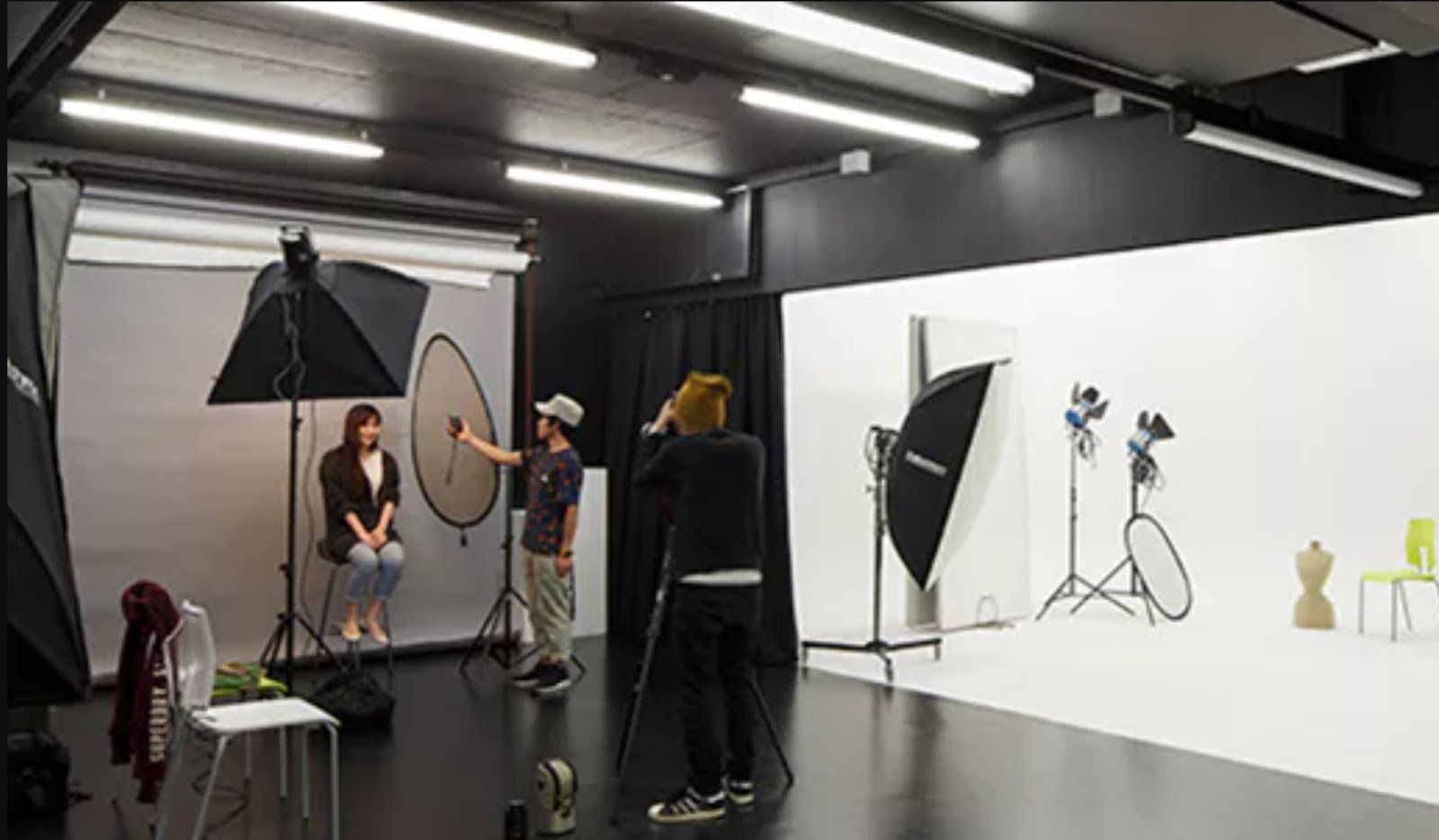
It is also worth noting that the Kerzon building houses the largest library with two floors of books, magazines and audiovisual resources. The theatre studios have technical rooms for controlling lighting, sound and atmosphere.
The most prestigious building of the Royal Birmingham Conservatoire, costing £57 million, is located on the campus in the city centre. Students have full access to all facilities, including rehearsal rooms, performance studios and acoustically modelled concert halls.
Students can also participate in and enjoy a variety of live performances offered by the conservatoire.
Performing arts students, most of whom live on Henidge Street, have access to specialised facilities for creating stage materials and productions for theatres and performances. Now, here’s a rhetorical question: who wouldn’t want to study in such conditions?
Sources: