


Today, it is a cultural centre adjacent to the iconic Birmingham Library, Birmingham Repertory Theatre and Symphony Hall. It is also the largest public square in the city, built in 1945. But, as we know, its history was much more interesting. In previous centuries, it was home to many industrial enterprises that made Birmingham famous. It is hard to believe now, but there were large glass and metalworking factories here, which used 60 steam engines until the mid-19th century.
It was on this square that John Baskerville’s house stood, a man who loved letters and everything related to them. This love allowed him to change the world of printing and bring typography into the modern era. Although Baskerville made Birmingham famous for the excellence of its printing, his character caused controversy due to his personal life. There are endless stories about this square and those who once lived here. It is no coincidence that a documentary film was made about the history of this square in Birmingham. Find out more about the film here: birmingham-trend.com.
Area with a colourful history
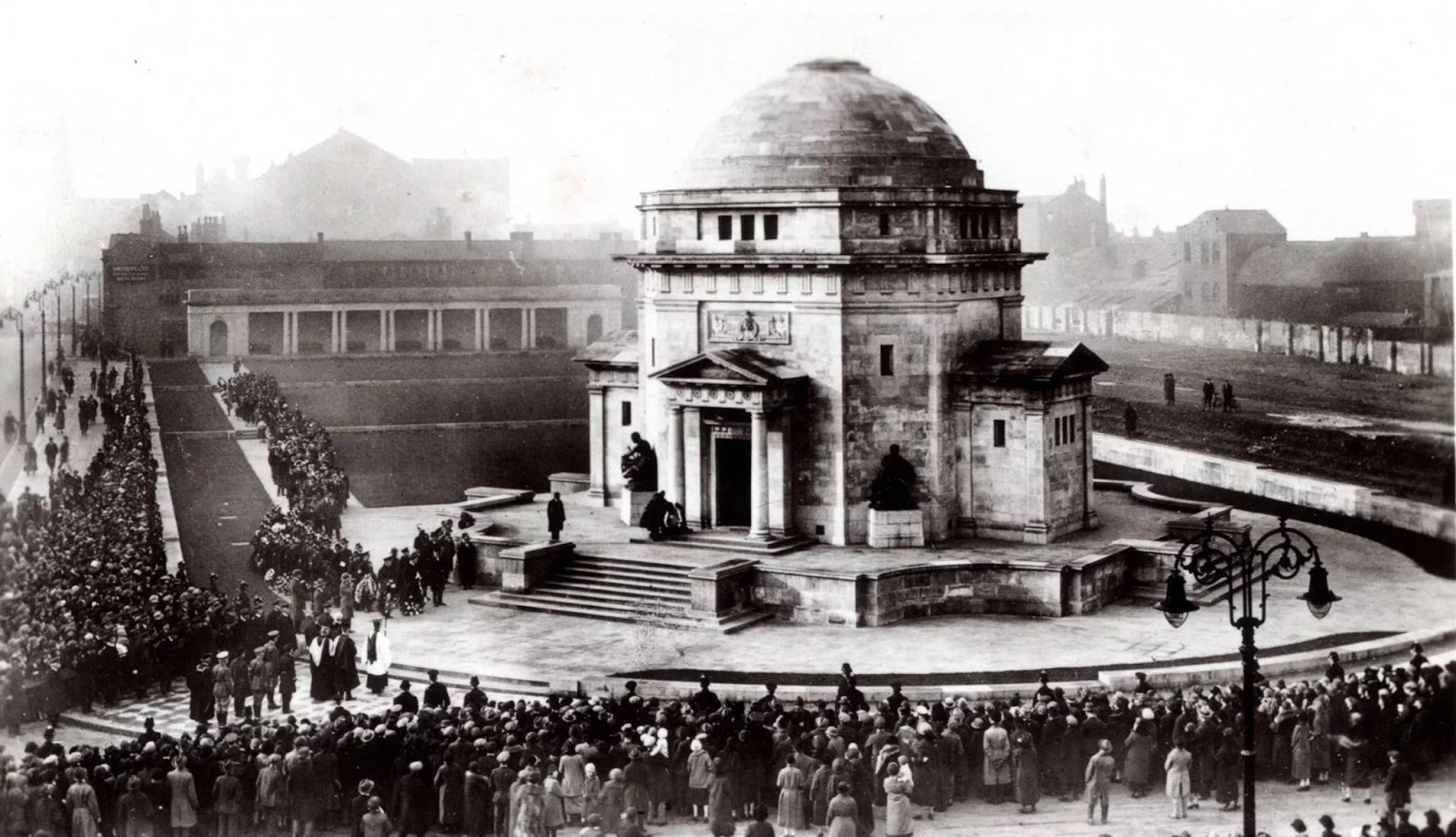
But before talking about this film, a few words about the square itself. It has changed a lot in recent years, so much so that if any of the people who founded it were to visit the area today, they would hardly recognise it and would not understand where they were. Nevertheless, this piece of land had a colourful history even before it acquired the identity of the square that everyone knows and loves today.
The aforementioned famous printer John Baskerville built his house on approximately the same spot where it stands today. He died in 1775 and was initially buried in his back garden, but was later reburied in Keighill Cemetery. His house was damaged in 1791 by a mob during the Priestley riots. Well, damaged is not quite the right word — it was burned down. It should be noted that many buildings were similarly damaged during the Birmingham riots, burning to the ground.
Joseph Priestley was a chemist who believed in tolerance towards religious dissenters and supported the American and French revolutions. But after his house was also burned down, his faith wavered, and he had to flee to America to escape reprisals.
It gets more interesting. An iron merchant named Gibson purchased the land and in 1821 built a canal through it to supply water to his milling business on Cambridge Street. The canal basin was enlarged and looked much like Gas Street does today.
Bingley House was a building constructed in 1760, but it was demolished to make way for the Station Street railway tunnel. Later, Bingley Hall was built on this site. In 1849, a temporary structure was erected here to host exhibitions of cattle and poultry, and a year later, farmers moved to the brand new Bingley Hall. However, this exhibition hall was not fortunate — the building burned down in 1984.
The site of the burned-down Bingley Hall, where cows and chickens were exhibited, was replaced by the International Conference Centre. Moreover, on 12 June 1991, the new building was opened by Her Majesty the Queen. Century Square was also rebuilt during those years. A rather controversial statue called “Forward” by Raymond Mason appeared here. The monumental composition was made of fibreglass. It stood until 2003, when it was discovered that fibreglass burns. It was burned down by arsonists.
In 1972, the Birmingham Rep Theatre moved from its original location on Station Street to a new 901-seat theatre on Broad Street. Malala Yousafzai, a teenager who was wounded by the Taliban in Pakistan, opened Birmingham’s landmark library on 3 September 2013.
Reality square metres century
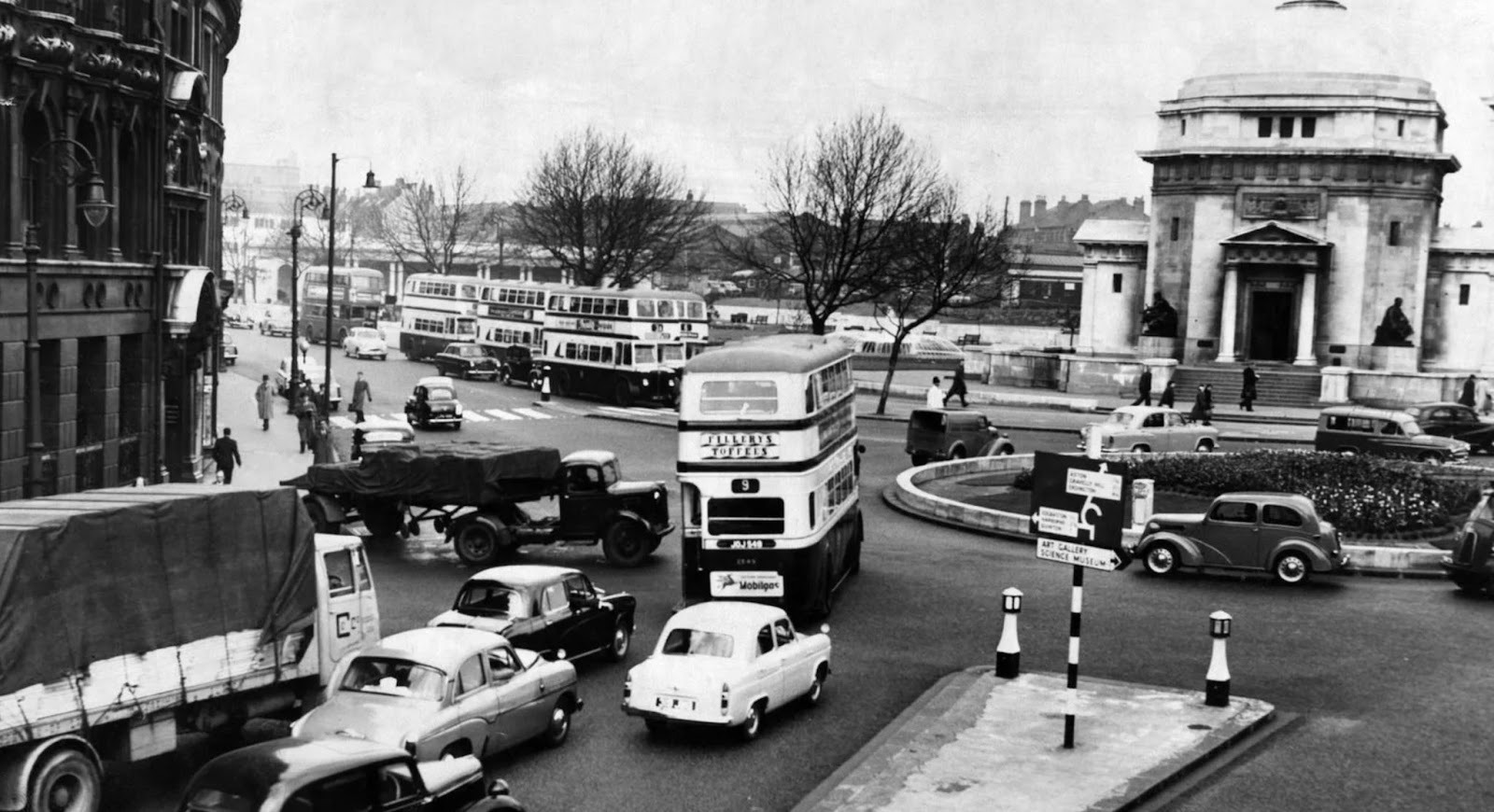
As we can see, over the centuries, this area has undergone significant changes, and now it has become more popular than ever before. The latest change was the opening of fountains and the placement of a television studio in the area, which covered the 2022 Commonwealth Games. The square was also the first home of Ozzie the Bull, before he finally, and perhaps permanently, moved to Station Street.
A new documentary film, The History, and Genius of Birmingham’s Centenary Square, was filmed in June 2023. It is a television video in the style of a documentary film. Its authors set out to explore the proud and colourful history of Centenary Square at the end of Birmingham’s “golden mile” on Broad Street.
The film takes place in a large open space, surrounded on one side by Baskerville House, Birmingham Library, Repertory Theatre, Symphony Hall and International Conference Centre.
Across the road and tram tracks is the national headquarters of The Hongkong and Shanghai Banking Corporation. It is followed by the Stock Exchange, the former banking halls, which the University of Birmingham has renovated into its meeting centre, a café, and the majestic Hyatt Regency Hotel.
And in the square itself is the Memorial Hall, which has stood for 98 years as a memorial to the men and women of Birmingham who gave their lives in the First and Second World Wars. They were in active service until 1945. 1945. Other features include a gilded bronze statue of Boulton, Watt, and Murdoch. These are the three engineer-entrepreneurs who contributed to the development of mechanics and the industrial revolution. They brought fame to Birmingham.
There is also a huge fountain lake, which creates a wonderful summer atmosphere and brings joy and laughter not only to children but also to adults. All this is told in a new documentary film dedicated to Birmingham, and more specifically to Centenary Square.
Historian’s commentary
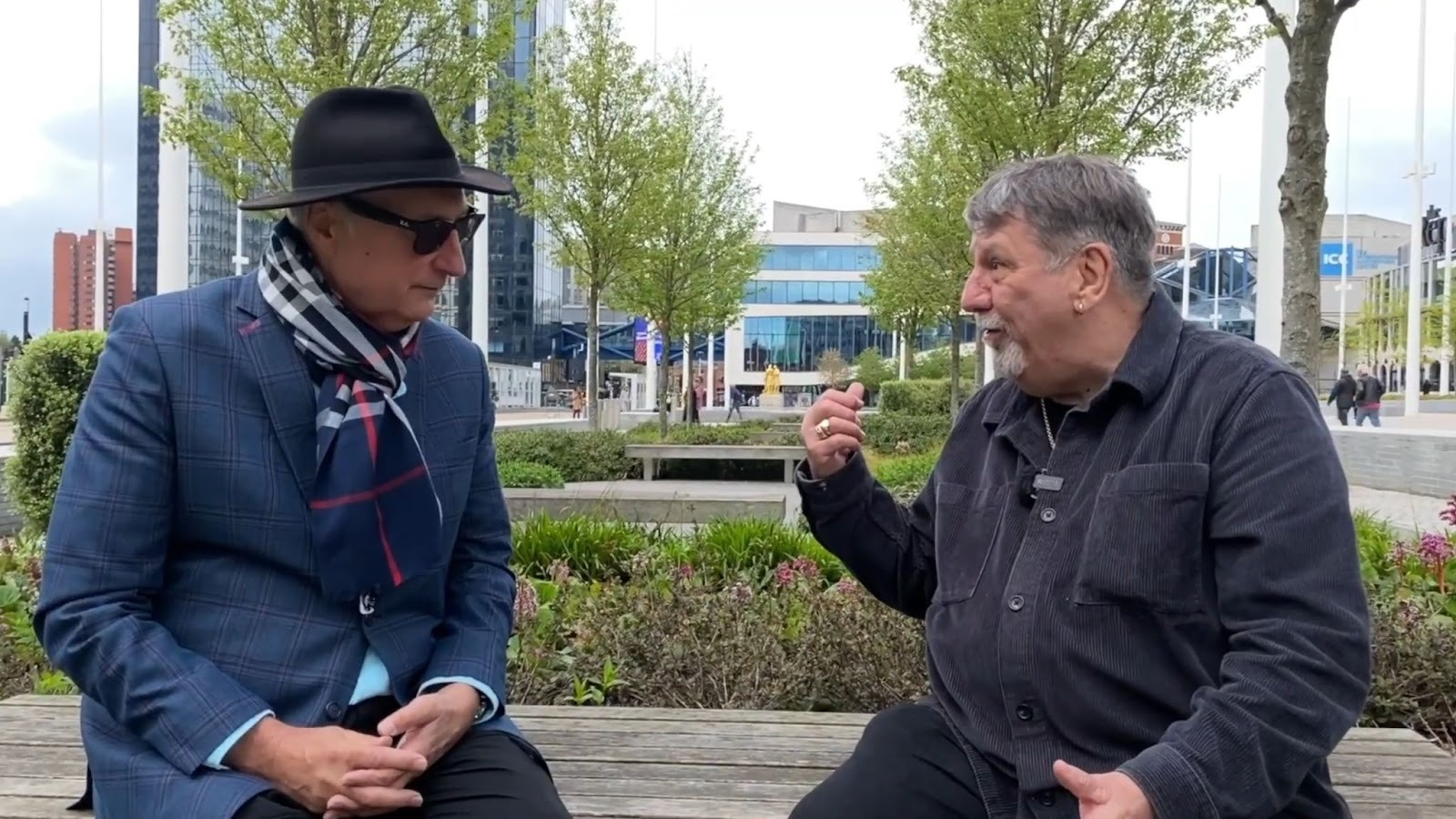
Renowned historian and television presenter Dr. Carl Chinn asserts that this was not always the case. He is the protagonist of a six-minute mini-documentary that opens a window into the neighbourhood’s past. Incidentally, the film was shot by local television on behalf of the Westside Business Improvement District.
Dr. Chinn explains that before this place was renamed after Birmingham received city status in 1989, there was also a square here, but it looked completely different. The film features a fascinating interview with Dr. Chin by Westside BID General Manager Mike O’Leary. In it, he talks about the aforementioned Bingley Hall, which once stood on the site of The International Convention Centre, next to various old factory buildings.
It turns out that the Eagle Foundry, which later became the Municipal Bank, once stood and operated on the site where the Exchange now stands, and behind it was Cadbury’s original main factory on Bridge Street. Every building has a story to tell. Dr. Chinn adds that Broad Street was almost the most important manufacturing street in Birmingham, as it was home to a large factory involved in the production of screws, namely Nettlefolds and Chamberlain.
Decline and spectacular revival
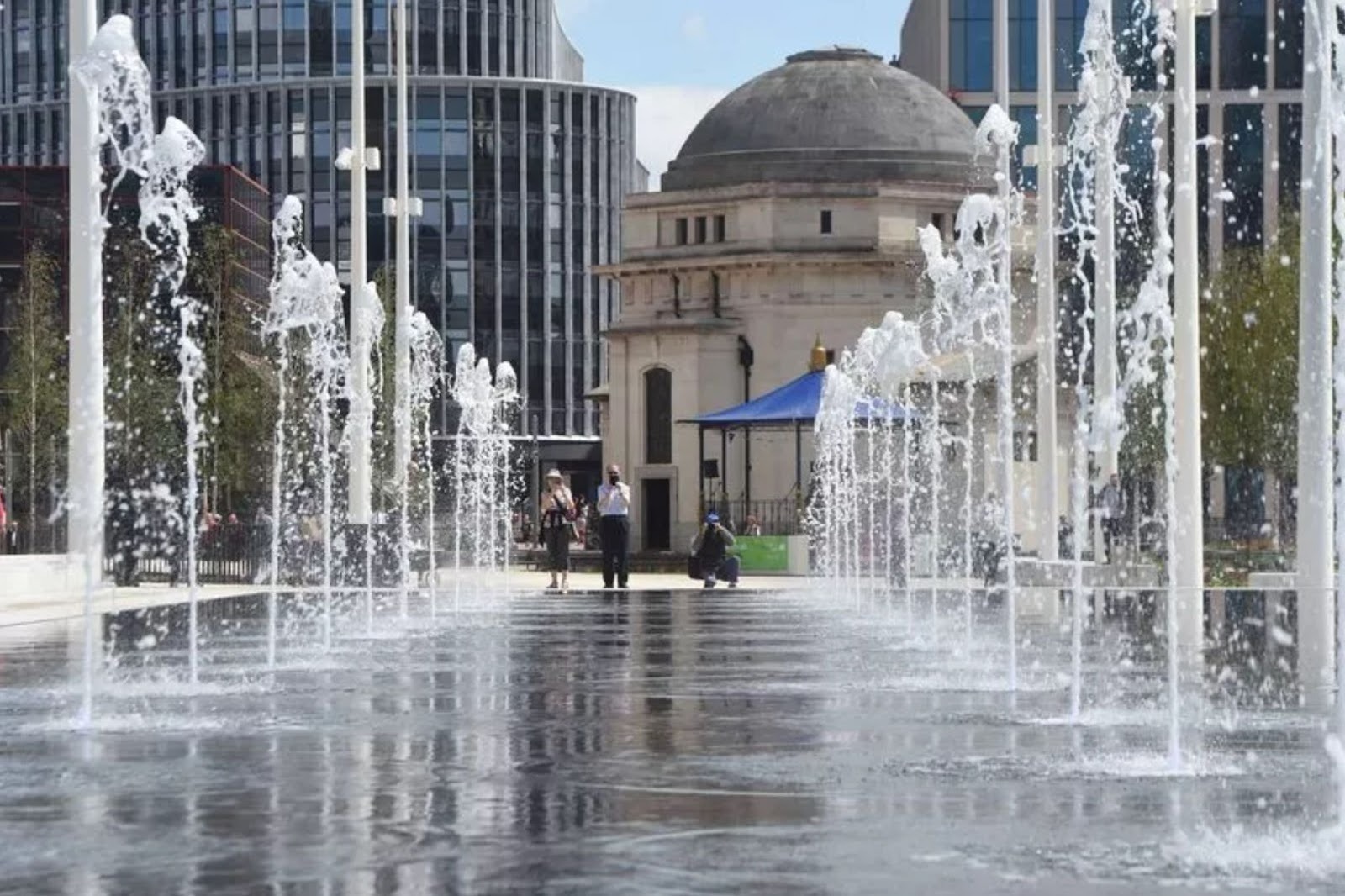
But then came the 1970s and 1980s, when the canals were in complete disarray, the International Convention Centre and the Repertory Theatre did not yet exist, and the development of Broad Street as the “golden mile”, i.e. the emergence of restaurants, bars, and clubs, was still a long way off.
The documentary also features an interview with Jim Wilson, the man who built the new Centennial Square. Mr. Wilson recently retired from his position as project manager for the city council. He recalled how he convinced the council to hold an international design competition for the creation of Centennial Square, which received 185 entries from 32 countries.
Sources: