


Cinematography arrived in Birmingham almost immediately after its birth at the end of the 19th century. It is known that it was then that the first demonstrations of “moving pictures” took place in the city, which were very well received by viewers and were considered nothing less than a technical sensation. Short films were shown in concert halls, theatres and fairground pavilions. Audiences flocked to see this spectacle. By the beginning of the 20th century, cinema had begun to transform into a mass industry.
Specialised cinemas opened in Birmingham, one of the most famous being the Electric Cinema, founded in 1909. It is considered one of the oldest cinemas in Great Britain. By the interwar period, the city already had dozens of cinemas, ranging from large, luxurious halls in the centre to small neighbourhood cinema pavilions. It was in this environment that the idea of film clubs gradually took shape—places where you could watch intellectual and experimental films and discuss them, but read more about this at birmingham-trend.com.
It is not surprising that cinema became the main form of leisure for many Birmingham residents. Workers, office staff and students would come to evening screenings to watch Hollywood films or British musical comedies. Along with this mass popularity, another trend emerged: some viewers began to perceive cinema as an art form that deserved to be taken more seriously.
Film clubs as a new format of film culture
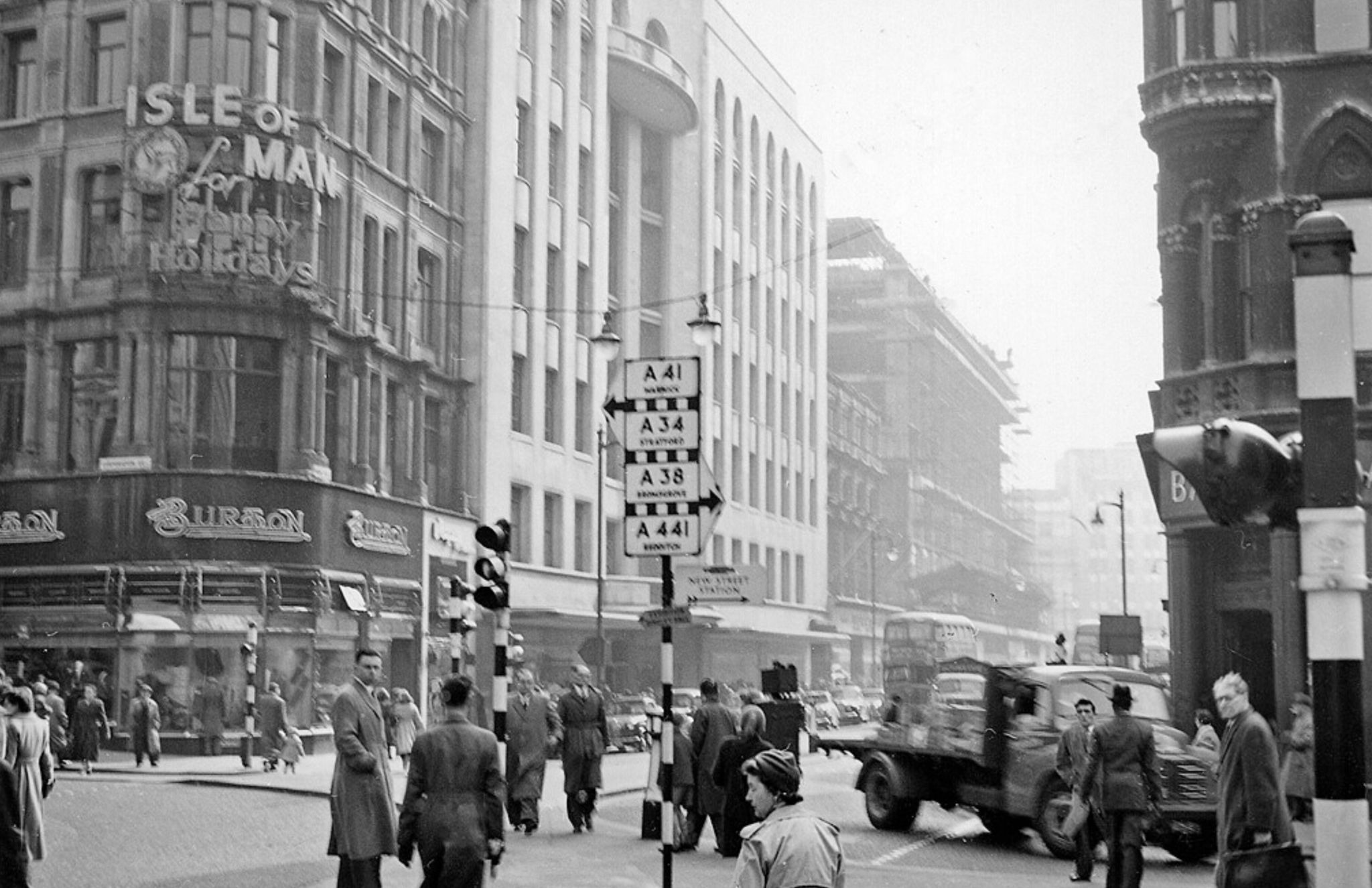
In the 1920s and 1930s, a film club movement began to form in Europe and Great Britain. They were created by enthusiasts who wanted to introduce the public to films that were rarely shown in commercial cinemas. These could be French avant-garde films, Soviet montage cinema, German expressionism, or simply documentaries.
Film clubs operated under special rules. Formally, they were private organisations, so screenings were only open to club members. A person had to pay a membership fee and receive a ticket or membership card. This system allowed organisers to show films outside the framework of regular cinema distribution.
Usually, the club’s activities were managed by a small committee. Its members were elected at meetings and were responsible for putting together the programme of screenings, renting the hall and financial matters. Often, it was they who decided which films to show, and after the screenings they sometimes organised heated discussions.
The audience of film clubs was quite diverse. Here you could meet university students, journalists, artists, architects and teachers. Many were attracted by the opportunity to watch films that were not shown in regular cinemas and to discuss them with people who shared similar interests.
Birmingham Film Society and the story of its creation
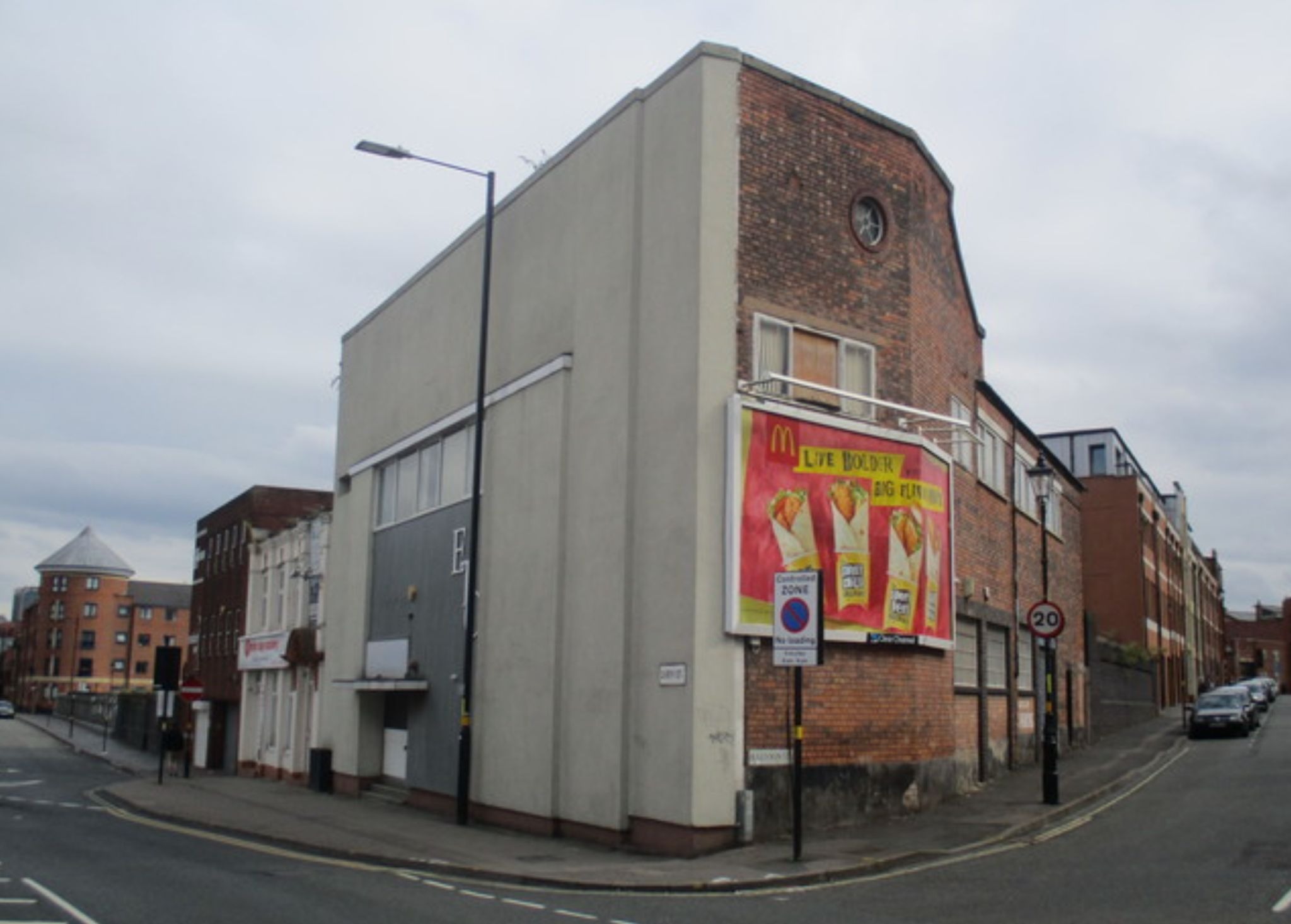
Therefore, during the interwar period, when film societies were actively developing in Great Britain, the first film clubs also appeared in Birmingham, including the Birmingham Film Society. It was created by several film enthusiasts, including a young city council employee named Stanley Hous.
The club’s first screening took place on 18 January 1931 at the Hampton Cinema, near Snow Hill station. From the outset, the organisers sought to show films that were virtually impossible to see in commercial cinemas. The programme included works by European directors, documentaries and experimental films.
The idea proved to be quite successful. Within a few years, the Birmingham Film Society became one of the most active film clubs in Great Britain. In 1934, the club had over five hundred members, and on the eve of World War II, their number grew even more—to approximately seven hundred.
The club’s meetings became real cultural events in the city. After the screenings, participants often stayed to discuss the films, argue about new cinematic trends, and learn about the work of directors who were virtually unknown to British audiences at the time.
The Story of Stanley Hous
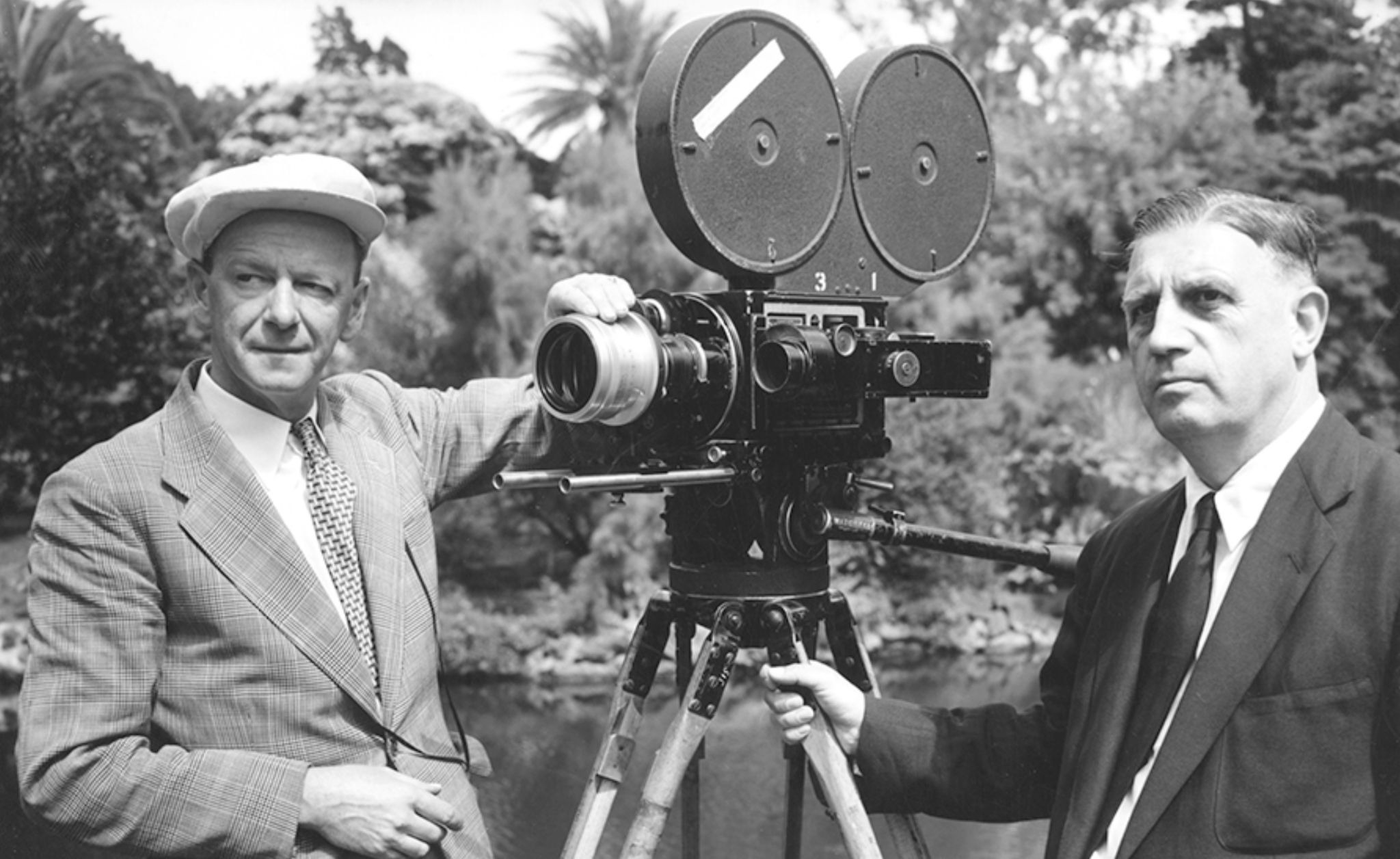
Among the active participants in the film club movement at that time was a young filmmaker named Stanley Goose. He was a well-known film producer and organiser of film production, born in Birmingham in 1900. An interesting fact is that he did not initially work in cinema, as at the beginning of his career, Hawes was an employee of the Birmingham city administration.
However, his true passion was cinema. Alongside his work, he took an active interest in cinematography and was part of a circle of enthusiasts who sought to popularise auteur and documentary cinema. It was this interest that led him to participate in the creation of the Birmingham Film Society.
The film club environment, where new films were discussed and directors were met, became an important part of his professional development. Later, Gowz moved on to work in cinema and became one of the prominent figures in documentary filmmaking. In the 1940s, he moved to Australia, where he headed the state film organisation and contributed to the development of Australian documentary filmmaking.
Working at the film club gave Gozu the opportunity to get acquainted with European and experimental cinema, and communicate with film critics and screening organisers. This environment effectively became an informal school of cinema for him. It is therefore not surprising that he later moved on to professional work in the film industry, specialising in documentary films.
In the 1940s, already living in Australia, Gowse headed a state film organisation producing documentary films.
The role of film clubs in Birmingham’s cultural life
But what about film clubs in Great Britain and Birmingham? Over time, organisations such as the Birmingham Film Society began to play an important role in the cultural life of cities. They created an environment for film buffs, directors and critics and often became a breeding ground for ideas for future festivals. Many modern film festivals grew out of small club screenings organised by enthusiasts.
One example of this development of film club culture in Birmingham is the Flatpack Film Festival. It began in 2006 with small film screenings organised by independent film enthusiasts in urban art spaces, galleries and clubs. Initially, these were small-scale events for a limited audience, very similar in spirit to traditional film clubs.
Over time, the initiative has grown into a full-fledged international festival combining auteur cinema, animation, experimental films, and discussions with directors.
Birmingham film clubs and the present day
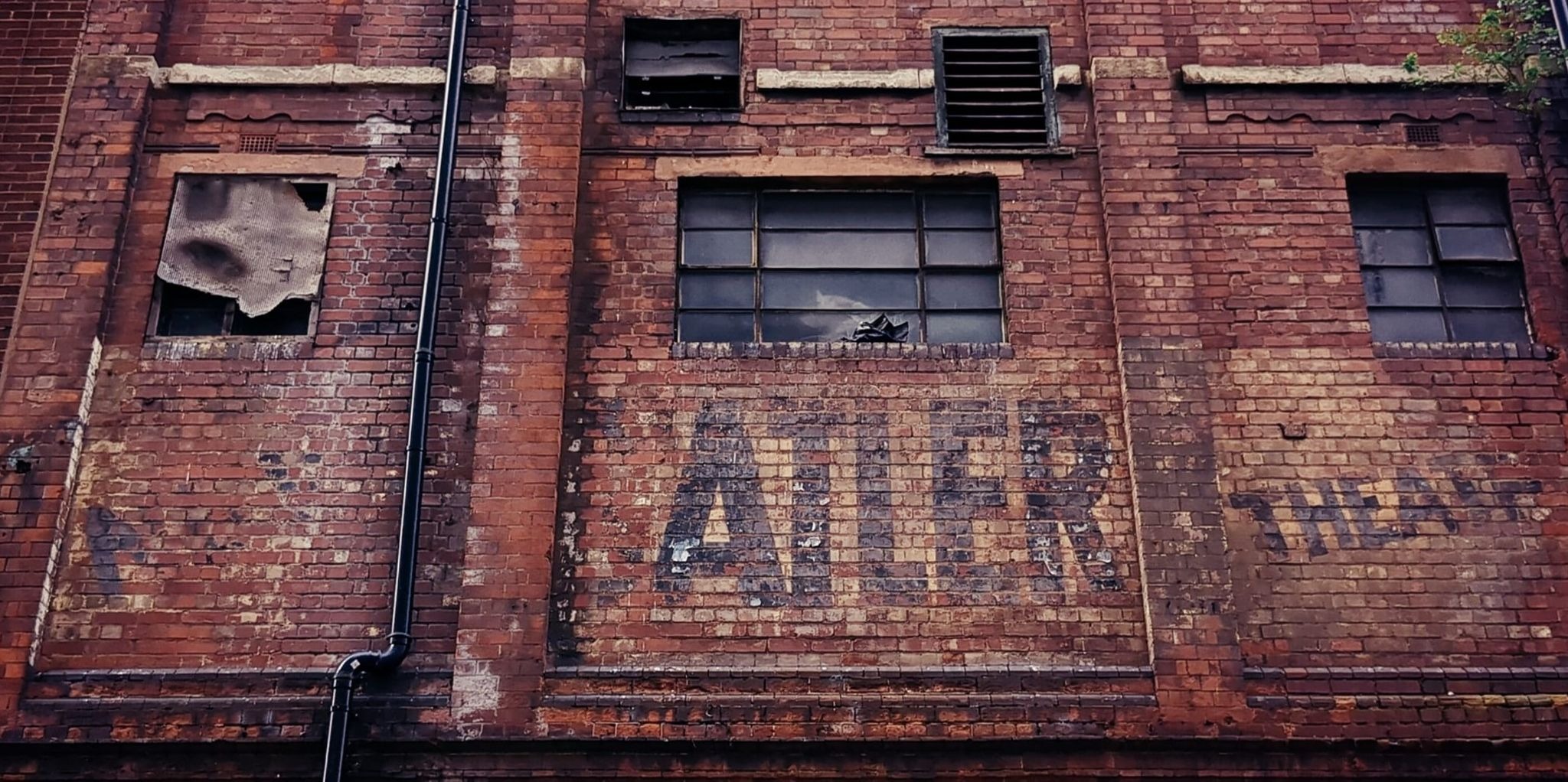
This tradition continues in Birmingham today. The city regularly hosts independent and arthouse film festivals, and film clubs operate at universities, cultural centres and cinemas. Although the formats of the screenings have changed, the main idea remains the same: to bring together people who want to watch films not only as entertainment, but as art and a topic of conversation.
The history of Birmingham’s film clubs demonstrates how a small initiative by a few enthusiasts can become an important part of a city’s cultural life—and remain relevant even almost a century after its inception.
Sources: