


The film takes place immediately after the end of World War II, but the events depicted in the film occurred during the war. A young journalist uncovers the facts and details of a shocking massacre, during which 22,000 Polish officers were executed by Soviet troops. Risking everything, he decides to expose the truth about one of Joseph Stalin’s most horrific crimes. The film was shot in Birmingham. For more details, visit birmingham-trend.com.
The Katyn tragedy
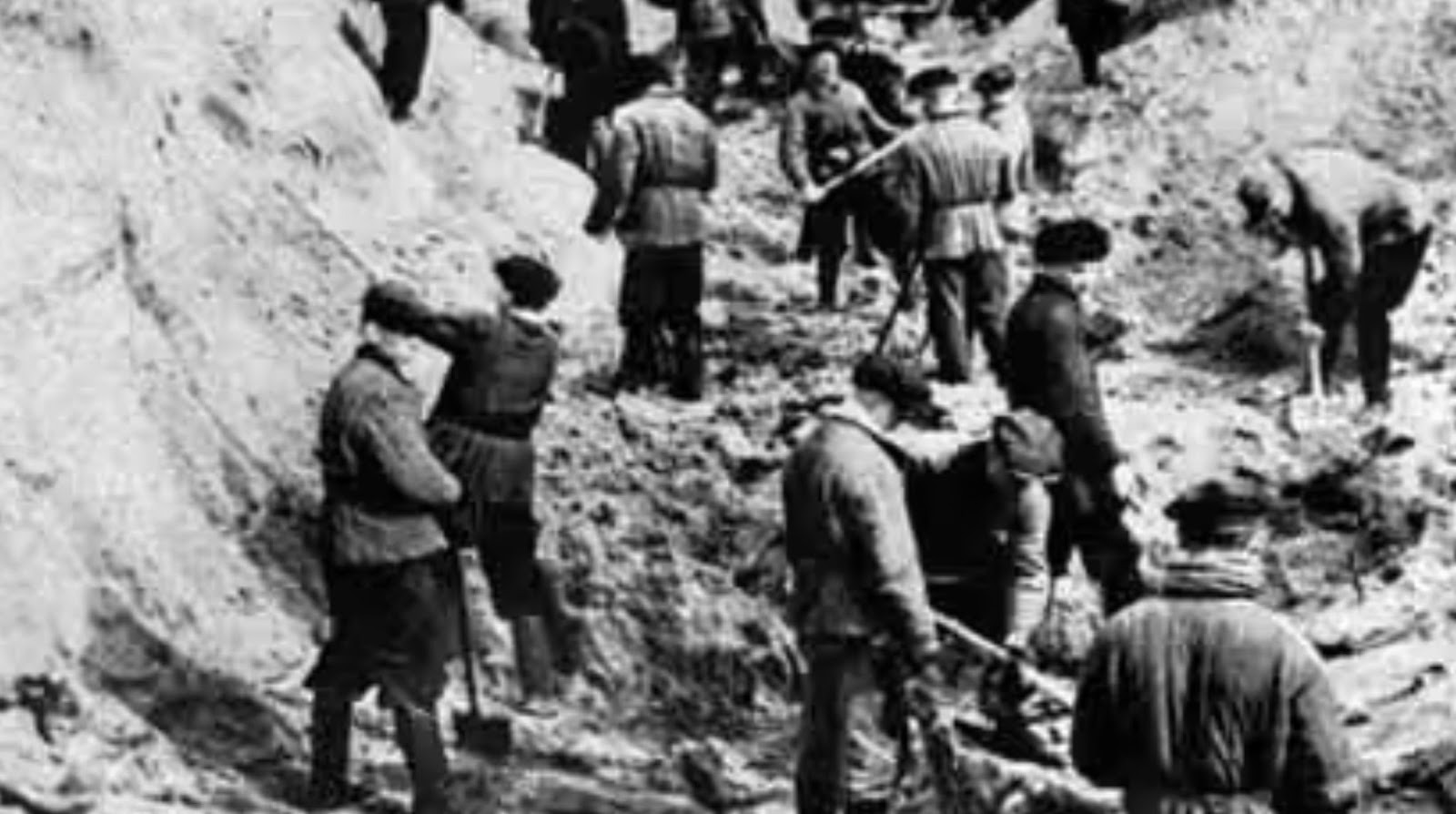
We are talking about the film “The Last Witness”, which was released in 2018. It is a drama, or, as some media outlets wrote, a Katyn thriller. It is based on real events, or in this case, on the real tragedy of the Polish people and their defenders. In April-May 1940, one of the greatest war crimes of World War II was committed by the leadership of the Soviet state.
On the orders of the country’s leaders, more than 22,000 Poles, mostly officers of the Polish army, were executed without trial. All of them were captured in the autumn of 1939. Since the most famous and largest site of the executions was the Katyn Forest near Smolensk, the tragedy became known as the Katyn Massacre. However, it later became known that mass executions of Polish soldiers also took place near Kalinin, as the city of Tver was then called, and in Kharkiv.
When in September 1939 the allies, namely Stalin’s USSR and Hitler’s Germany, divided Poland between themselves, almost a quarter of a million Polish soldiers were taken prisoner by the Soviets. The prisoners were handed over to the NKVD, even though this violated all international norms in force at the time. Officers, sergeants, police officers and prison staff were placed in specially created camps.
In March 1940, the Soviet Politburo of the Central Committee of the All-Union Communist Party (Bolsheviks) decided to shoot the prisoners. They were declared inveterate and incorrigible enemies of Soviet power. Then, over a month and a half, from April to mid-May, historians estimate that executioners shot nearly 22,000 Polish officers, sergeants, and border guards.
But in the spring of 1943, when these places were occupied by the Germans, the world learned about the mass murder of prisoners and the burial of Polish officers in a forest near Smolensk. This crime became known as the Katyn tragedy. This was the name of the nearest village, near which the mass graves were found. Later, after other mass graves of Polish prisoners of war were found and secret documents were made public, the term “Katyn crime” began to be used much more widely.
The Soviet leadership denied any involvement in the mass murder. In 1943, the Radinformburo stated that reports of the Katyn massacre were nothing more than Goebbels’ propaganda. After Hitler’s army retreated from Smolensk, the Chekists conducted their own investigation. The result was as expected — the Poles had been shot by German occupation forces.
As a result of the work of a specially created commission, observers were shown letters and documents allegedly found on the bodies of the dead, dated spring and summer 1941. An exhumation and examination of several corpses was carried out in front of witnesses, but no one saw where exactly these bodies were dug up, they had no documents with them and were dressed in winter clothes.
Then a press conference was held on this occasion, but the Chekists were unable to explain the obvious inconsistencies. In the end, the final documents urgently changed the time of the execution to September-December, but the witnesses’ statements still contained the spring and summer dates.
Low-budget film
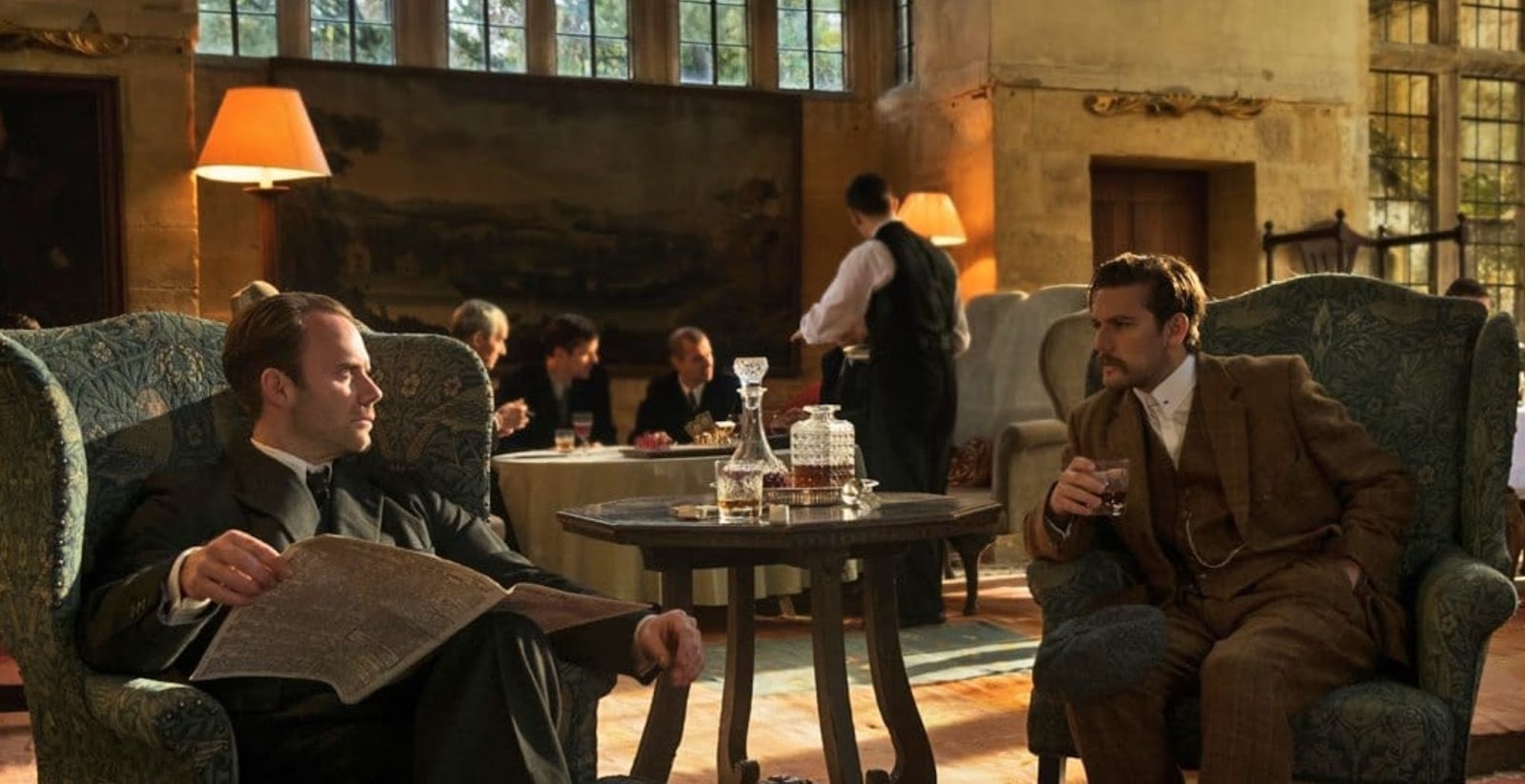
It was these events from 85 years ago that the filmmakers used as the basis for their film. The film is a low-budget military drama that was shot in the West Midlands in just 18 days. The filming schedule was very tight — there was absolutely no time for reshoots or replacements. The lead actor, Alex Pettyfer, was unavailable after the last day of work because he was already expected on the set of another film in the United States.
In order to stay on schedule and within budget, director Piotr Szkopjak and cinematographer Edward Aimes did a lot of preparatory work. According to Edward, they conducted thorough technical reconnaissance. Over two days, they reviewed every scene and every location using the reliable Artemis viewfinder. All camera positions, angles and lenses were planned in advance.
Such meticulous work allowed the filmmakers to know in advance exactly how and which scenes they would shoot when it came time to shoot the scenes. All of this obviously helped to significantly reduce filming time and stay within budget. The authors emphasise that everything was done with absolute ease and without the chaos that is usually present in such cases.
Much of the credit for this goes to the wonderful production designer Nick Turner. He and his team were tireless. The cinematographer and production designer worked side by side — this is really the only way to get something done, even on a budget that is far from huge.
Technical support
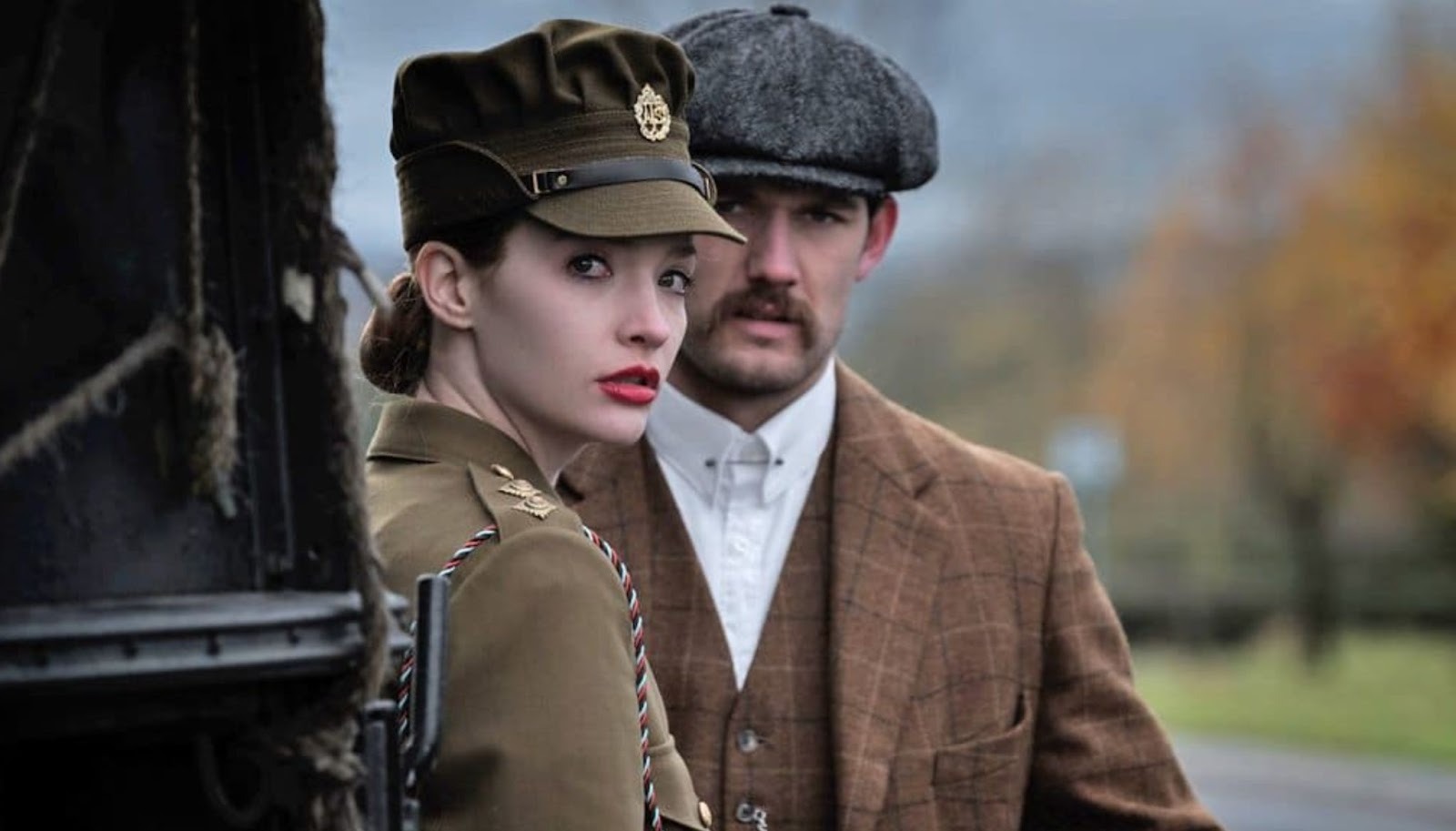
Initially, they wanted to shoot the film on 16 mm film and then enlarge it to 35 mm, but due to time constraints, the authors ultimately opted for the digital version. Cinematographer Edward Aimes was equally quick to choose a camera for the job. He says he chose between two cameras — Red or ARRI Alexa.
Having considerable experience working with both, Edward nevertheless preferred Red, but from an ergonomic point of view, he still chose Alexa. Another incentive for choosing this particular camera was the fact that Roger Deakins used it to shoot his famous Skyfall, so there was no reason not to use it in Birmingham.
Edgar also said that he chose Leica Summilux C 18 mm, 25 mm, 35 mm, 50 mm, 75 mm and 100 mm lenses with a fixed focal length. He had already seen them in action with his colleagues and was simply enchanted by the quality of the images. The cinematographer did not use zooms or longer focal lengths, limiting himself to just these six lenses. He adds that he disciplined himself well with this. All camera equipment was provided to the film crew by Movietech and Pinewood Studios.
So that never again
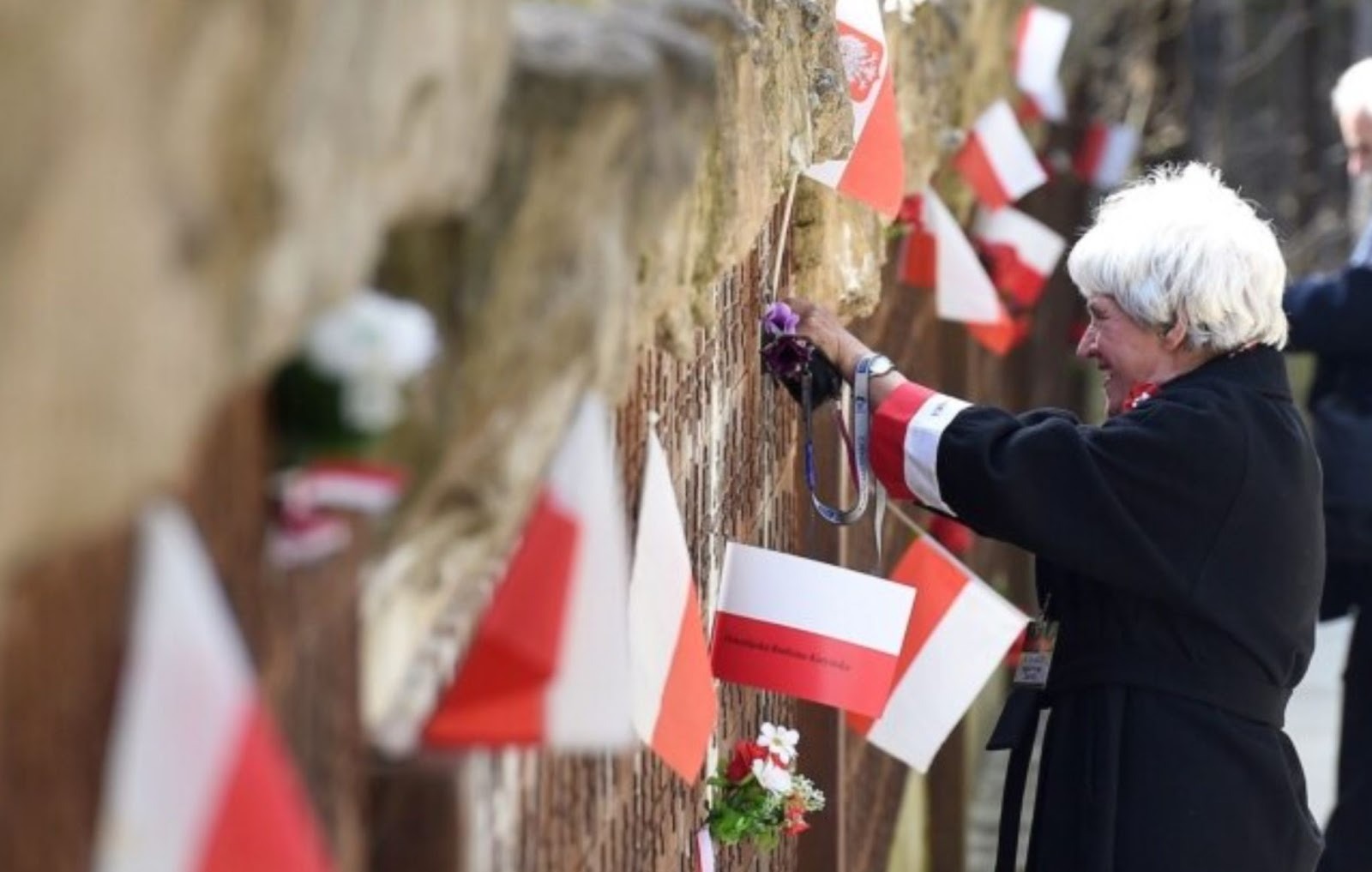
As for post-production work, including editing, it was carried out at Twickenham Film Studios. It was an honour and a pleasure for the crew of The Last Witness to work at a company with such a rich history in film production, which has also been involved in the production of some well-known contemporary films.
Actors Alex Pettyfer, Talulah Riley, Michael Gambon and Robert Wyzke also worked on the film. In addition to Piotr Szkopjak, Paul Szambowski was also a screenwriter. Although the film is based on the true story of the murder of Polish prisoners, the story of the film’s main characters is a fictional reinterpretation of that bloody, tragic event, which was hidden for too long.
At that time, information about the Katyn massacre, as it later came to be known, was not disclosed by either the British or American governments due to delicate relations with the Soviet Union during and after the war. Therefore, given all the difficulties and the modest budget, the authors believe that what they have achieved is simply impressive. The entire film crew really made an incredible effort while shooting the film on the streets of old West Midlands.
Sources: