


Every major city has its own so-called ‘musical showcase’—a place where people in evening suits and dresses listen to symphonies opera arias and discuss the works of Gustav Mahler or Ludwig van Beethoven with a serious air. In Birmingham, the role of such a cultural temple has fallen to Symphony Hall—a concert hall which the city very often presents as proof that there is more here than just factories, football, and heavy metal.
It is here that classical music is performed, with world-class symphony orchestras, jazz musicians, and artists taking to the stage. After which, the local audience discusses the acoustics as if every one of them had spent their whole life working as a sound engineer. However, the history of Symphony Hall is actually far more interesting than that of a traditional ‘yet another concert hall.’ To find out how it came to be, what makes it special, and who has performed here, read more at birmingham-trend.com.
How Birmingham decided to show the capital up
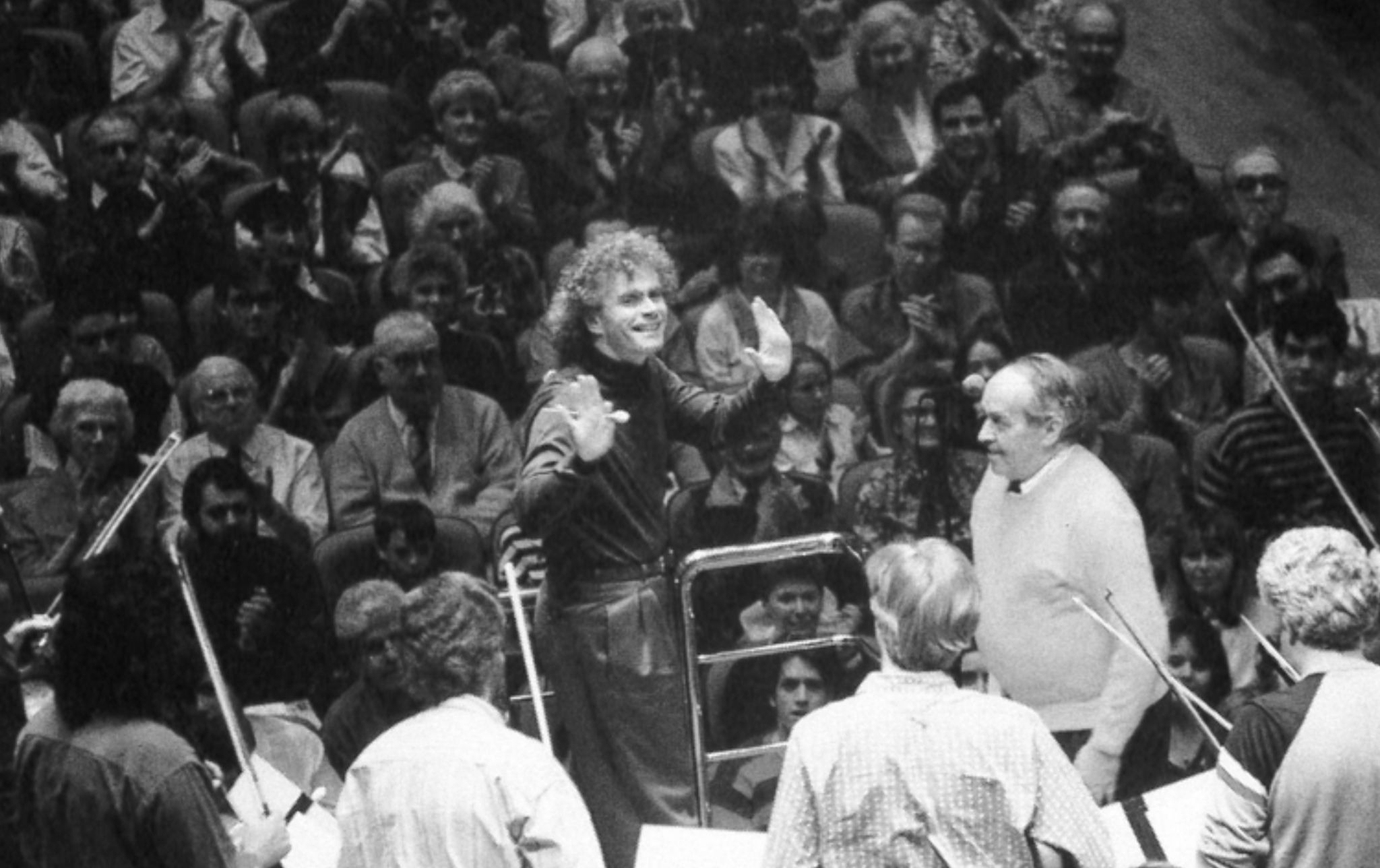
The idea of building a modern concert hall in Birmingham first emerged back in the 1980s, when the city suddenly decided that being known as the ‘home of metal’ was all well and good. However, it would be nice to listen to Beethoven now and then. Especially following the success of the City of Birmingham Symphony Orchestra and the popularity of conductor Simon Rattle, who effectively turned the local orchestra into an international star. The old concert halls were no longer sufficient for such ambitions, so the city decided to build something substantial—with proper acoustics, large foyers, and the atmosphere of a cultural capital, rather than merely an industrial centre.
The project was designed by the architectural firms Percy Thomas Partnership and Renton Howard Wood Levin, and Symphony Hall itself became part of the large ICC complex. And here, it must be said, Birmingham was luckier than with Birmingham Town Hall, during the construction of which the project’s designers went bankrupt before the work was even completed. In the case of Symphony Hall, there were no such dramatic twists: construction was long, expensive, and highly technical. Due to the railway line running directly beneath the building, the hall was even mounted on special rubber supports to prevent the trains from spoiling the symphony with their ‘solo’.
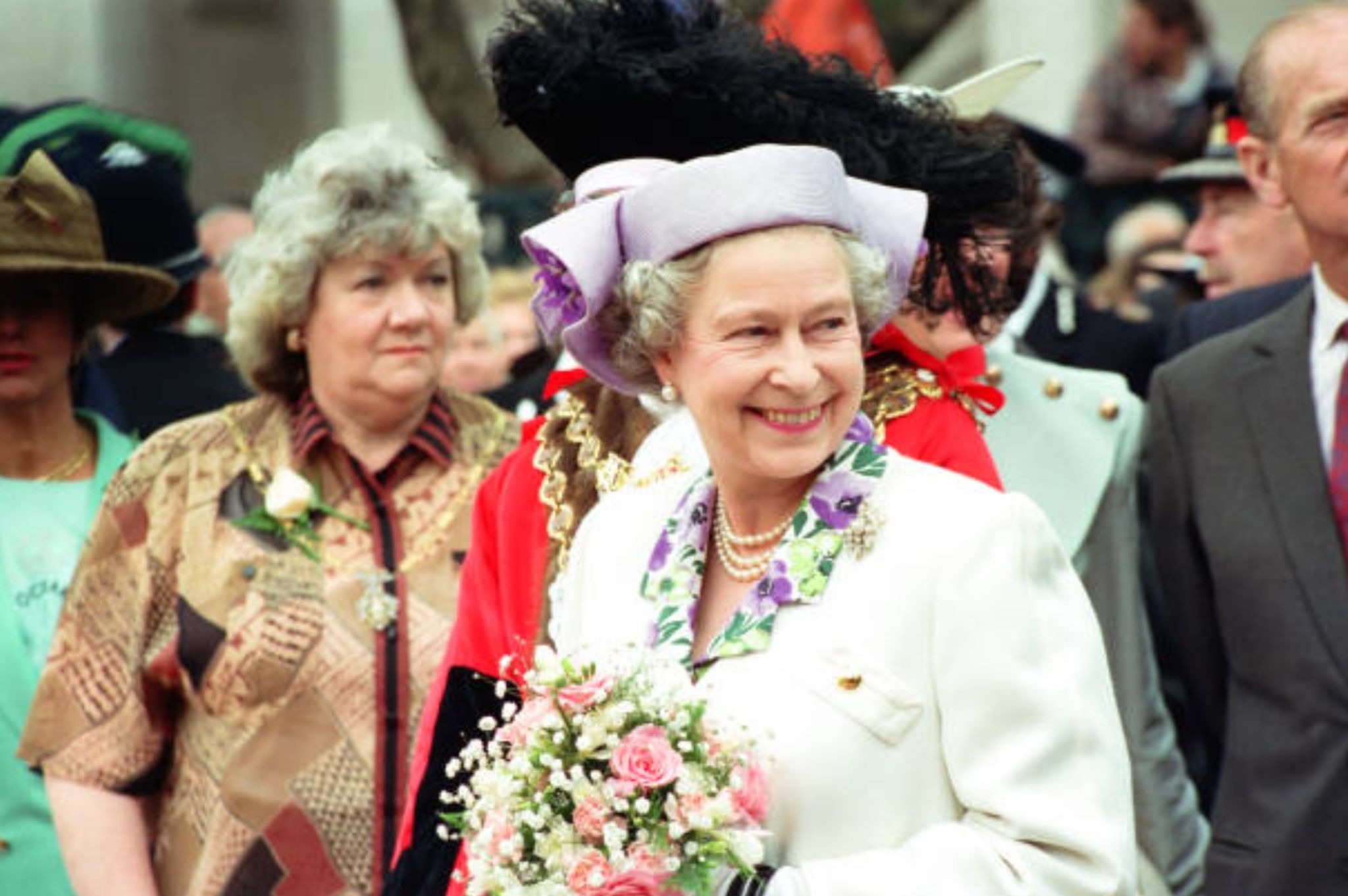
The official opening took place in 1991, complete with the full British ceremonial trimmings: ribbons, television cameras, officials, and Queen Elizabeth II, who personally opened the complex. The main musical event was a gala concert by the CBSO orchestra conducted by Simon Rattle—to make it immediately clear: Birmingham is now playing in the top cultural league.
Its main selling point is its sound quality
Following the opening of Symphony Hall, Birmingham began to behave like a city that had finally gained a cultural trump card in its rivalry with London and Manchester. And it was an expensive trump card, acoustically perfected, with a host of distinguished figures in the foyer. The City of Birmingham Symphony Orchestra became the hall’s principal ‘residents,’ having enjoyed its golden age in the 1990s under the baton of Simon Rattle. By that point, the CBSO had long since ceased to be merely a ‘good regional orchestra’ and had become an ensemble of international standing, whilst Symphony Hall became for it roughly what a good stadium is to a football club: a status symbol.
Rattle himself effectively became one of Birmingham’s leading cultural figures of the late 20th century. His concerts at Symphony Hall were regularly sold out, and the British press reported that a city long associated with factories, steelworks, and heavy rock had suddenly become one of the country’s centres for classical music. This seemed particularly ironic given that, just a few kilometres from the hall, tourists were still being sold Black Sabbath souvenirs.
However, it very quickly became clear that Symphony Hall did not want to be ‘a temple solely for classical music.’ The acoustics proved to be so good that jazz musicians, vocalists, and even performers usually associated with completely different venues began to be actively invited to perform here. Wynton Marsalis—one of the most famous jazz musicians of our time—performed here, with local critics describing his concerts as ‘almost an audiophile experience.’ Tony Bennett also appeared, whose classic American vocals sounded so clear in the hall with its perfect acoustics, that part of the audience seemed afraid to even move during the performance.
Among other celebrities, Andrea Bocelli, Diana Krall, and Sting have performed here. The latter, in particular, provided a fine example of how Symphony Hall gradually learned to combine its academic reputation with popular music for an audience that loves jazz, rock and symphonic arrangements in equal measure. By the 2010s, the concerts of Joe Hisaishi—composer of the music for Studio Ghibli films—had become a phenomenon in their own right. These concerts drew crowds to Symphony Hall who were unlikely to listen to Mahler on a regular basis, but who knew ‘My Neighbour Totoro’ inside out. And this, perhaps, best explains the hall’s evolution: from an elitist symbol of cultural ambition to a place where classical music no longer seemed something ‘only for the select few.’
The acoustics of Symphony Hall remain a legend in their own right. Local music lovers talk about them with the same seriousness with which football fans discuss transfers. The hall was designed so that the sound is evenly distributed even to the furthest seats. As a result, Symphony Hall regularly features in rankings of the world’s best concert halls, and musicians often say that here ‘every detail can be heard.’ Admittedly, there is a side effect: a cough at the wrong moment in such a hall automatically turns a person into the main antagonist of the evening.
The German organ as a symbol of status
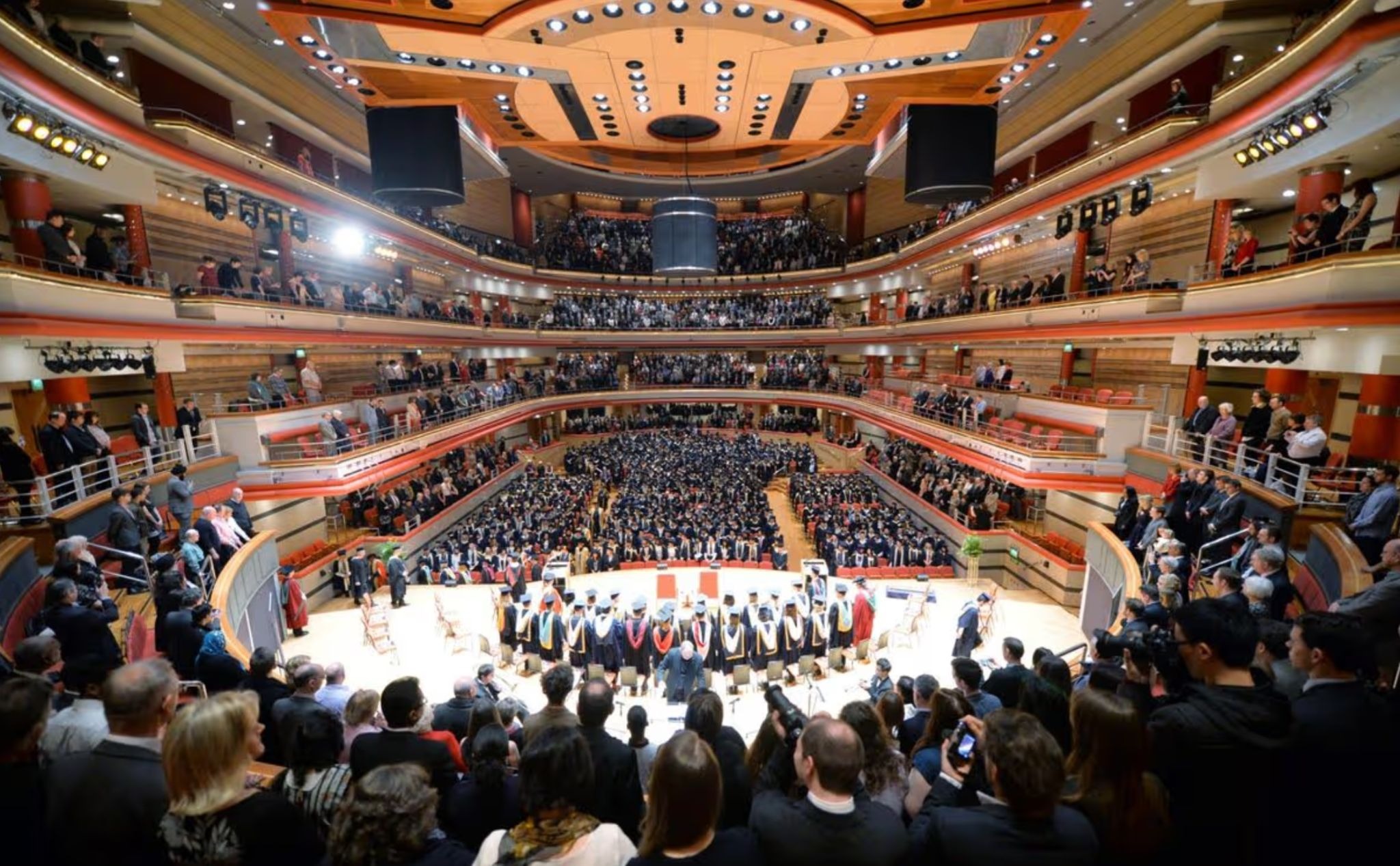
And there’s one more detail about Symphony Hall that deserves a mention of its own: the organ. Because when Birmingham decided to build a world-class concert hall, nobody was going to settle for just ‘good acoustics.’ The city wanted to have an instrument that would impress even those with little interest in classical music. And, it must be said, the plan worked.
The organ for Symphony Hall was built by the renowned German company Johannes Klais Orgelbau of Bonn—a firm that has been crafting organs since the 19th century and has long enjoyed a reputation as one of Europe’s most respected manufacturers. The instrument was designed specifically to suit the hall’s acoustics, and its construction and installation took several years. The result is that Birmingham has acquired a veritable giant: nearly six thousand pipes, four keyboards, weighing dozens of tonnes, and a structure that had to be literally integrated into the stage of Symphony Hall.
What’s more, the organ was installed after the hall had already opened, and for the city, this was a major cultural event. In Britain, concert organs are traditionally seen almost as a symbol of a music venue’s status, so Birmingham has effectively declared, We now have not only factories, football, and the legacy of Black Sabbath, but also one of the country’s most famous concert organs.
Today, the Klais Organ at Symphony Hall is regarded as one of the finest in the UK, and organ concerts here regularly draw full houses. And this is perhaps one of the best illustrations of modern Birmingham: a city that has learned to take equal pride in heavy metal and in music composed several centuries ago.
If Symphony Hall hadn’t been built, it would have had to be invented
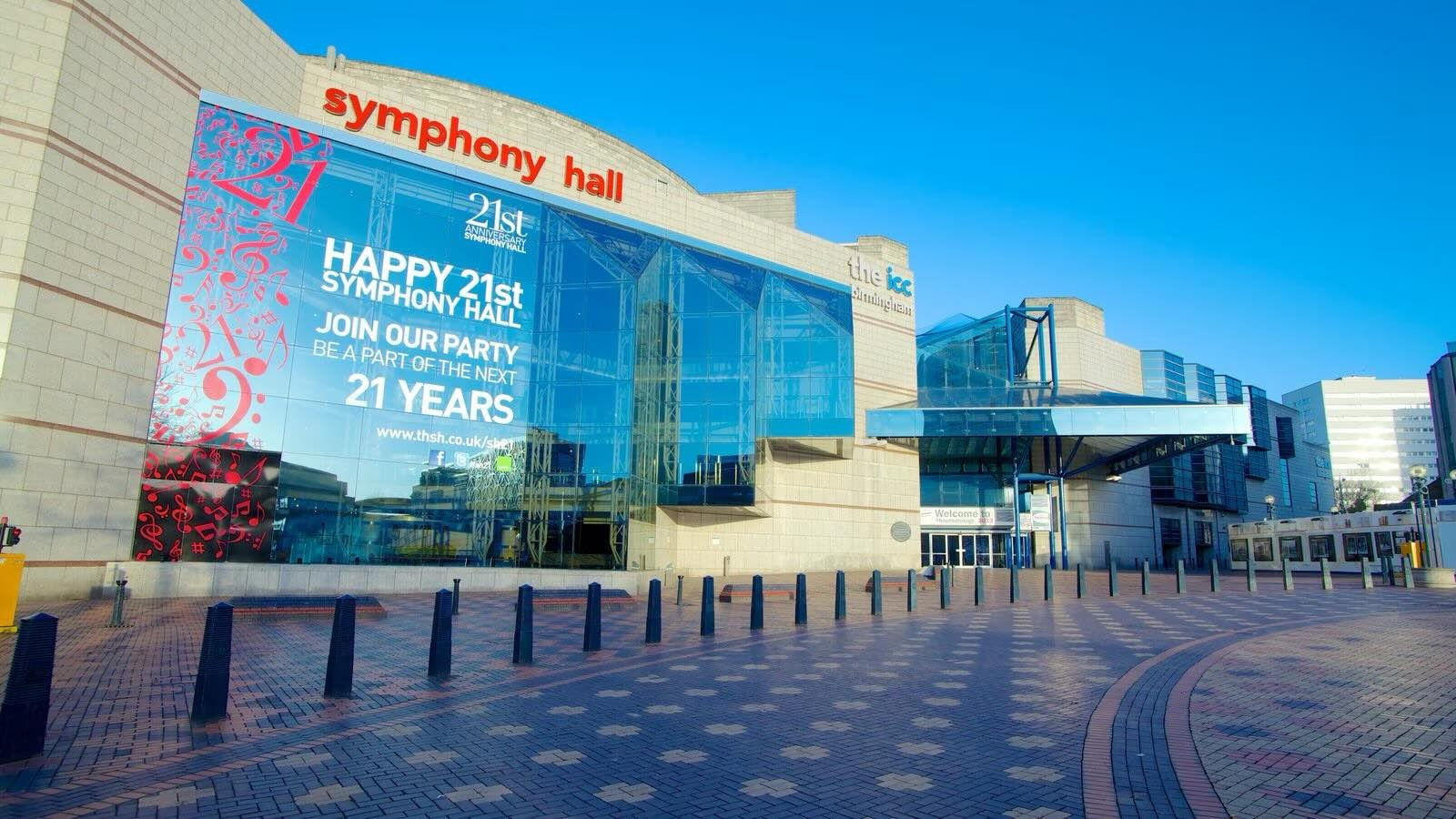
Ultimately, the history of Symphony Hall proves that if this venue hadn’t been built in the 1990s, Birmingham would have had to invent it anyway. Starting out as an elitist and expensive status symbol, the venue has managed to become the beating heart of the city. A place where the industrial past, a majestic German organ, jazz, rock, and Studio Ghibli soundtracks have finally found their perfect shared home.
Sources: