


Birmingham has long been a vibrant theatre centre, a leader in the performing arts with a wealth of experience. This colourful history goes back many centuries. It has ranged from grand historic theatres to modern performance venues. Overall, the local theatre scene has played a significant role in shaping the cultural life of the UK. Read more about the evolution of the Birmingham theatre scene and its iconic productions, as well as its adaptation to the trends of the 21st century, on birmingham-trend.com.
The main milestones of the Birmingham theatre scene
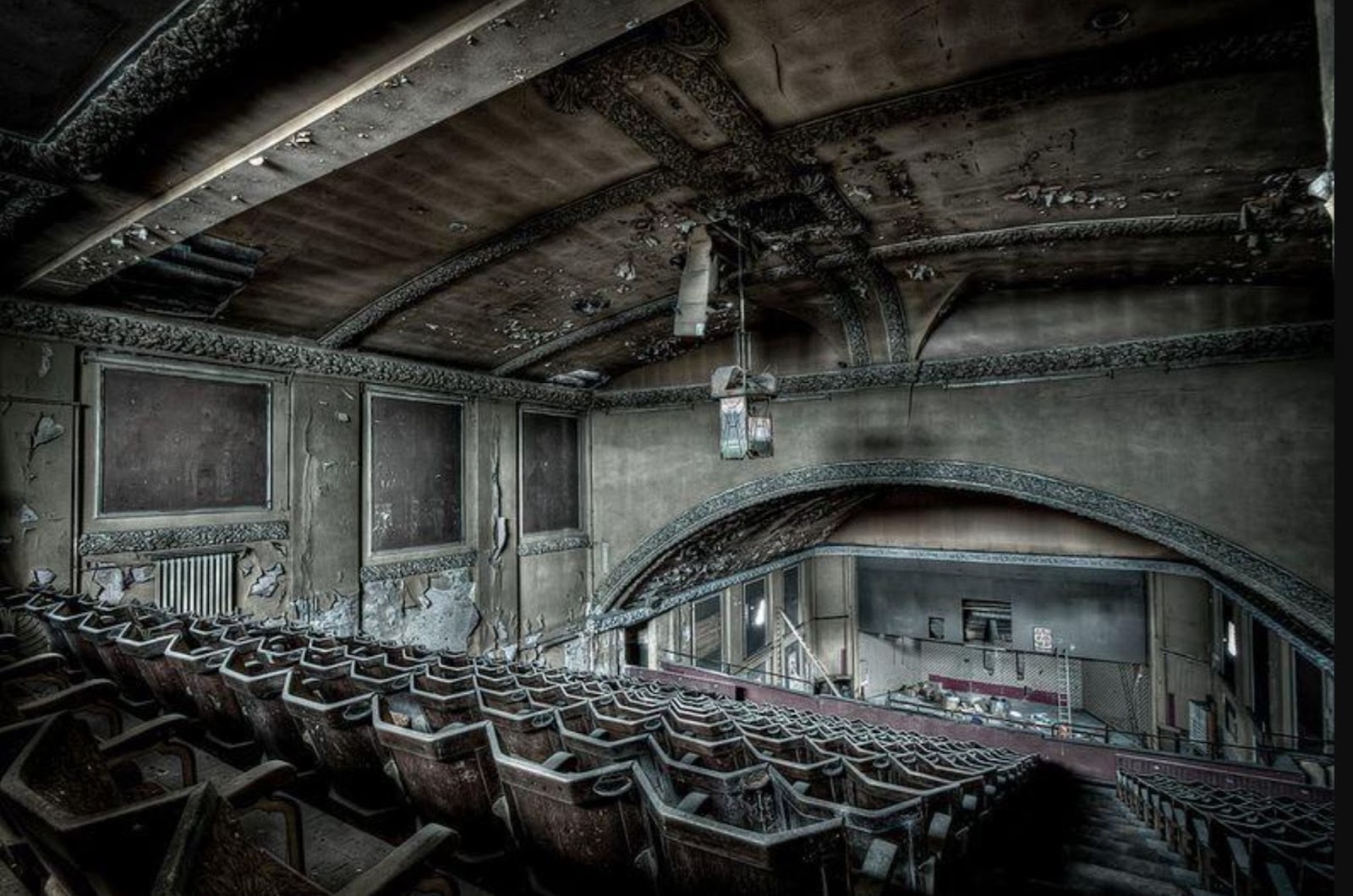
Theatre in Birmingham has evolved over centuries, reflecting the various cultural changes in society. The earliest recorded theatre performances in the city date back to the 18th century, when improvised spaces were used for premieres and plays. The repertoire was mainly focused on the works of William Shakespeare, which was the favourite of the local audience. Although there had been theatrical buildings before, it is from this point onwards that we can speak of the massive growth of theatre in the city.
Thus, by the twentieth century, Birmingham had already secured its status as a theatre centre. It gave birth to such now world-famous venues as the Birmingham Repertory Theatre, founded in 1913 by Sir Barry Jackson. Within a short time of its existence, it became one of the most influential repertory theatres in the country. It pioneered progressive approaches to theatre and provided a platform for beginners in both playwriting and acting. And this is just one example, and there were dozens of such theatres.
And now the new twenty-first century has come. Today, Birmingham’s theatre scene continues to flourish. The Midland Arts Centre and the Old Joint Acre Theatre are a striking example of adaptation to contemporary theatrical realities. They offer not only experimental and independent productions, but also marginal ones. Outrageousness is of great importance today.
In addition, the city’s diverse and inclusive theatre scene is now operating, developing, and succeeding. Moreover, it now covers everything from classical performances to avant-garde, exciting theatre productions. But at the same time, it is worth noting the remarkable growth of the city’s small, usually public theatres.
The evolution of theatre art
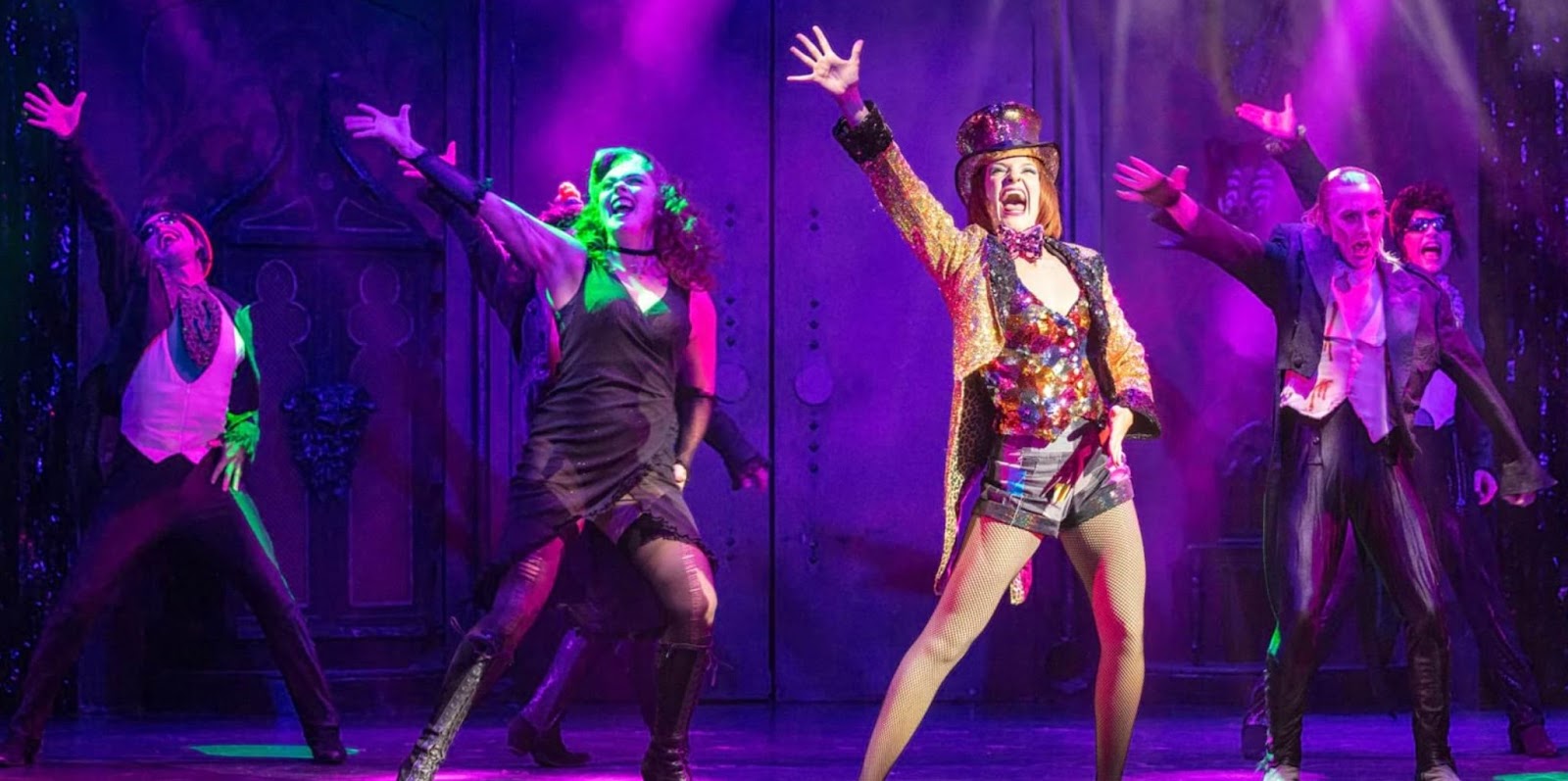
So, the 21st century has brought exciting changes to Birmingham’s theatres. Let’s try to understand in more detail what they are, and what lies behind them. To begin with, we should point out the emergence of new forms, such as immersive, stage and digital theatre. These forms not only push the boundaries, but also engage audiences in new ways. In other words, these trends reflect the modern technological and interactive world, blurring the boundaries between performers and audiences.
Theatre of the 21st century tries to solve important social problems with the help of the literal and documentary styles. It turns out that there is a similar style. For this purpose, real stories are used, which allows this kind of theatre to become a powerful tool for social change. Meanwhile, the developed post-dramatic approaches change traditional structures, encouraging a unique theatrical experience.
The main features of immersive theatre are considered to be that it blurs the boundaries between performers and audience. Performances often take place in unconventional spaces, such as warehouses, abandoned buildings, etc. It encourages participation and interaction with the audience. This kind of theatre is site-specific, and moreover, it can combine the unique characteristics and history of that space into a performance.
A striking example is the performance about the history of Burma, which is performed in different places around the city, usually among historical monuments or in public parks.
It was in the 21st century that the so-called verbatim and documentary theatre appeared in Birmingham. Verbatim, as it is known, uses interviews, transcripts, and documents from real life as the basis for a script, exploring contemporary social and political issues.
Accordingly, documentary theatre presents factual information and only real events, using projections and other video materials to enhance its narrative.
Birmingham’s acting tradition
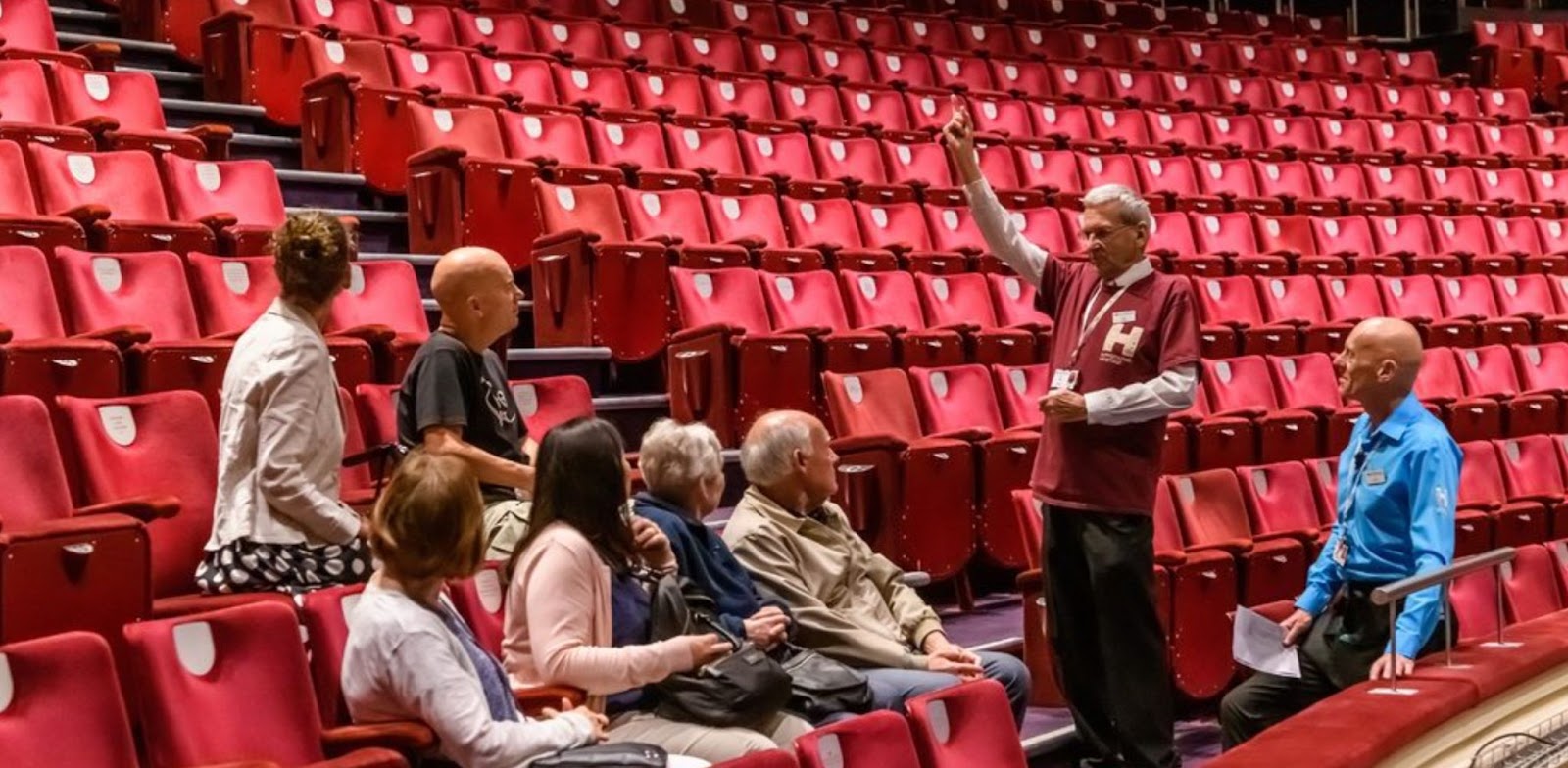
But all of these innovations would not have been possible without qualified performers. In other words, actors in the theatre of the twenty-first century must be up to the task. It should also be noted that the city has always had a wealth of talented, inspired and well-known performers who owe their education as actors, their national and international success to the Birmingham stage, where they began and developed. It is no exaggeration to say that there were many such people.
For example, one of the most famous playwrights in Birmingham is David Edgar. He wrote extensively for the Royal Shakespeare Company and the National Theatre. Among his most beloved and well-known works are The Fate and The Life and Adventures of Nicholas Nickleby. They were written in the middle and at the end of the 20th century, respectively. Nevertheless, it was works like these that helped shape modern British theatre.
When it comes to actors and actresses who have influenced Birmingham theatre and brought it to the height it is today, one of the brightest representatives of the acting profession in terms of skill is Julie Walters. The woman is one of Birmingham’s favourite actresses. She has had a stunning career in theatre, television and film, starring in both productions and the famous Harry Potter saga. And the preconditions for her success were laid in Birmingham, with her early work in the local theatre.
Another important figure in the acting community is Adrian Lester. He was not only an actor, but also a director. A native of Birmingham, Andrian’s famous theatre work includes Shakespearean roles with the Royal Shakespeare Company. Leicester played a significant role in championing diversity in the arts.
Actor’s innovations
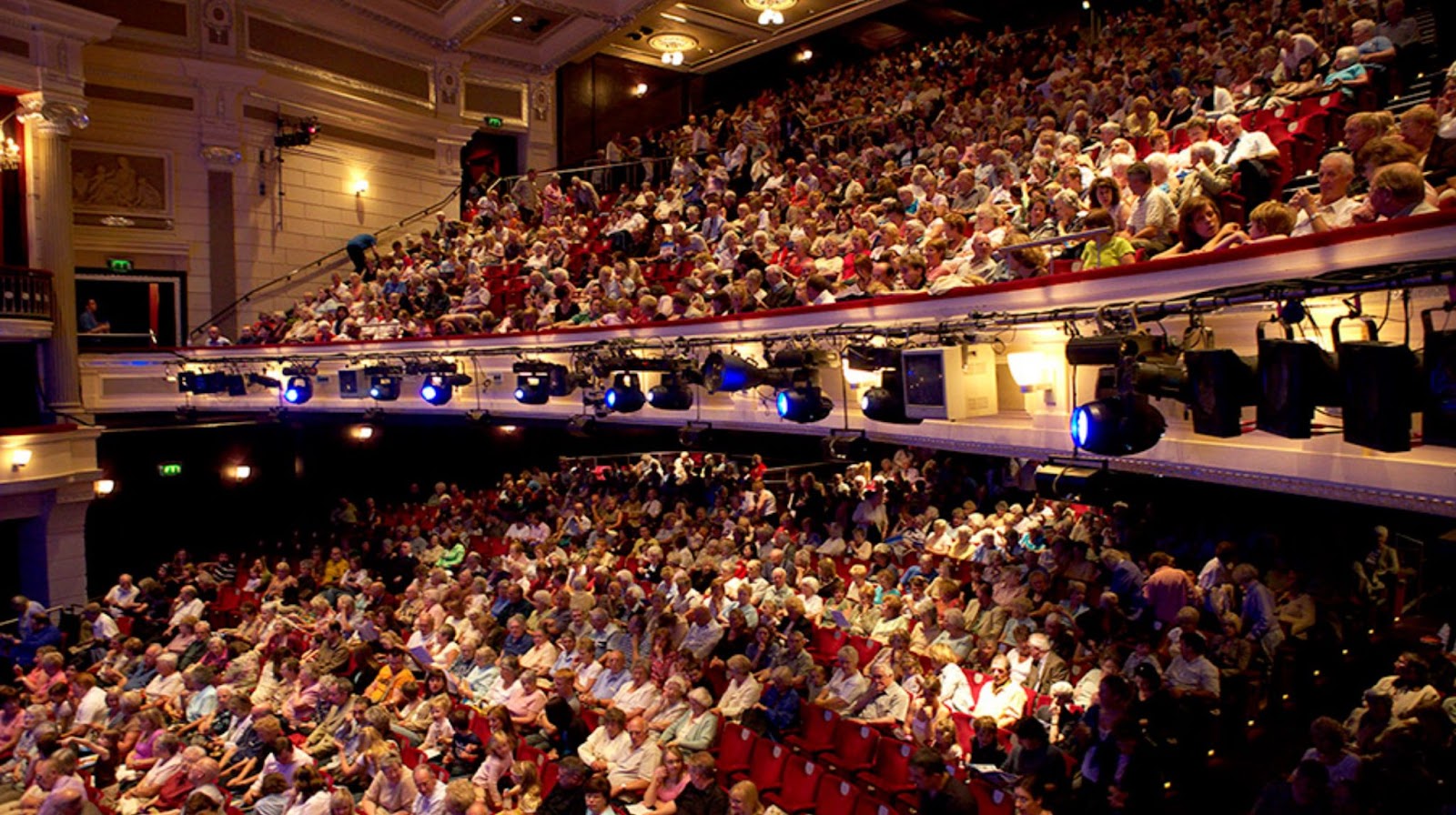
But, as we noted above, the acting industry has changed significantly in the 21st century. Moreover, it continues to change. Nowadays, everything related to acting, success and fame is no longer achieved in the classic way, when you had to get an acting degree, study, and then wait for a call from an agent. Nowadays, such a scheme is unlikely to succeed.
In today’s theatre, film and television, an actor must be skilful, adaptable, entrepreneurial, and passionate about his or her work.20 One must learn to find creative perspectives on acting. In addition, it is no longer enough to simply use the opportunities provided, nowadays, one should be able to create them for oneself.
If someone wants to form their own creative identity, explore what they have to offer as an artist, discover new passions and develop existing skills. They can do so by learning from the experience of professionals working in both film and theatre. Through regular mindfulness and mental resilience training, as well as through thorough preparation for the industry, 42 including marketing, self-taping, auditioning and presentation techniques.
Sources:
- https://theatreinbirmingham.co.uk/theatre-history-culture-in-birmingham/
- https://library.fiveable.me/history-theatre-iii-modernism-post-modernism/unit-15/impact-digital-technology-theatre-production-distribution/study-guide/VSa5J8eFWw5h0aMP
- https://performerscollege.co.uk/acting-for-the-21st-century/